A Dark History Buried Under November Smoke and Sparks
It is a curious and enduring feature of the British character that once a year, with absolute punctuality and complete disregard for the damp November chill, thousands of otherwise sensible citizens gather in rain-soaked parks to celebrate a failed act of high-consequence treason by setting fire to a wicker effigy of a man who died four centuries ago, while eating charred potatoes out of aluminium foil.
Nobody is quite sure of the finer details anymore, of course. Ask the average spectator standing near the hedge with a lukewarm paper cup of mulled wine, and they will tell you with great authority that it is all about a chap named Guy who tried to blow up Parliament. Ask them why he tried to blow up Parliament, or what he intended to put in its place, and they will look vaguely uncomfortable, hand you a sparkler, and point towards a large burst of green light in the upper atmosphere.
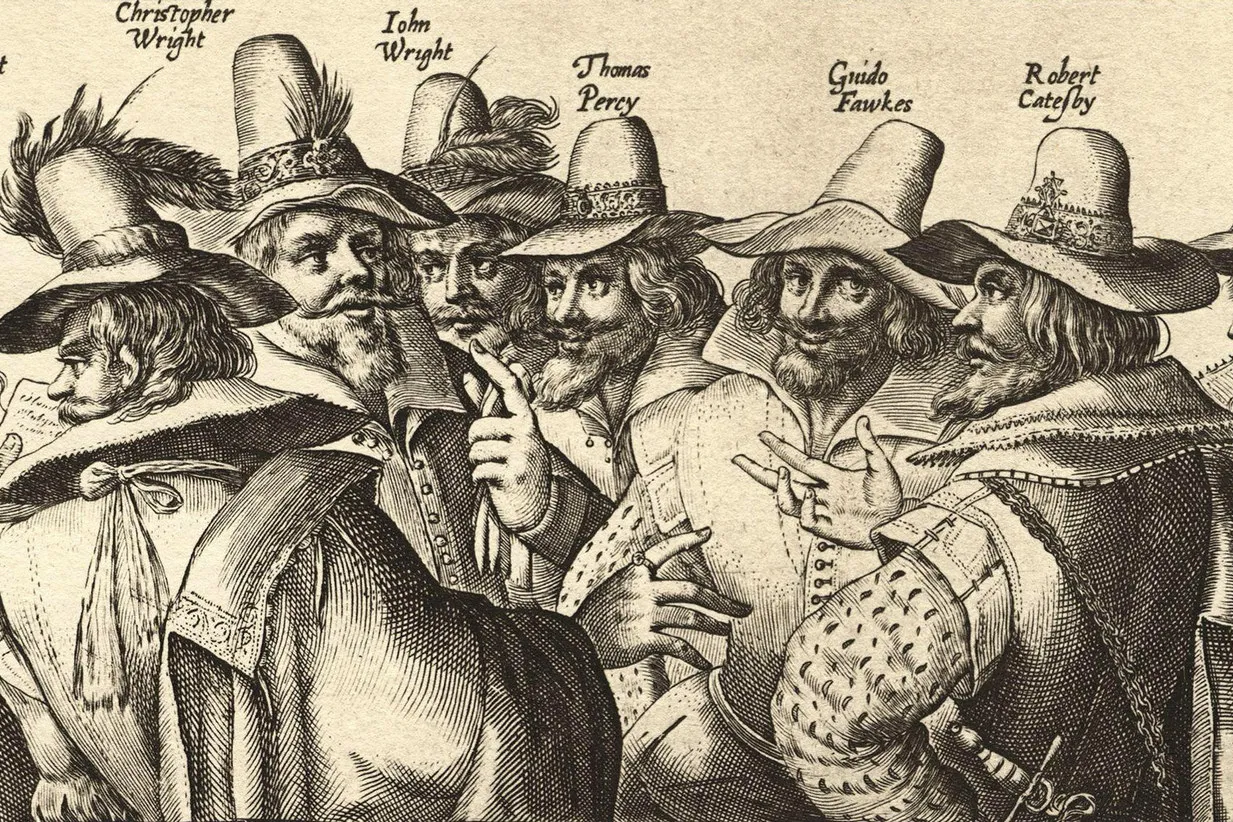
Historically speaking—the sort of history bound in heavy leather that gathers dust in quiet corners of the British Library—the business of 1605 was a thoroughly nasty affair. Born of decades of state persecution against English Catholics, the plot was hatched by thirteen conspirators seeking revenge after King James I dashed their hopes for religious tolerance and doubled down on anti-Catholic penal laws. Though the plotters acted independently, their violent bid was subsequently branded by the Crown as an act of treasonous papal aggression.
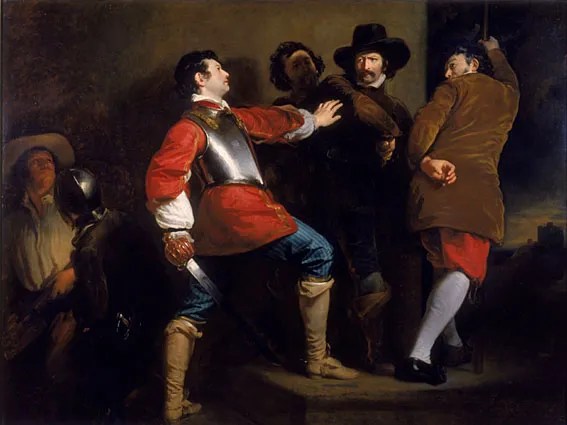
The conspirators’ strike was set for the 5th of November, timed to coincide with the State Opening of Parliament. By packing thirty-six barrels of black powder into a cellar beneath the House of Lords, their goal was complete state decapitation: to blow King James I and the Protestant ruling class to pieces, clear the throne, and install the King’s young daughter as a Catholic puppet monarch.
Had Mr Fawkes succeeded in applying his match to the touchhole, the blast would have flattened Westminster, rewritten European geopolitics, and left a crater where the British constitution was supposed to be. Instead, an anonymous letter was sent, a door was kicked in, and Fawkes was discovered lurking in the shadows beside enough explosive material to render the whole business academic. He was promptly taken away to have a very long and thoroughly unpleasant conversation with the authorities in the Tower of London.
In the immediate aftermath, Parliament—being Parliament—passed an Act of Parliament. It declared the 5th of November a mandatory public day of thanksgiving for the King’s preservation. People lit bonfires because the law told them to, and they burnt effigies of the Pope because seventeenth-century religious politics were exceedingly grim and lacked any sense of subtlety.
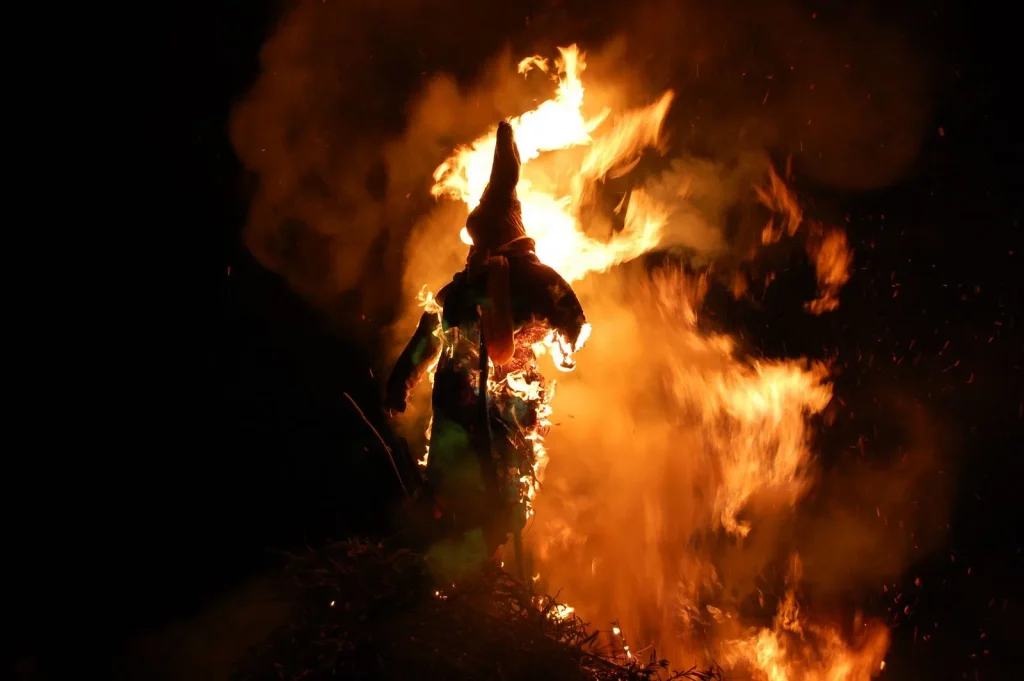
Then, as the centuries rolled by, the British did what they always do with dark, terrifying historical events: they turned it into a mild, slightly damp outdoor party.
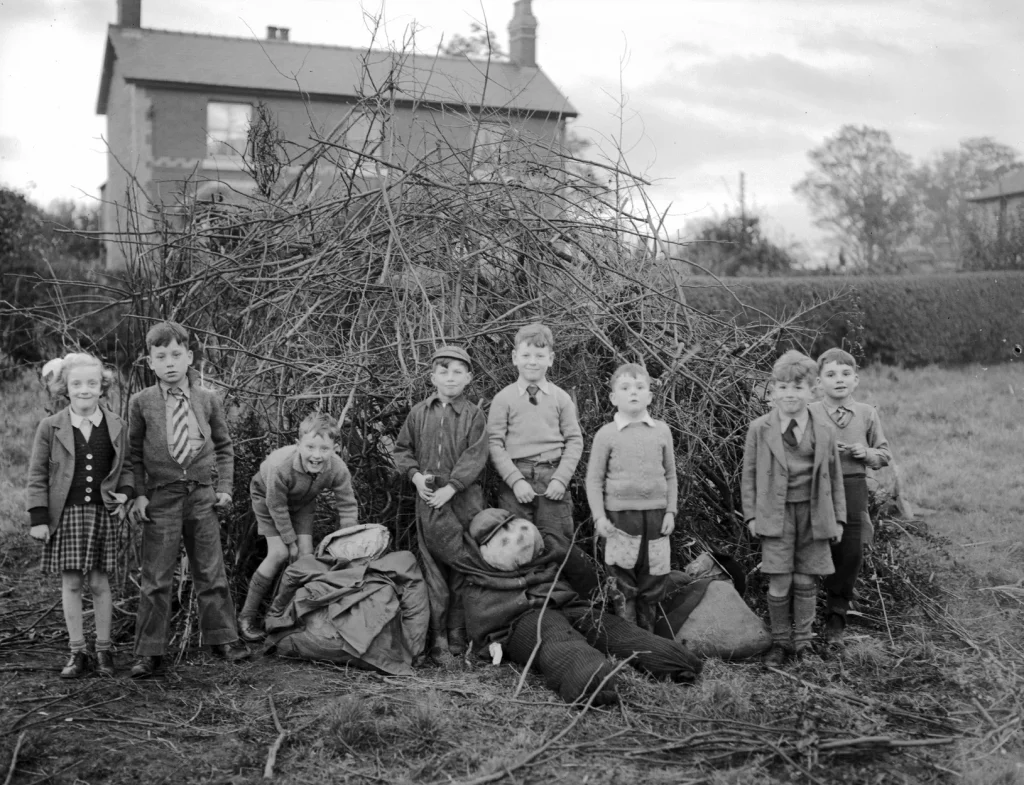
The anti-papal fervour evaporated into the autumn mist, replaced by local bonfire societies, baked beans, and children pushing old coats stuffed with straw down the high street demanding ‘a penny for the guy’. The terror of high treason was successfully converted into a commercial interest in small cardboard tubes packed with strontium nitrate and iron filings.
There is something distinctly mystical about the ritual as it stands today. The atmosphere of a proper Fawkes night is thick with the sharp, sulphuric tang of cordite, the smell of woodsmoke hanging heavy in the freezing air, and the solemn, quiet satisfaction of standing three feet away from an inferno so immense it threatens to melt your trousers.
The crowd watches the flames rise into the pitch-black night, mesmerised by the ancient magic of fire, completely oblivious to the fact that they are commemorating an attempted state decapitation. A sky-rocket shrieks into the clouds, bursts into a shimmering umbrella of violet sparks, and a thousand voices murmur ‘Ooh’ in perfect, subconscious unison.
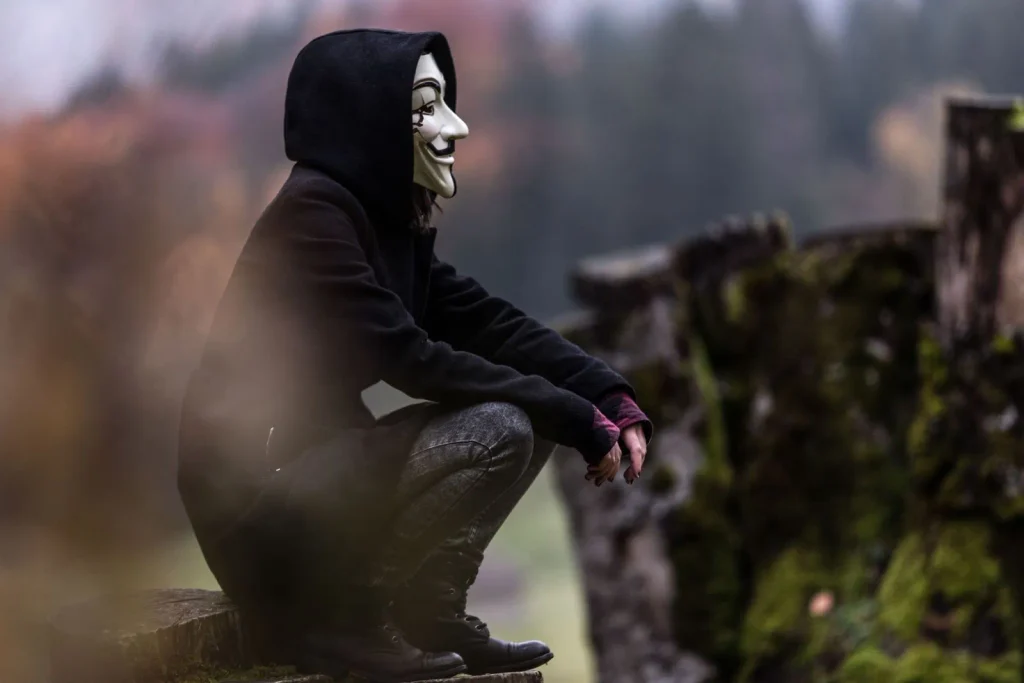
Guy Fawkes wanted to change the world with gunpowder. Instead, he got a small, sparkly rod that five-year-olds wave in circle shapes in the garden while their parents warn them not to touch the hot end. It is not quite the legacy he envisioned in that dark cellar beneath the Lords, but as far as British traditions go, it is extraordinarily hard to argue with.
After all, what is Bonfire Night now if not a grand, contradictory tapestry? It was an act of ruthless political terrorism, born of desperate bravery and fanatic devotion, wrapped up in a dark, forgotten chapter of high treason. Yet today, stripped of its blood and fury, it is simply a vibe: the scent of cordite in the freeze, the blinding roar of orange heat against a pitch-black night, and a sea of cold faces illuminated by falling embers.
Whether it is a celebration of a kingdom saved, a quiet nod to the rebel who almost pulled it off, or merely an excuse to stand near a very large fire with a lukewarm drink – only you may decide. Will you step into the autumn mist and celebrate the plot?
– Remember, remember, the 5th of November!
Text by Sofia Zemtsova
Cover picture from Wikipedia