In ancient Europe and in modern Paganism, the autumn equinox is a harvest festival, a time to look back on the year and reflect on what it has brought. For the nomadic peoples of Central Asia, however, it marked the beginning of a new stage and the start of a crucial period: the long move to winter pastures.
The modern name of this festival, Mabon, only appeared in the 20th century. It was introduced by American Pagan Aidan Kelly, who connected it to a Welsh tale from the Mabinogion. It tells the story of Mabon, son of Modron. His name comes from an ancient Celtic word meaning simply “Son of the Mother.” On the third day after his birth, the baby mysteriously disappeared from his cradle, and the world began to wither. Many centuries later, King Arthur’s knights set out to find Mabon and freed him.
This legend is very similar to the famous Greek myth of Demeter and Persephone. Persephone, daughter of the goddess of the harvest, descends into the realm of Hades at the time of the autumn equinox, and winter comes to Earth. In both cultures, the descent of a divine child into the underworld is a metaphor for a seed falling into the darkness of the soil. The seed must “die” and spend the cold months underground so that it can give rise to new life in spring.
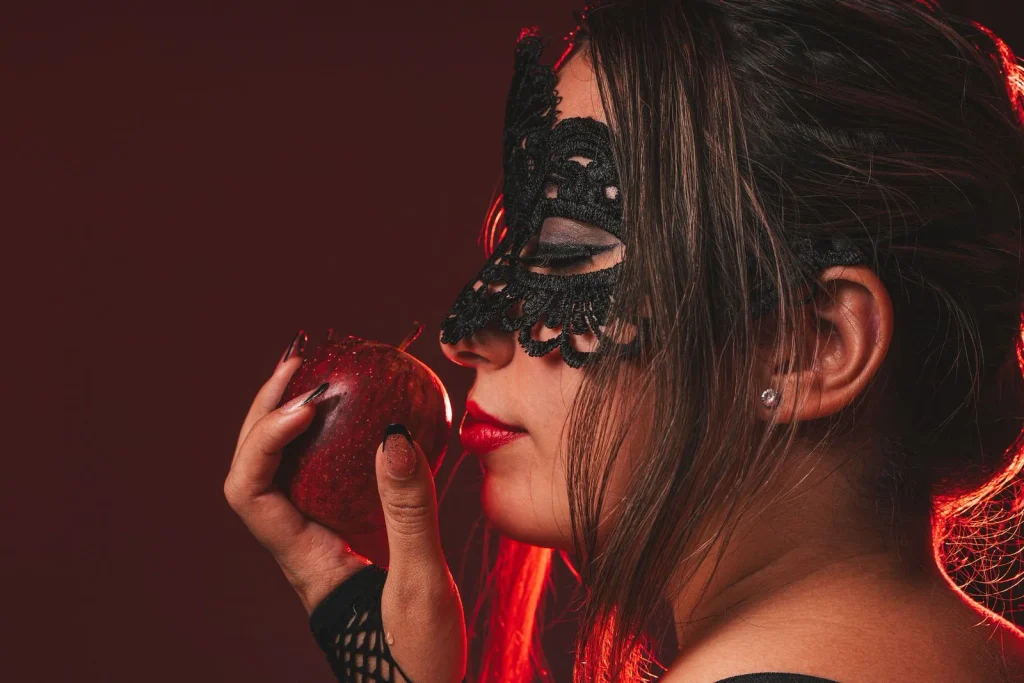
In modern tradition, the main symbol of this festival is the apple – a symbol of wisdom, immortality, and connection with the Otherworld (after all, the Celtic paradise was called Avalon, the “Isle of Apples”). Cider is made from freshly pressed apple juice, while game, root vegetable pies, and fresh bread are served.
In Neo-Paganism, Mabon is a time of quiet celebration and reflection on the year. The Sun God loses his strength and prepares to descend into the shadows, while people decorate their altars with fruit and bright scarlet leaves, giving thanks for the summer that has passed.
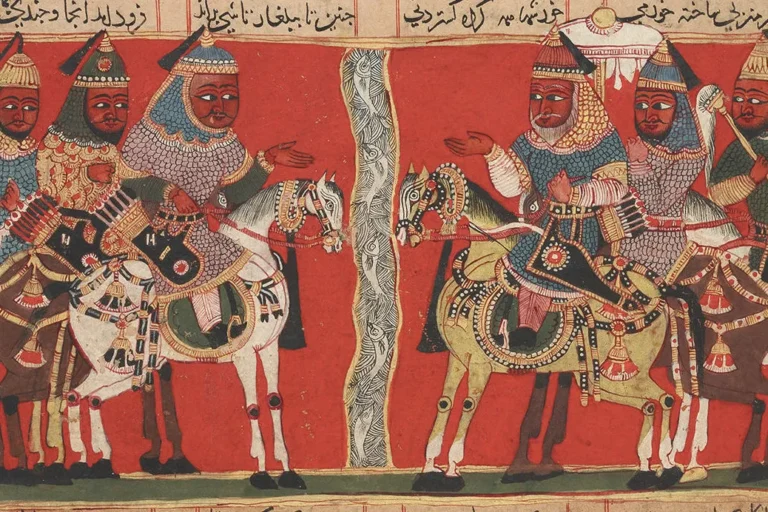
Yet in the Asian steppes and mountains, the autumn equinox has always had a different meaning. Among ancient settled civilizations, it was celebrated as the great festival of Mehrgon (Mihragan), dedicated to Mithra (Mehr), the Iranian god of sunlight, justice, and keeping promises. It was believed that on this very day, Mithra blessed the land with abundance.
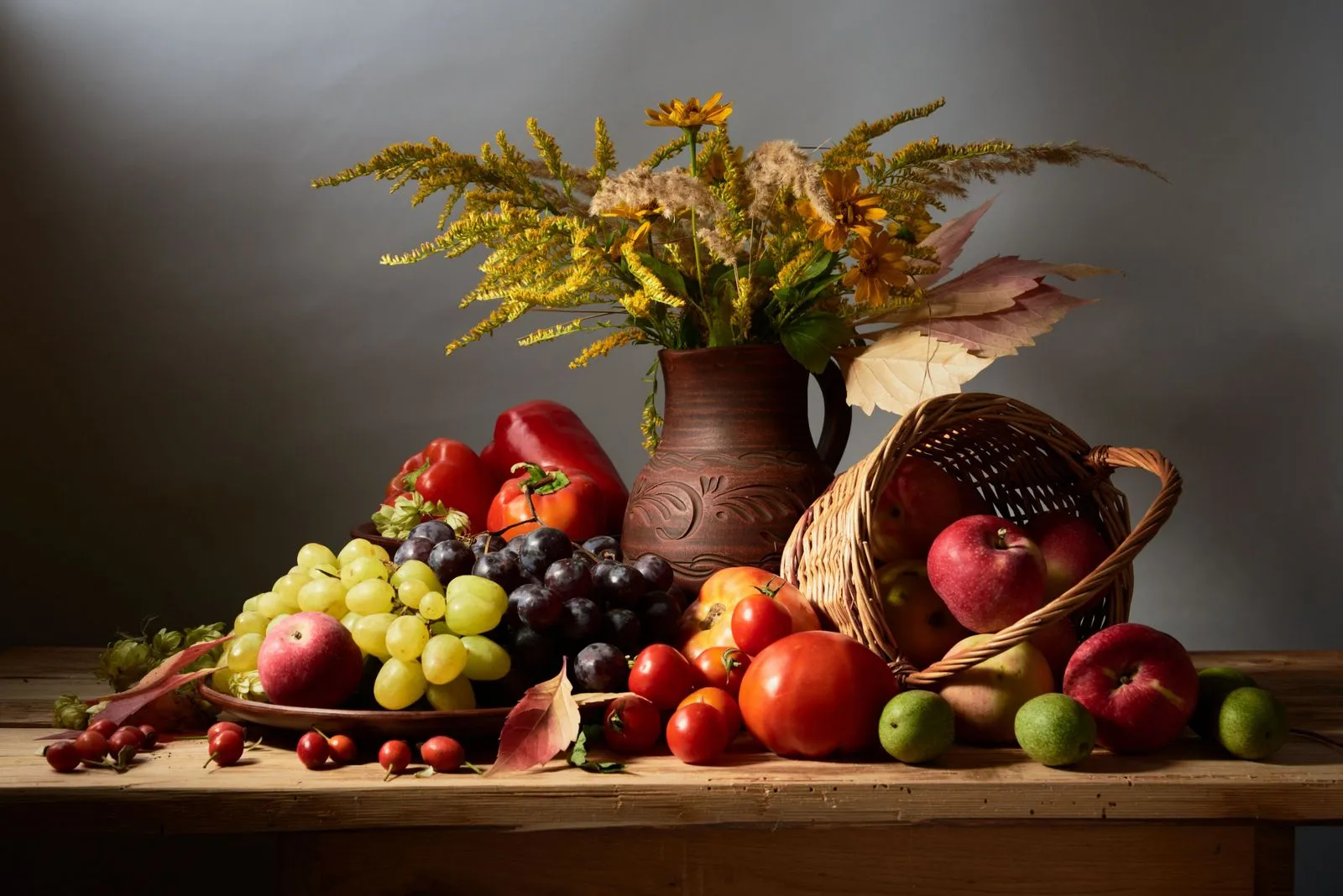
The celebration lasted for several days. In cities and royal palaces, lavish tables were set with pomegranates, quinces, apples, and grapes from the new harvest, sacred wild rue seeds, special bread made from seven different grains, and the first wine of the new harvest.
In shamanic traditions, the autumn equinox was seen as the day when the gates of the heavens closed, the good spirits of nature went to rest until spring, and the forces of cold grew stronger. Shamans held major autumn ceremonies, offering sacrifices to the Spirits of Earth and Water to protect the boundaries of their settlements from evil spirits of the underworld.
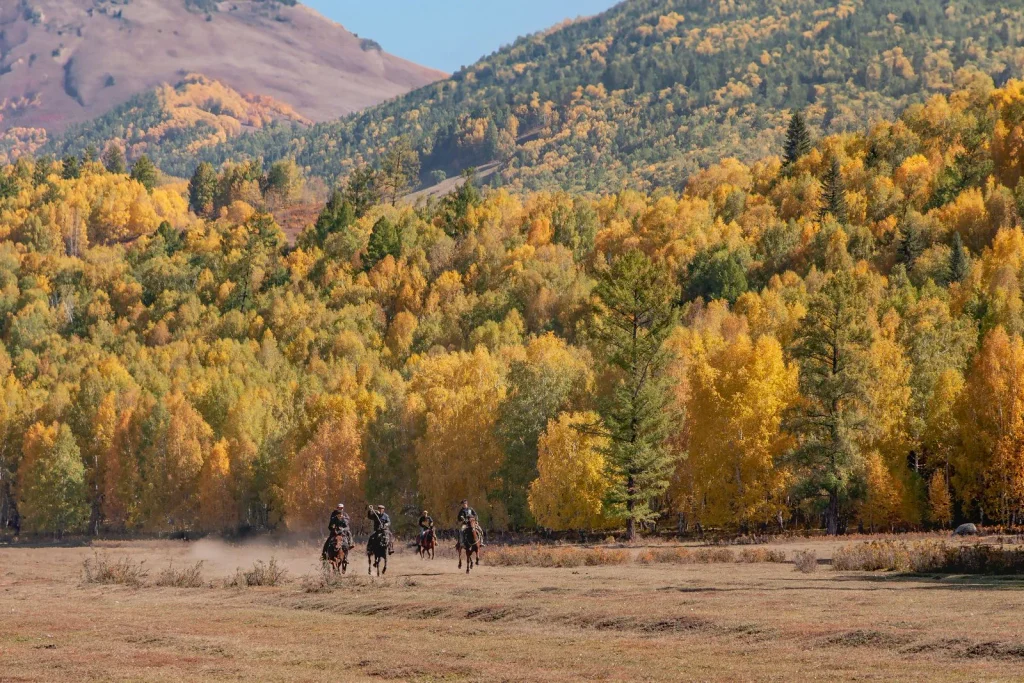
For nomadic peoples, the period of the autumn equinox marked the end of the summer cycle and the beginning of the autumn migration. Huge nomadic camps left their summer highland pastures and began preparing to move to their autumn camps, getting their livestock ready for the harsh winter. People gave thanks to Tengri (the Eternal Blue Sky) and Umay (the Mother Goddess, protector of fertility and childbirth) and held ritual feasts in their honor.
So let us rejoice in our harvest too and praise the gods for every day we have been given! May our storehouses be full, and may our homes remain cozy and warm. And may a peaceful balance reign in our hearts!
Happy Mabon!
Text by Yulia Zemtsova
Cover photo by Matvei