Lughnasadh (Lammas): One of the Most Important Festivals of the Wheel of the Year
Tonight is a magical night—one of the eight most important nights of the year. It is Lughnasadh, or Lammas, the festival of the first harvest and gratitude to the Earth.
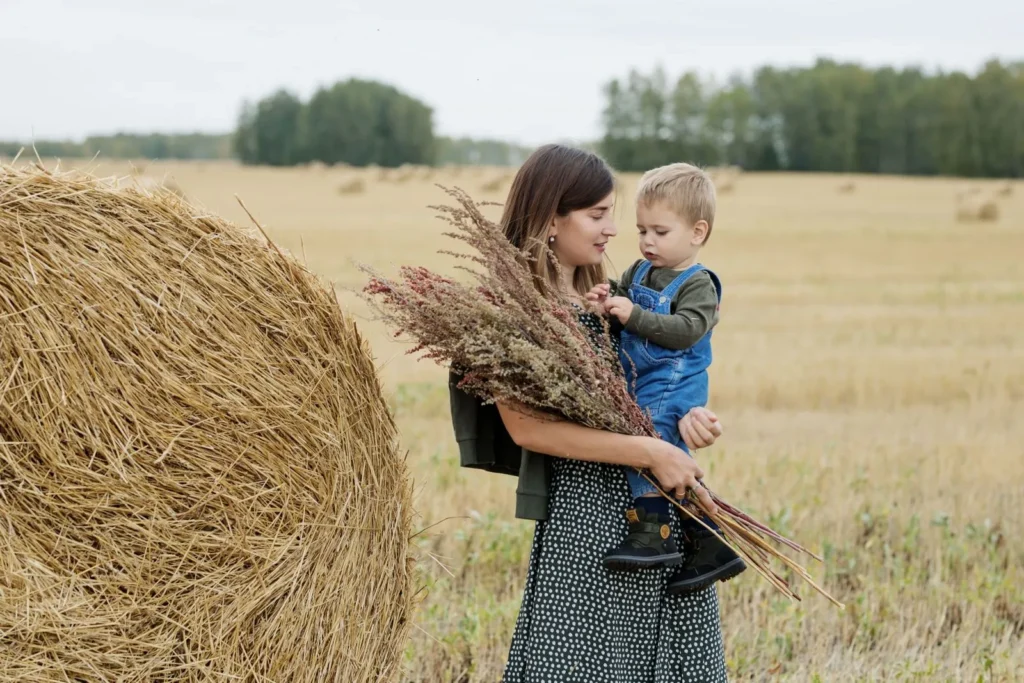
The Celtic name “Lughnasadh” is translated as “The Assembly of Lugh,” “The Games of Lugh,” or “The Wedding of Lugh.” However, the last translation is incorrect. It comes from a misunderstanding of the word’s meaning.
Lugh is one of the most important gods in the Celtic pantheon, the god of light, crafts, and the arts. One of his main epithets is “The Long Hand,” and it has nothing to do with anatomy. It is a title given to a true master whose talents extend to every sphere of human and divine activity. It is also a symbol of an undefeated warrior whose strength, skill, and influence know no limits.
According to legend, Lugh established this summer festival in honor of his foster mother, Tailtiu, the goddess of the earth and agriculture. Long ago, most of Ireland was covered with dense, impassable forests, and Tailtiu took on a monumental task. She decided to clear the great plains so the land could be used for farming. Using magic and tremendous effort, she spent a long time felling ancient trees and pulling out their stumps, turning the wild forest into fertile fields. The work was so exhausting that, once it was done, the goddess collapsed and died.
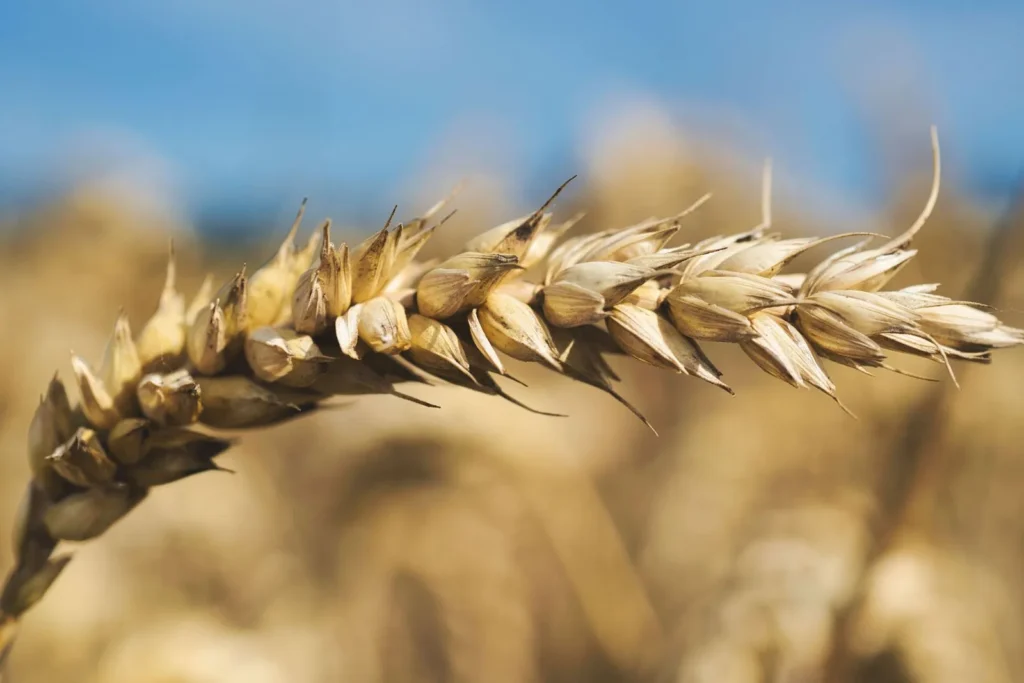
Before her death, she asked her foster son Lugh to hold memorial games and a feast on the land she had freed. Heartbroken, Lugh fulfilled her wish. He established the great Tailteann Games—athletic competitions, fairs, and public celebrations that were held every year at the very beginning of August. Although the festival was later named after Lugh, it was originally a celebration of the Great Mother Earth, who literally gave her life so that people would not die of hunger.
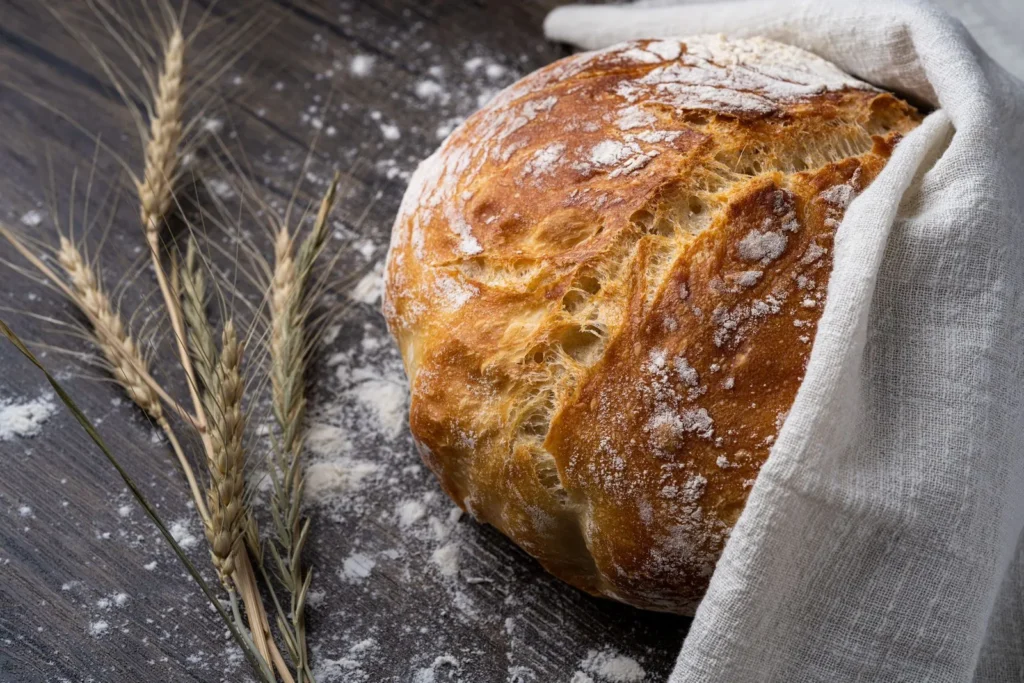
On the night of Lughnasadh, people climbed sacred hills and mountains and lit great bonfires. They also baked bread from flour freshly milled from the new harvest. Part of the bread was offered to the gods, while the rest was shared among the community. It was believed that this bread had protective magical powers and brought health and good fortune.
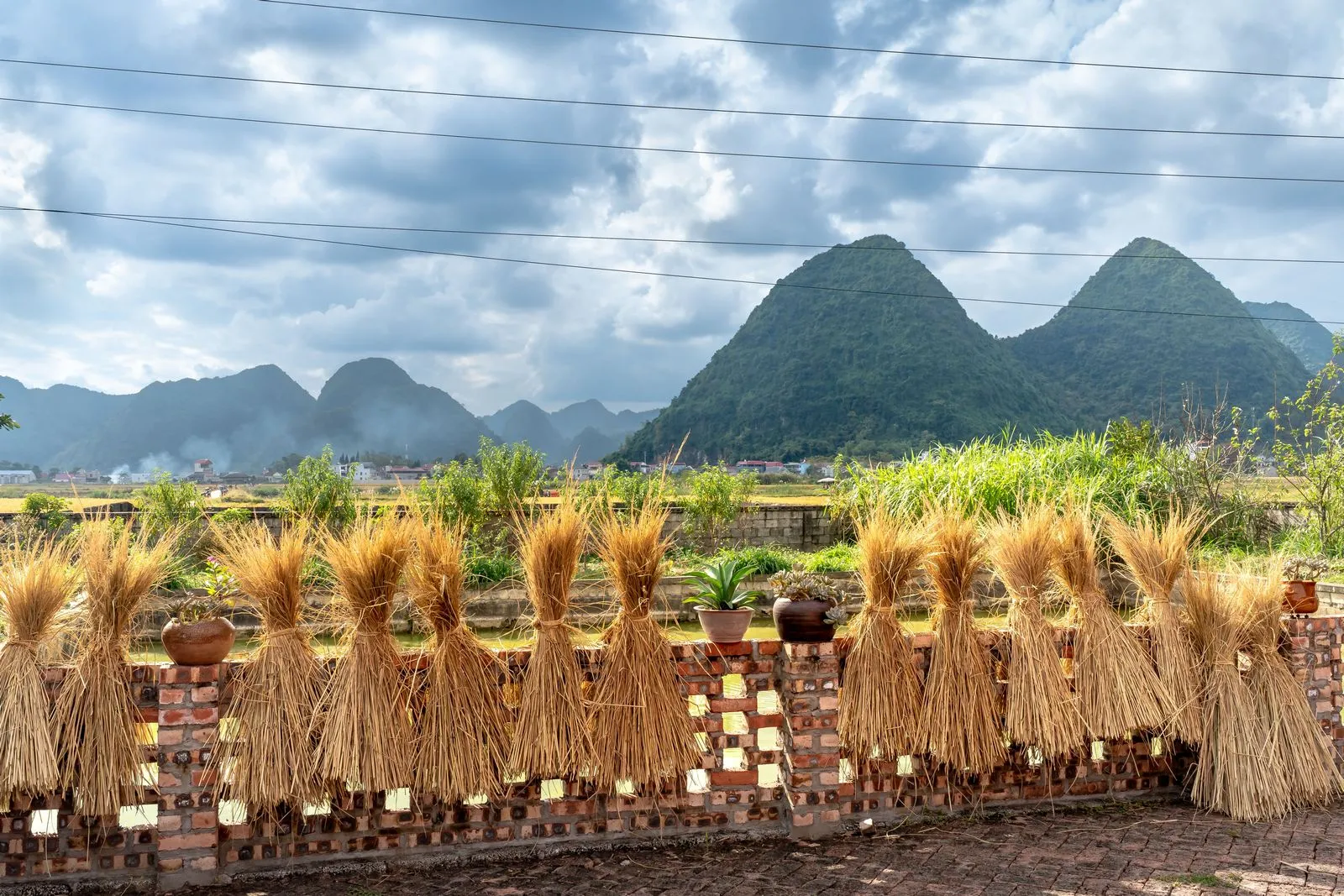
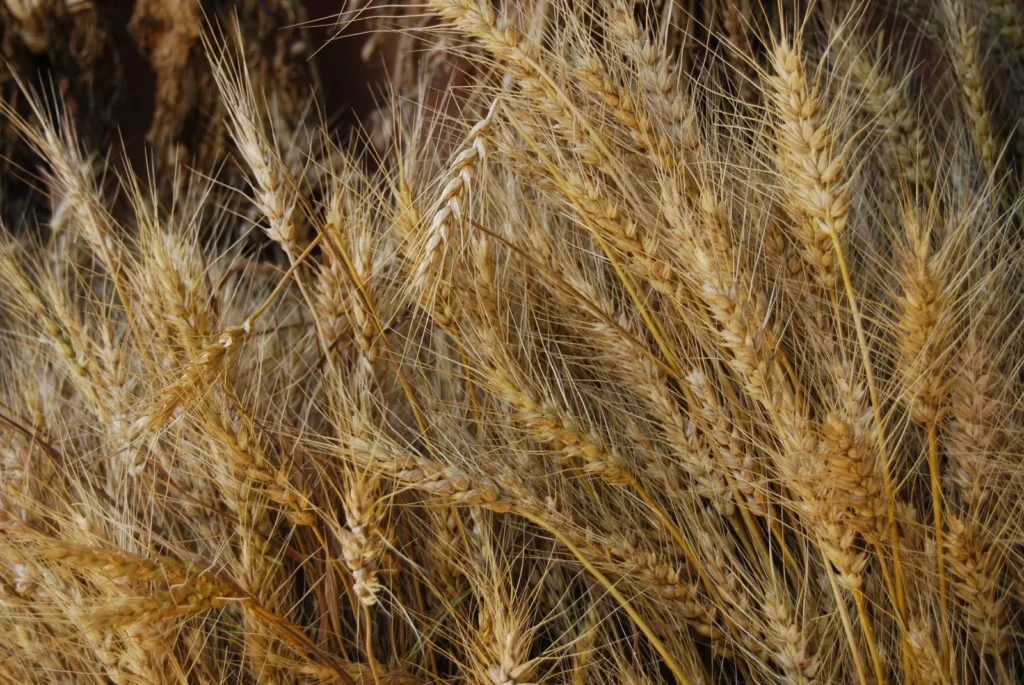
The Celts also believed that the spirit of the field lived in the last standing ears of grain. That is why the final sheaf was decorated with ribbons, woven into intricate figures shaped like dolls or animals (“mother sheaves”), and kept in the house until the following spring to ensure fertile fields in the coming year.
During the Lughnasadh celebrations, couples often entered “trial marriages” that lasted one year and one day. They could live together for that time and then either marry officially or peacefully part ways without being judged by society.

The festival’s second name, Lammas, came later, after the festival was Christianized. It comes from the Old English word “loaf-mass”. After the Anglo-Saxons adopted Christianity, the Church began reinterpreting pagan festivals, and the first harvest celebration at the beginning of August fit perfectly with the Christian blessing of the harvest. On August 1, farmers baked the first loaf from the new grain harvest and brought it to church as a thanksgiving offering to God.
On Lughnasadh, or Lammas, people wished each other abundance, protection, and the safe keeping of their harvest. Farmers blessed their communities with an easy and successful harvest and wished for full barns until the next spring, hoping that the new harvest would be plentiful and safely last through the winter.
So let us also wish one another success in our great work and abundance. May the strength and generosity of the Earth be with us. May our sickles stay sharp, and may our barns remain full throughout the year. Blessings to all!
Text by Yulia Zemtsova
Cover photo by Quang Nguyen Vinh