
A Road Trip Through Belgium — the Land of Legendary Chocolate, Shimmering Palaces, and Unsolved Mysteries
A straight highway stretches endlessly through fields of corn. There are plenty of cars, yet traffic jams are nowhere in sight. Almost every lane obediently moves at the speed limit — 120 km/h. Among hundreds of tiny European cars darting between lanes, my rented Japanese vehicle feels like a cruise ship. Its palpable power tempts me to push it to the limit. But the thought that Belgian police are among the strictest in Europe cools my enthusiasm and keeps me in line with the rules.
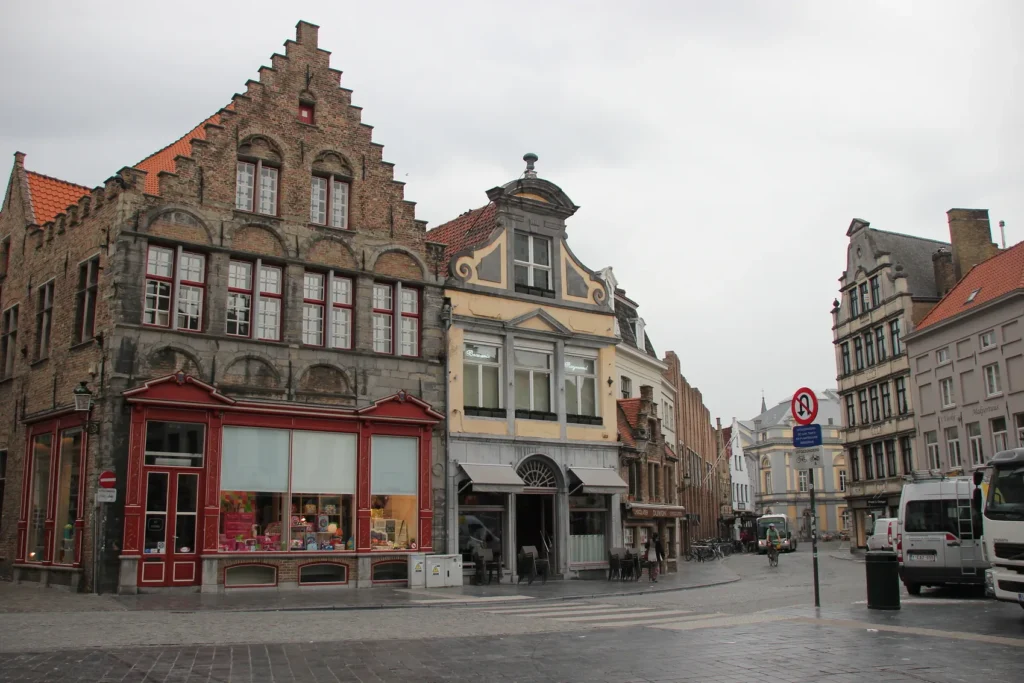
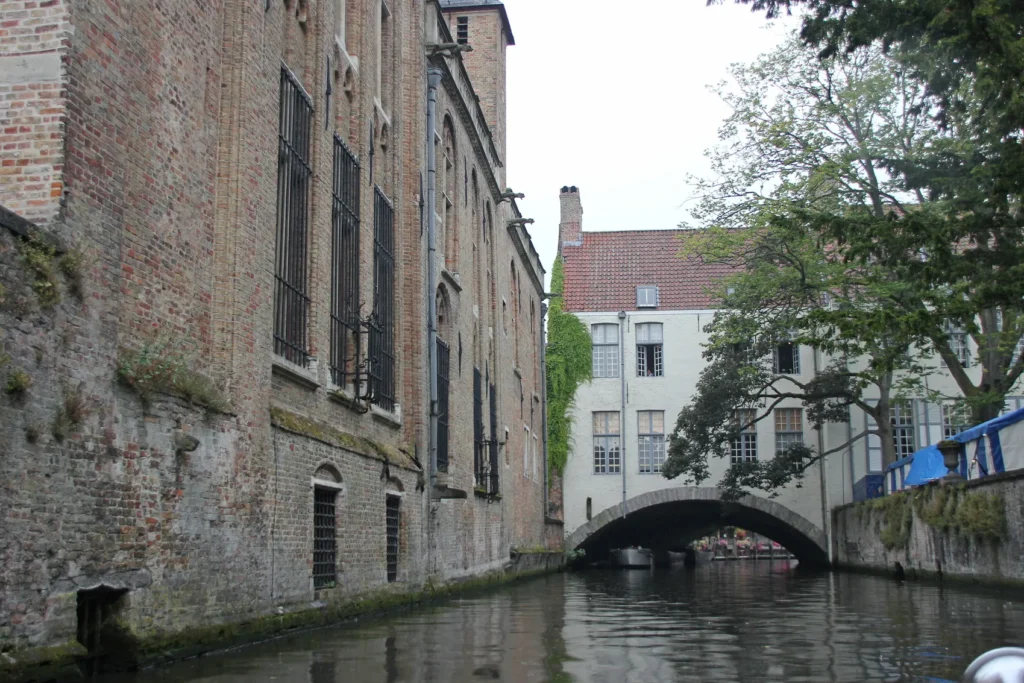
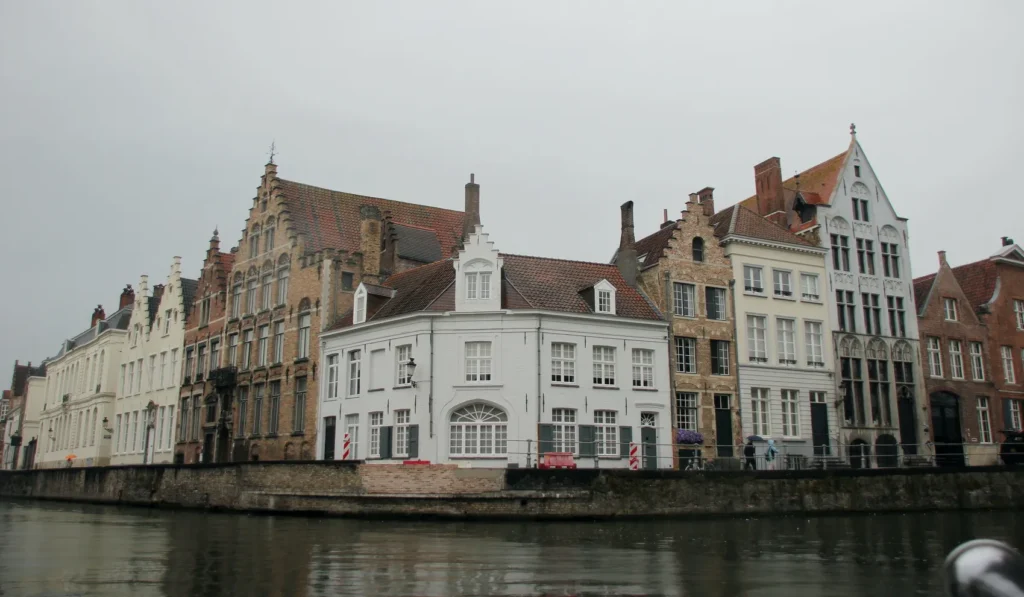
With every turn, an ancient medieval city gradually emerges from the morning mist, as if in a slow waltz. Narrow streets, rounded at their intersections, wind lazily past stone houses. The canals, disappearing beneath wide bridges, sometimes embrace entire quarters, sometimes slice them into intricate trapezoids.
As much as I love my car, I realize Bruges was made for walking. So, after parking at the hotel, I set off on foot to explore the city.
At this early hour, there are still few tourists; most of the people on the streets are locals: someone pedaling slowly on a cumbersome bicycle, another taking their time choosing fresh rolls for breakfast. Within a couple of hours, the city will fully wake up and swallow them into the endless crowd of visitors, all eager to admire its understated beauty.
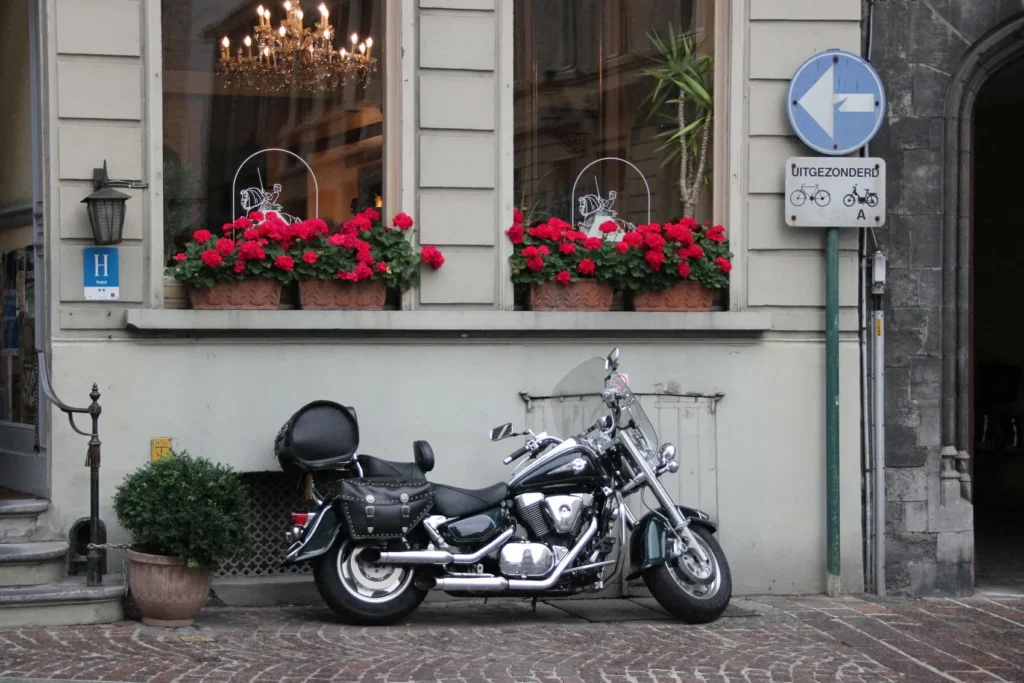
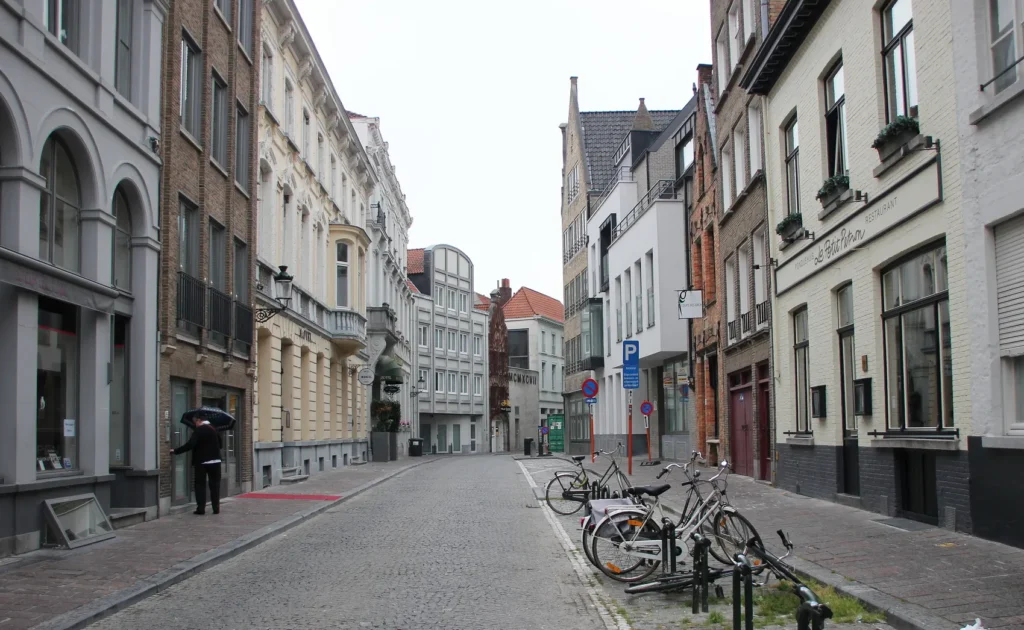
Little Bruges is often called fairy-tale-like, which is misleading: it doesn’t feel light or festive. Rather, it is quiet, slightly detached, breathtakingly beautiful, and incredibly mysterious. In the Middle Ages, it was one of Europe’s richest cities and a crucial trading port. Wool, fabrics, and spices were transported here along the waterways. Later, its harbors silted up, trade routes shifted, and the city lost its importance. That’s why it has remained largely unchanged ever since.
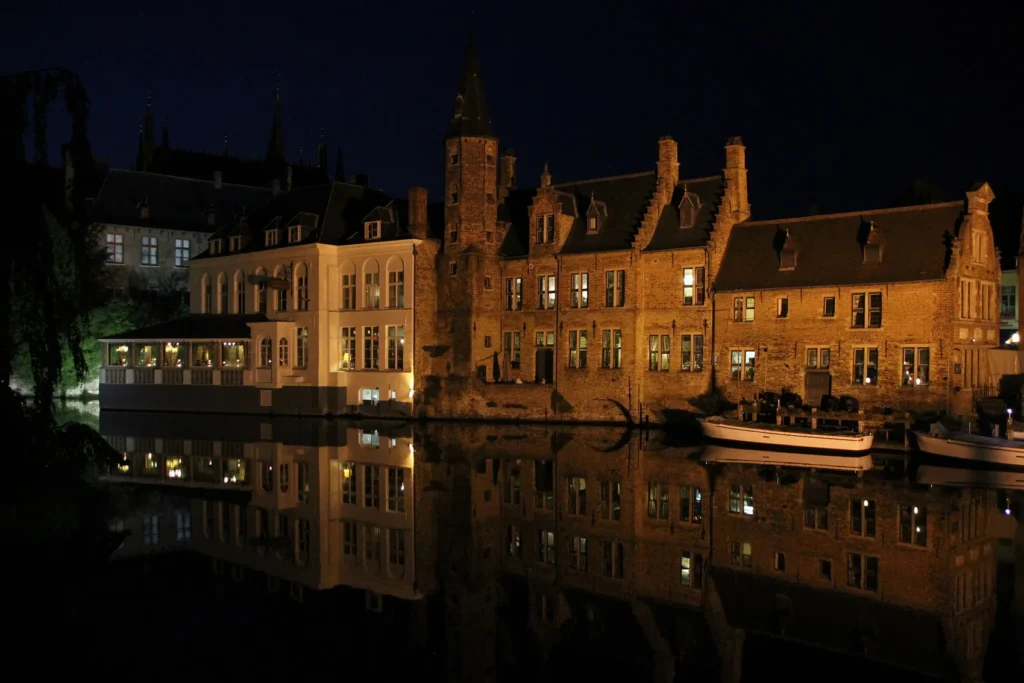
Today, Bruges feels as if time itself has slowed to a crawl. The dark canal waters mirror the city lights and building facades, and those reflections often seem more alive than the buildings themselves. Even tourists seem to lower their voices here. But rather than repel, this draws you in: the city’s impenetrable calm is its greatest allure.
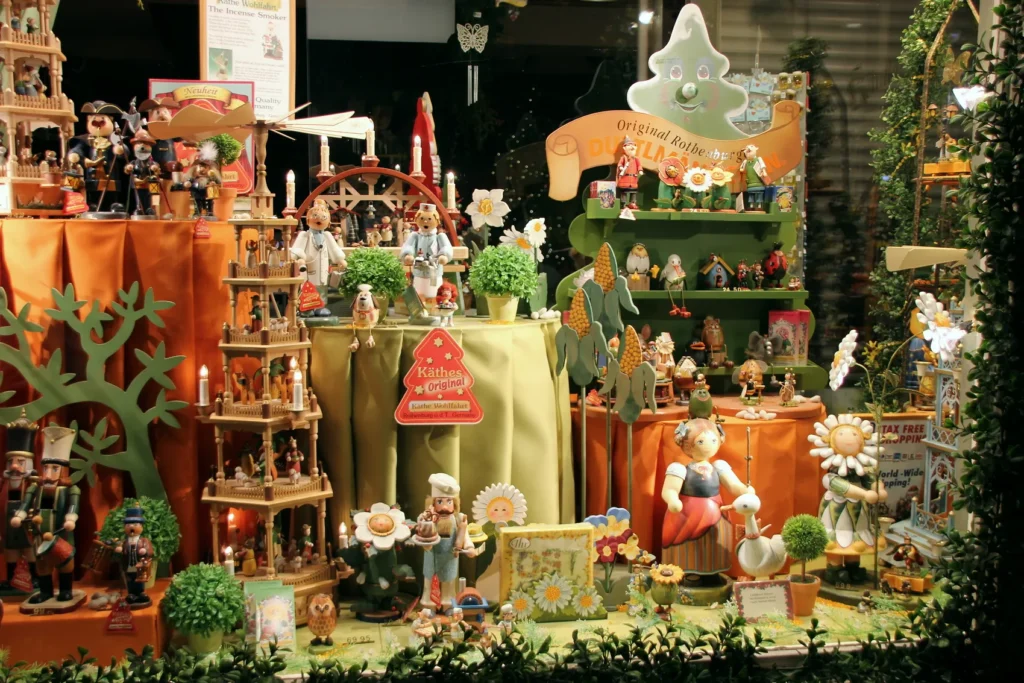
Bruges is the capital of Belgian chocolate. Confectioneries with irresistibly tempting displays line the streets, and almost every shop invites passersby to sample a new chocolate variety. Walking down just one street, you can indulge in this chocolate paradise without even buying anything.
Belgium produces roughly 700,000 tons of chocolate annually, with quality strictly regulated at the national level. As early as the late 19th century, the country established rules for cocoa content, limiting low-quality additives and fats. These standards later became the foundation for regulations that secured Belgium’s place atop the global chocolate podium.

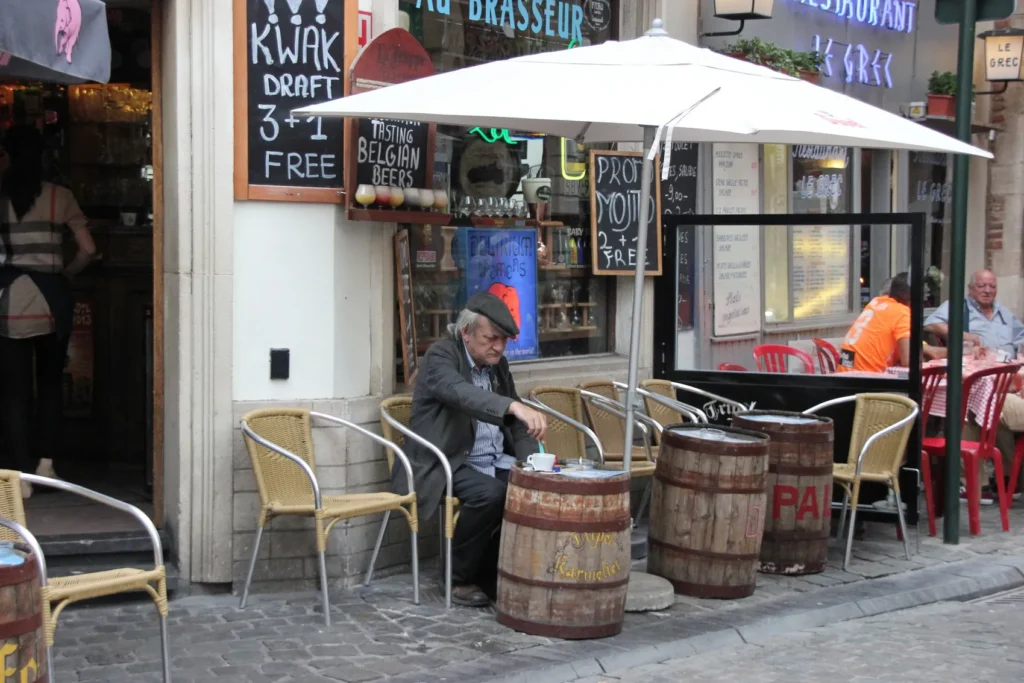
Belgium is also famous for its beer. The country’s brews are so diverse that, in 2016, UNESCO recognized Belgian beer as a part of the world’s cultural heritage. Some recipes are centuries old, originating in medieval monasteries. Today, Belgium produces more than 800 distinct types of beer. Count all the special, limited-edition, and seasonal varieties, and the total exceeds 8,000 unique labels.
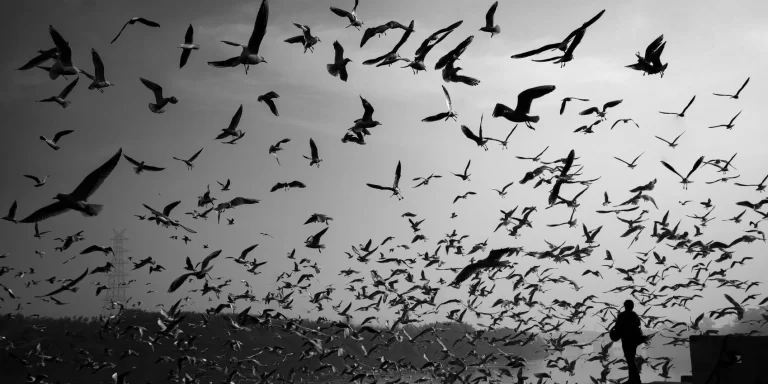
My road trip continues toward Ostend, a city on the North Sea. The swimming season is long over. A low, gray sky hangs over the waves, and a cold wind scatters seagulls across the air. Yet the water is still surprisingly warm, and I can’t resist rolling up my trousers and wading knee-deep into the frothy surf.
After Bruges, Ostend almost feels like a metropolis. Despite beautiful sandy beaches and Michelin-starred restaurants, the seaside charm is subtle. Ostend is a working port: near the beach, industrial structures, fishing boats, and concrete piers are plainly visible. The city doesn’t try to disguise its practicality.
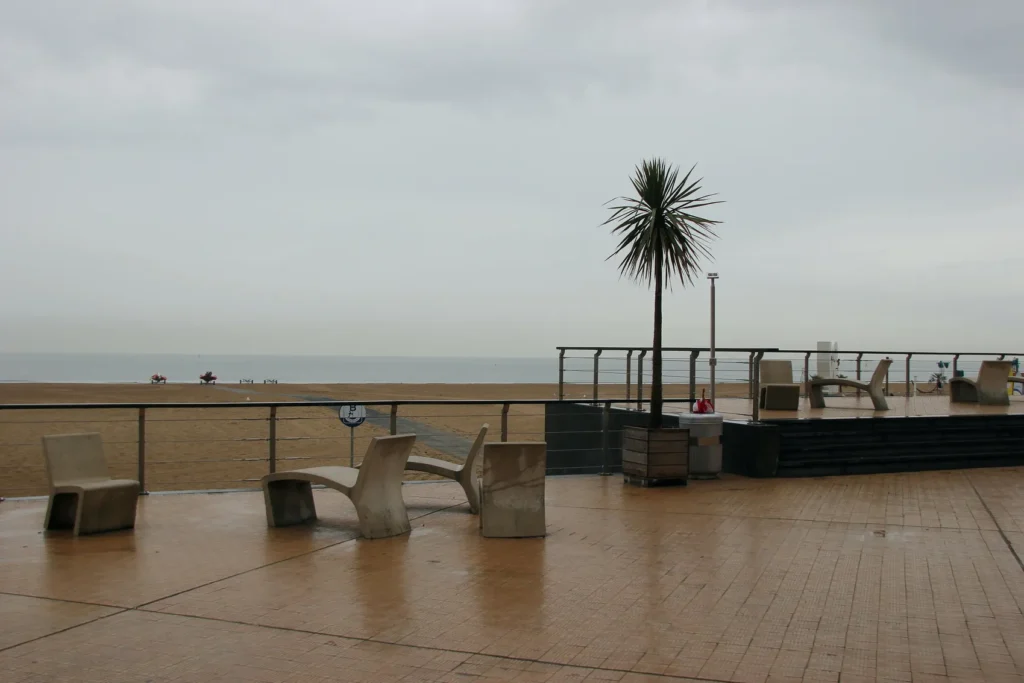
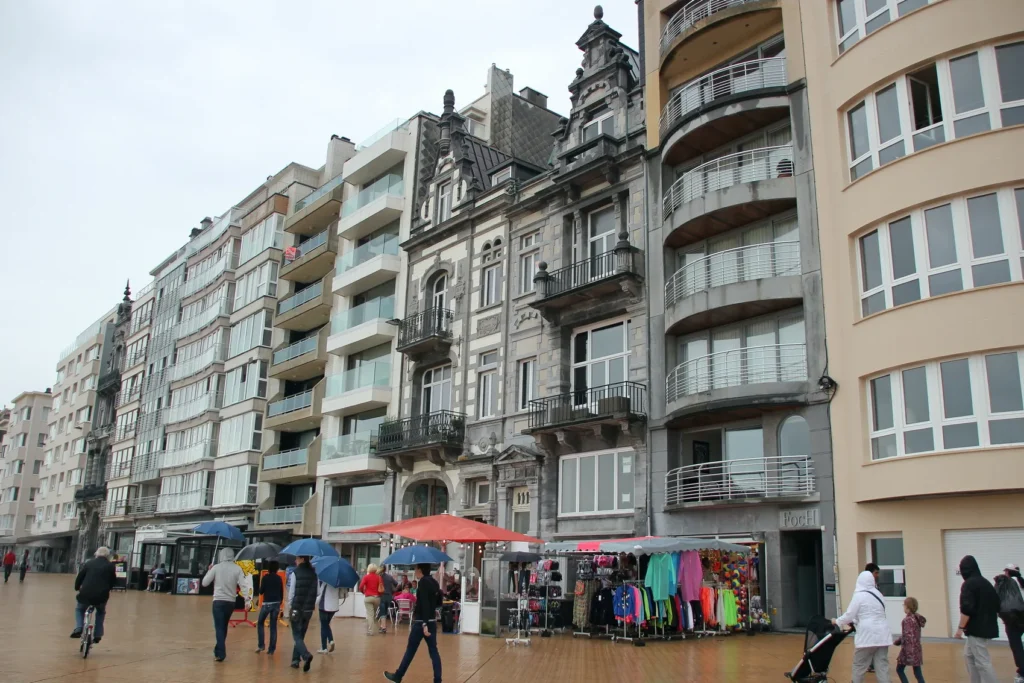
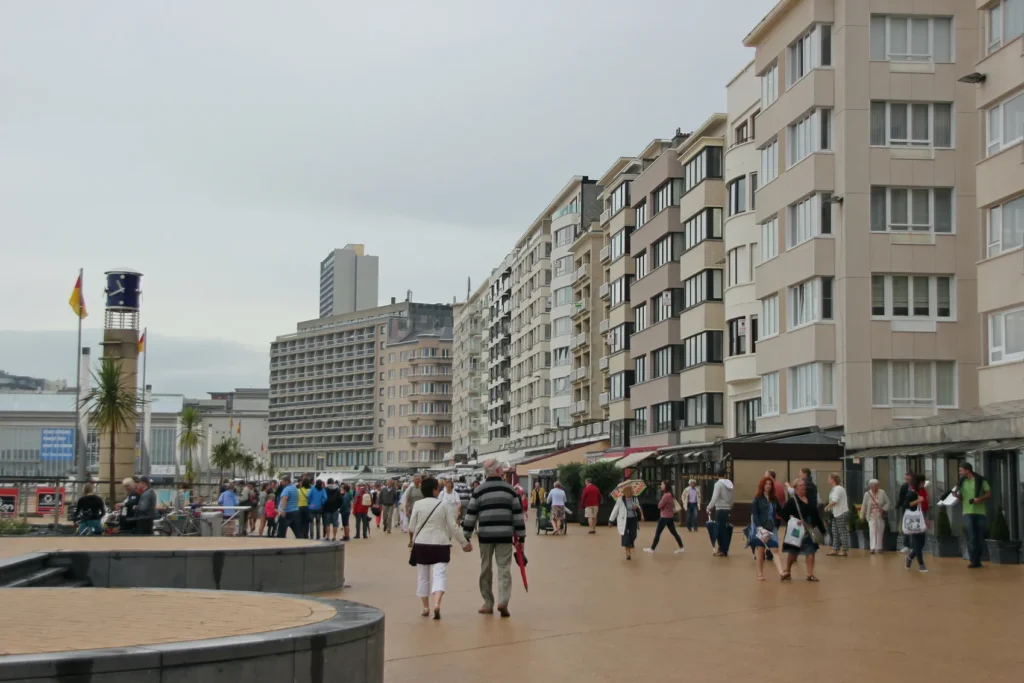
The intensifying wind cuts through you, mercilessly tousling your hair, erasing any attempts to look better than you are, stripping away pretension, and clearing the mind. After a walk through Ostend, a sense of almost tangible clarity lingers — like stepping out of an ice-cold shower.
It’s time to move on. Brussels, the European Union’s capital, awaits. I take the same route, bypassing Bruges, watching column after column of cars with British plates racing into Belgium. A ferry must have recently arrived from the UK, and now visitors from the islands are on their way into continental Europe.
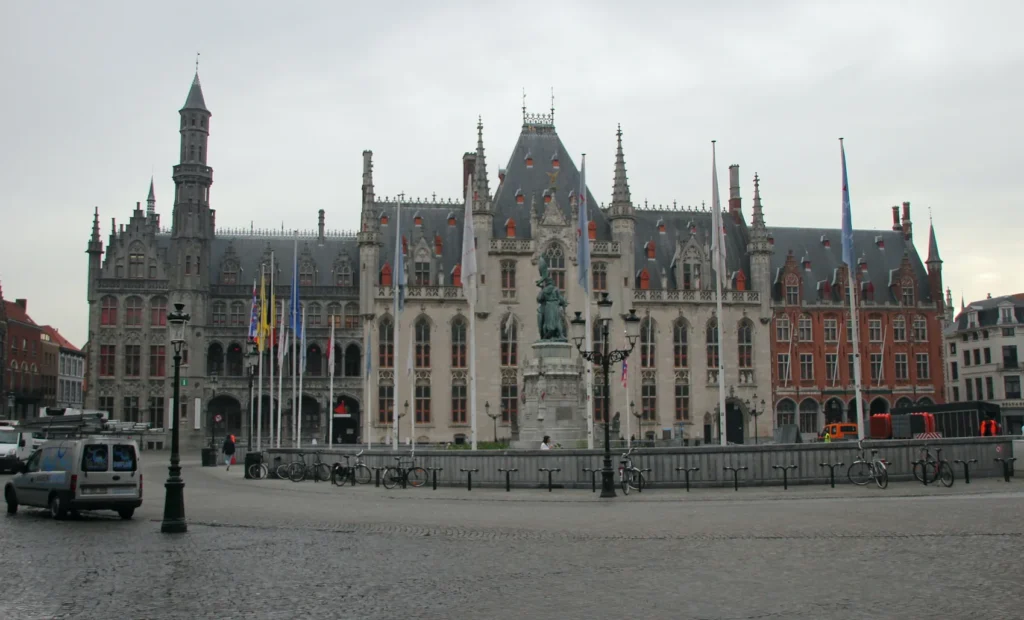
The Belgian capital greets me with sunlight breaking stubbornly through the clouds. Golden accents on the palaces of the main square — the most beautiful in Europe — sparkle especially brightly in these rays. The streets are so crowded that you have to stand shoulder to shoulder with tourists from all over the world.
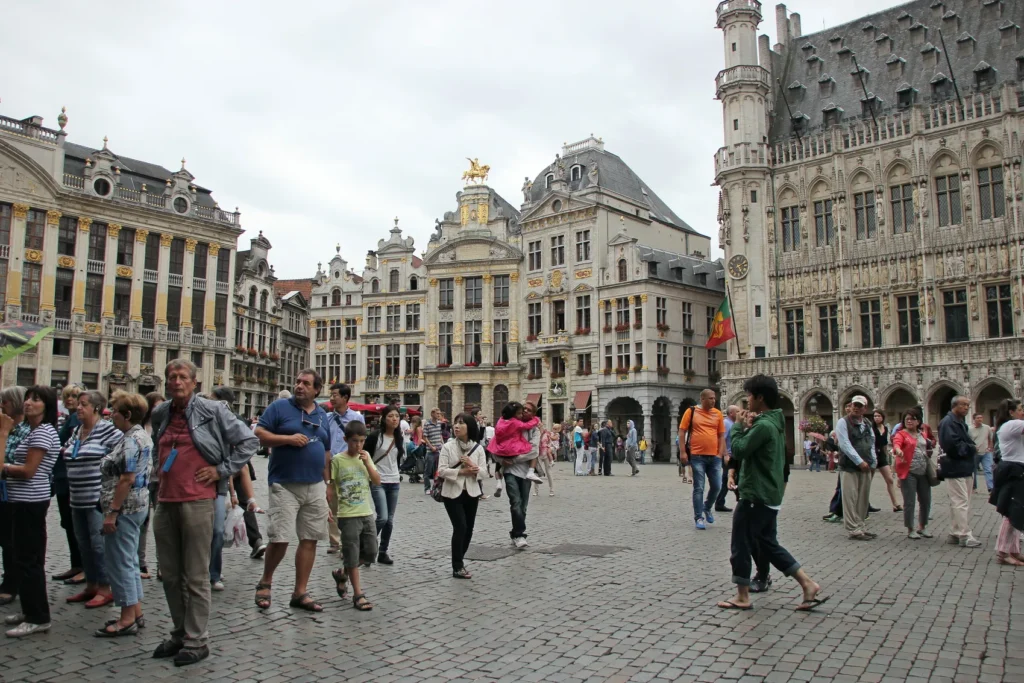
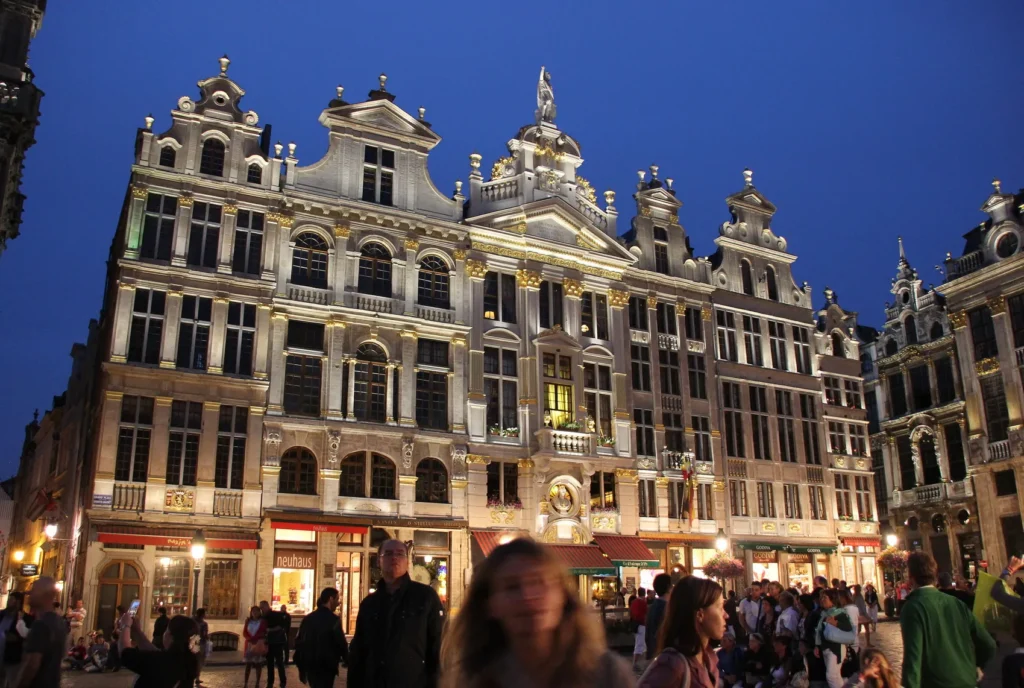
Like in Bruges, chocolate stands abound here. Tourists, barely walking, open fresh boxes and eagerly sample exclusive chocolates.
They say chocolate is the tastiest antidepressant, and looking around, it’s hard not to believe it. Frowns are rare here. The air is perfumed with gentle chocolate aromas, inspiring nothing but pleasant thoughts. “Everyone smiles at chocolate — even bankers,” says a Belgian proverb. And it’s absolutely true.
Text and photos by Yulia Zemtsova
Cover photo by Adonyi Gábor