Transcontinental Journey from Gibraltar to Morocco
Long barriers on both sides of the road slowly lower, blocking all traffic: the main artery of Gibraltar is completely shut down. Local drivers sit calmly in their cars, while I’m already burning with curiosity. What’s going on? And then, right in front of the waiting vehicles, a British Airways passenger plane tears across the road with a deafening roar and, heaving itself off the ground, climbs sharply into the blue sky.
Half a minute later, life goes back to normal. The road reopens, and everyone continues on their way as if nothing had happened. Pedestrians, having let the plane pass, calmly walk across the runway, and some even make their way deeper into the airfield toward the terminal. There is no barbed wire, no tall fences, no armed guards in sight.
From Gibraltar’s residential blocks, the Spanish high-rises are just a stone’s throw away. Only a small police booth at the border and a chain-link fence separating the opposing traffic lanes remind you that this is a state border between two countries. Gibraltar is a British overseas territory, and until not so long ago, visiting required a UK visa. Now entry is allowed with a multiple-entry Schengen visa, so many travelers who come to southern Spain eagerly set off on excursions into this tiny enclave.
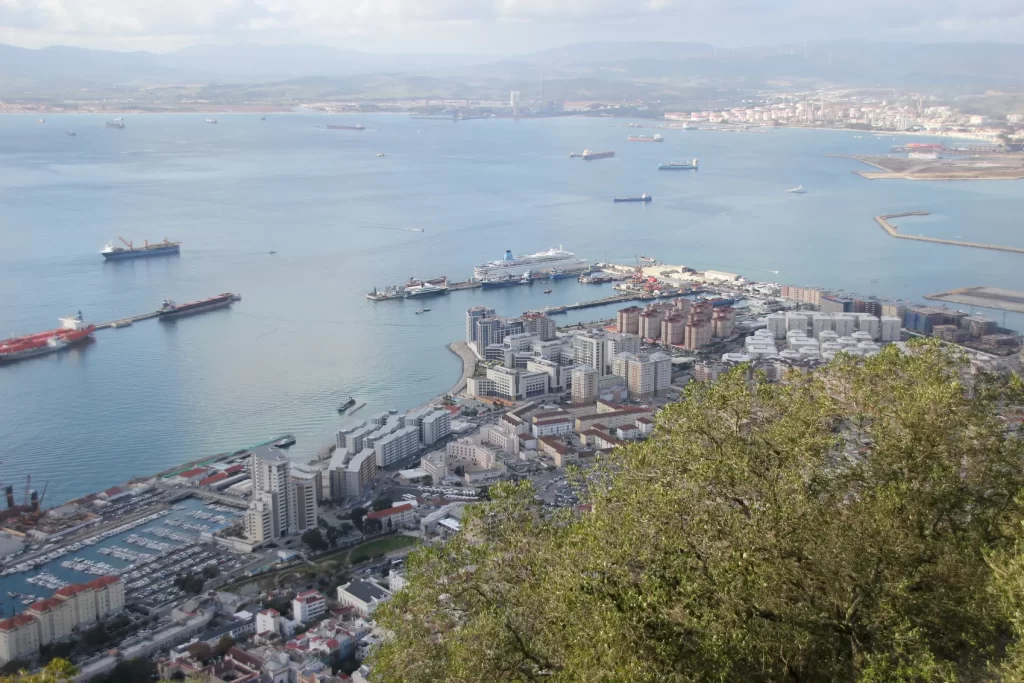
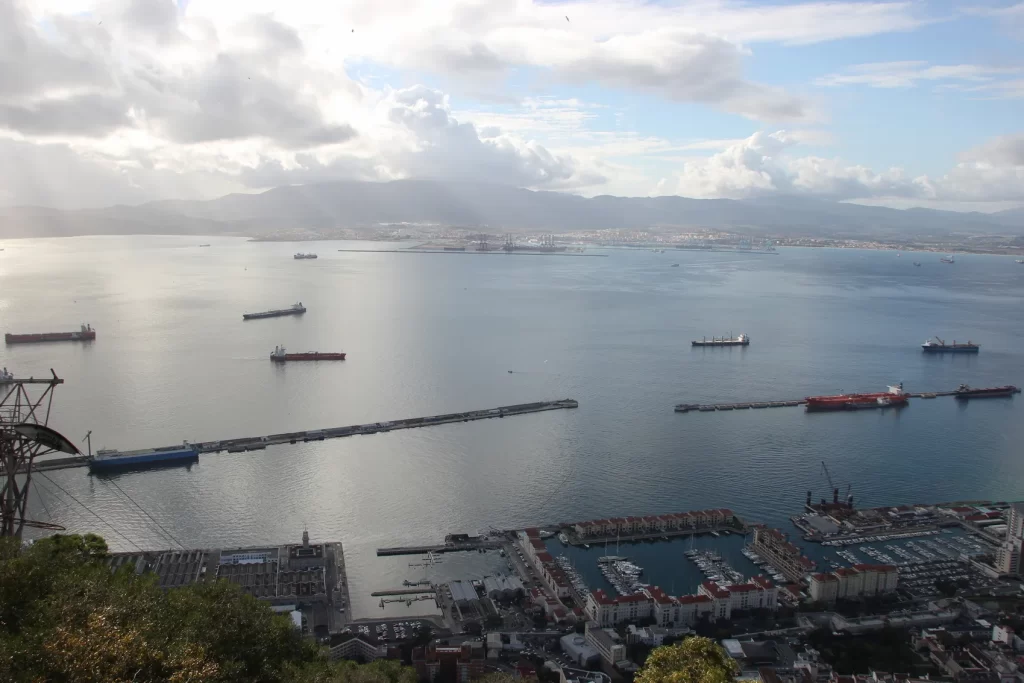
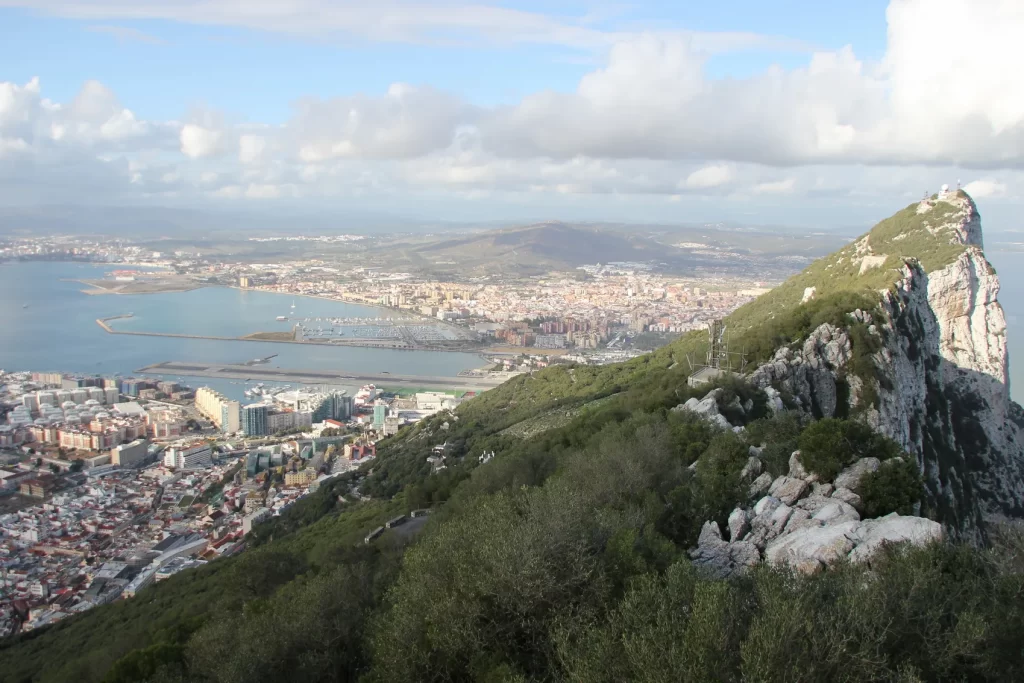
From most countries, Gibraltar is easiest to reach via Málaga, Spain, since its only direct flights are with the UK. From Málaga Airport, it’s just over a hundred kilometers to the famous strait — about an hour’s drive. From the top of Gibraltar’s Rock, you can see the African coast: only around fourteen kilometers separate the continents here. But the nearest ferry that can take both passengers and cars to Africa departs from Spanish territory, from the town of Tarifa — the southernmost point of Europe.
Half an hour is enough to drive through Tarifa from end to end. My standard sedan sometimes feels a bit too large for the narrow streets, and only the car’s maneuverability keeps me from scraping the corners of houses and the lampposts as I turn.
Finally, boarding begins. Just thirty-five minutes later, the ferry docks on Moroccan shores, in Tangier. Moroccan border officers scrutinize my documents for the better part of an hour, seemingly unable to decide whether to let me enter. Strangers in work clothes keep walking up to the car, offering to “solve all the problems” for a small fee. I politely refuse; they step aside, only to return again five minutes later. Eventually, the border officer brings back my documents and waves me on. Hello, Africa!
The very first intersection welcomes me with total gridlock: cars have converged simultaneously from every direction, and each driver, ignoring the traffic lights, tries to be the first to squeeze through. On Moroccan roads, the “law of the jungle” applies: the boldest wins. I’m lucky — my determination seems to impress the locals, and they quickly let me pass.
Fifty kilometers from Tangier lies the town of Asilah. Along the road leading there, the oceanfront stretches endlessly, littered and lifeless like a desert. I turn toward the crashing waves and take a dirt road.
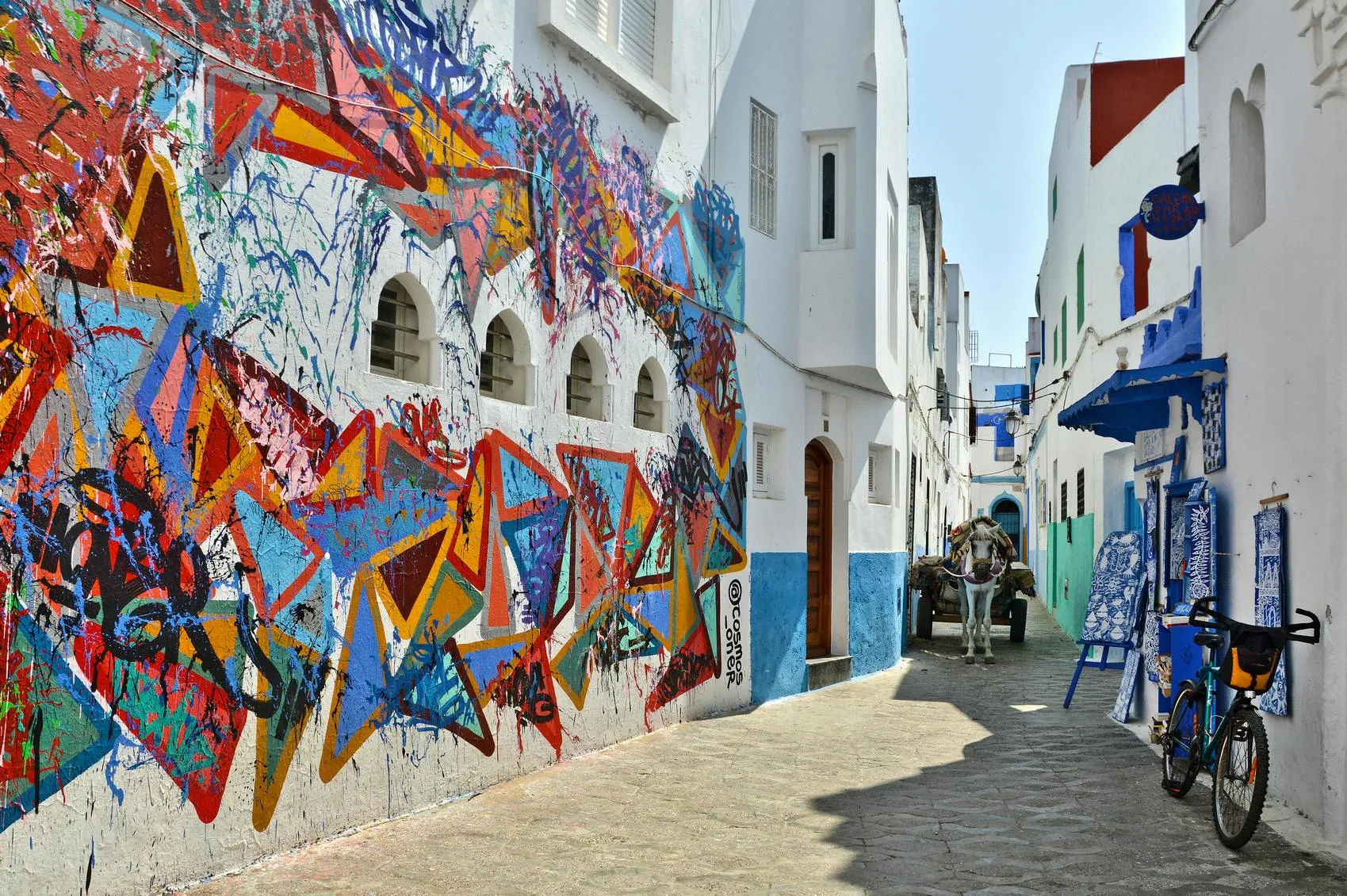
Soon the low houses of Asilah appear ahead. The city’s history spans more than three thousand years, dating back to when the Phoenicians founded a trading port here. Trade is still the main driver of the local economy. The street market is so crowded that it’s almost impossible to get through. Vendors lay out their goods directly on the roadway, and it takes real effort to maneuver my car through the dense stream of merchants, buyers, and onlookers.
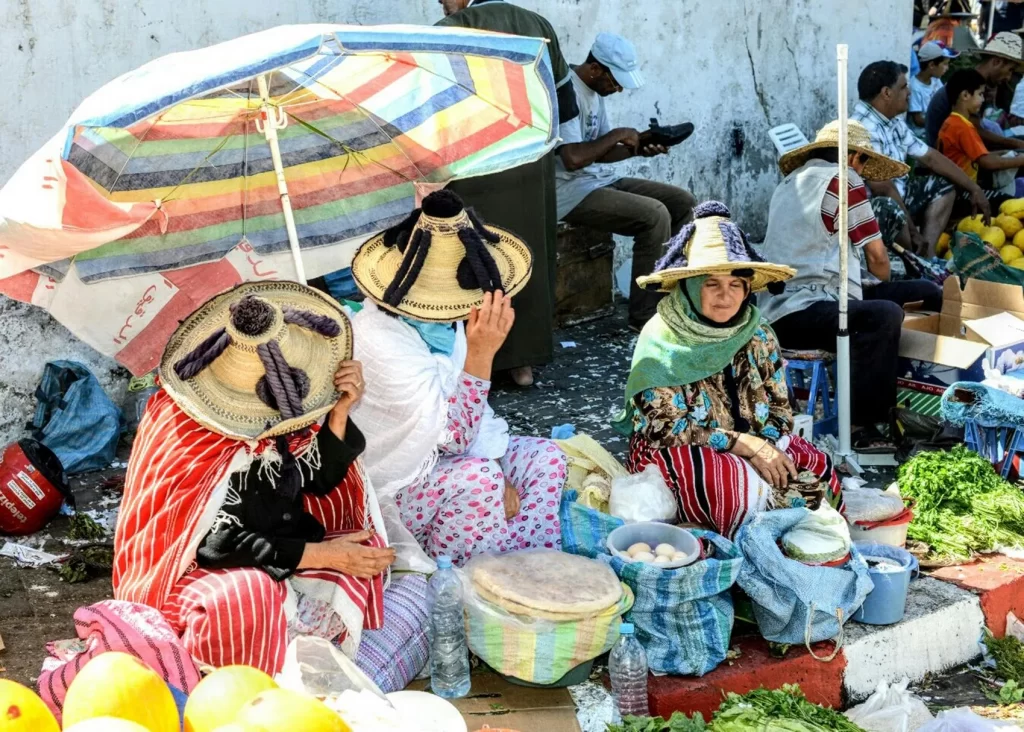
I wish I could linger longer in this swirling human whirlpool — but time is running out: I must hurry to catch the return ferry. The sky over lively, colorful Africa darkens quickly, the air cools sharply, and the road sinks into darkness. Through the panoramic roof, bright stars appear, and I think how wonderful it would be to stop, recline the seat, and gaze at this shimmering beauty. But no — less than half an hour remains until departure. …So, another time.
Text by Yulia Zemtsova
Cover photo by Moussa Idrissi
Translated from Russian Sofia Zemtsova