A Winter Road Trip Through Buryatia
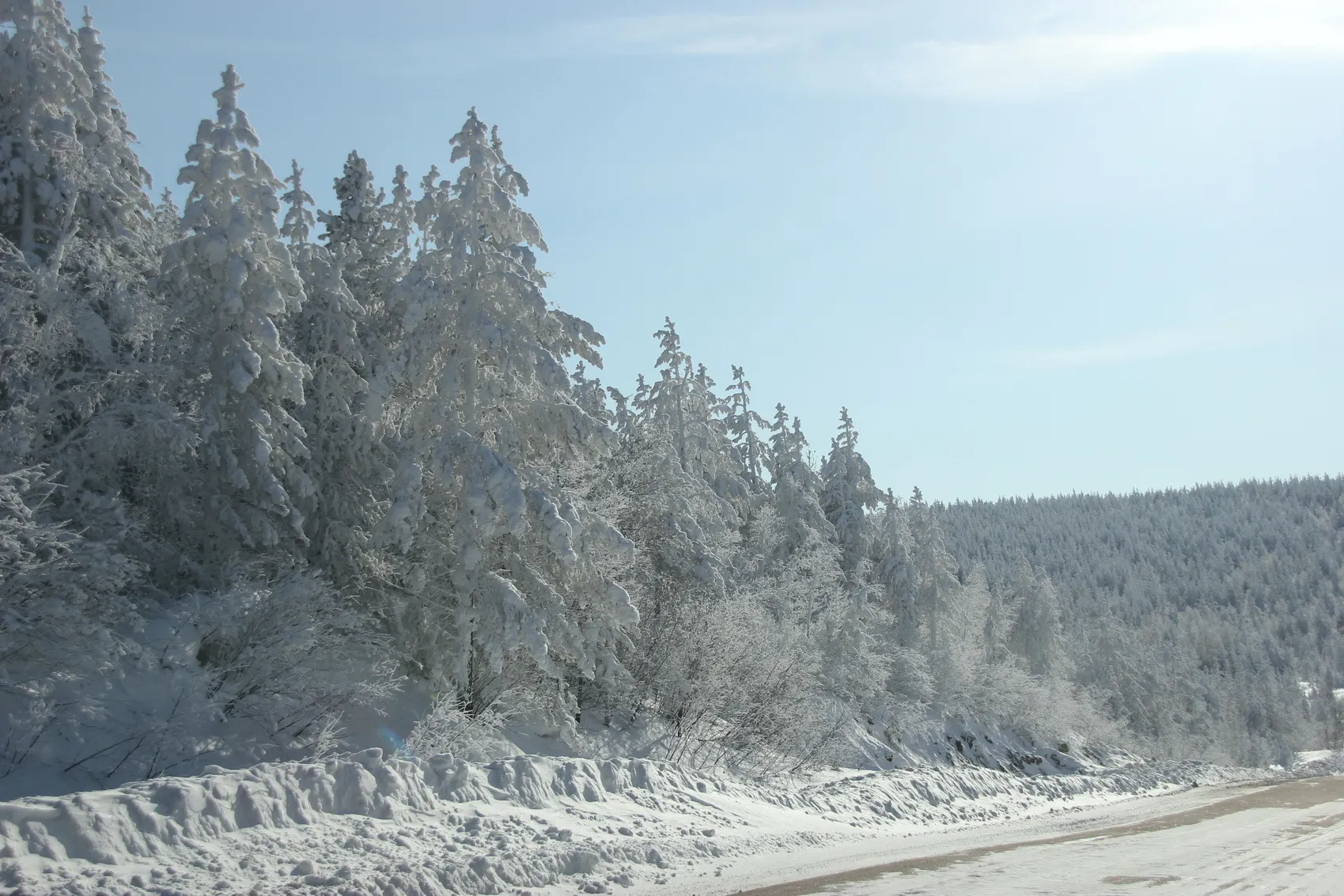
From Lake Baikal to Ulan-Ude, the capital of Buryatia, is just under two hundred kilometers. The narrow, snow-covered highway winds like a white ribbon through low mountains — at times densely forested, at times almost bare, with tufts of last year’s dry grass sticking out — rolling up and down with the landscape. You never know what awaits you beyond the next blind turn. The asphalt shows through the snow only in the very center, so most cars try to drive right along the middle of the road. Occasionally, you come across large, slow-moving logging trucks piled high with timber. Local drivers overtake them with bold precision, darting back into their lane just meters before an oncoming car.
All around is dazzling beauty. Trees heavily laden with thick caps of snow sparkle in the bright sun. The sky is high and cloudless, and although the frost nips at your cheeks, it never cuts to the bone. Siberian winter is truly beautiful. The roads aren’t treated with chemicals, so there’s no slush or grime anywhere: after two days behind the wheel, I haven’t used the windshield wipers even once.
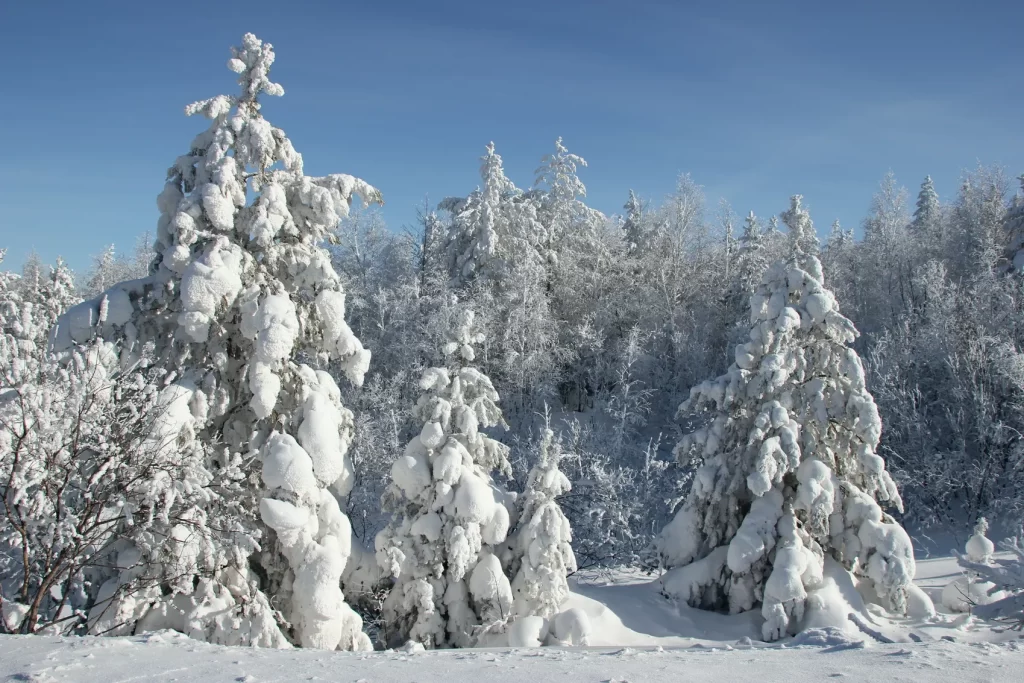
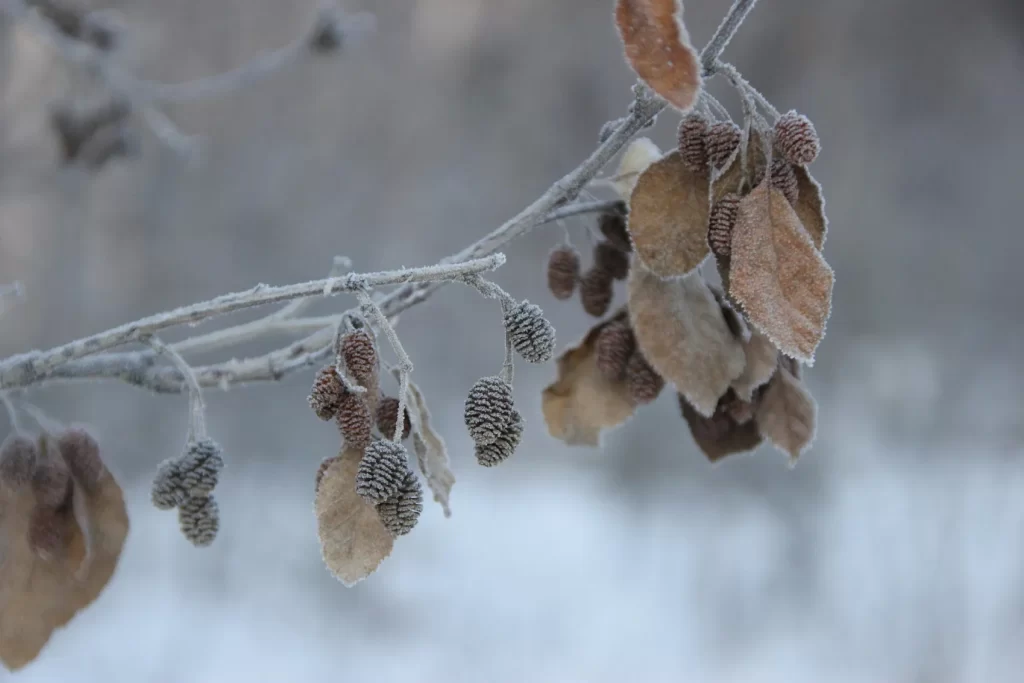
Scattered along the shores of Baikal are small villages with exotic-sounding names: Novy Enkheluk, Dulan, Oymur. Fluffy, friendly dogs trot past old darkened wooden houses. It’s minus thirty-two degrees Celsius outside, yet five village boys, their hats pushed back on their heads, are energetically playing football on a snowy clearing.
At the end of February, the Buryats celebrate their main holiday — Sagaalgan, the Buddhist New Year. The name translates as “White Month.” White symbolizes kindness, happiness, prosperity, and honesty, and each year begins with Sagaalgan as with a clean slate. Preparing for the celebration, families put their homes in order, get rid of everything old and unnecessary, and try to finish all their tasks so they can enter the new year with a clear mind.
Sagaalgan is traditionally celebrated with “white” foods: dairy products and buuz — the classic Buryat dish of meat wrapped in dough, essentially large dumplings.
This year, the start of the White Month fell on February 22. All of Ulan-Ude is decorated with colorful billboards and festive banners. Four days before the holiday, the city is already bustling. People hurry through shops, discuss menus and upcoming visits, while streets and squares glow with New Year lights. Visiting relatives and friends is an essential ritual of Sagaalgan. According to Buddhist tradition, throughout the month you are expected to visit all close family and friends, and each time, a generously laid table awaits the honored guest.
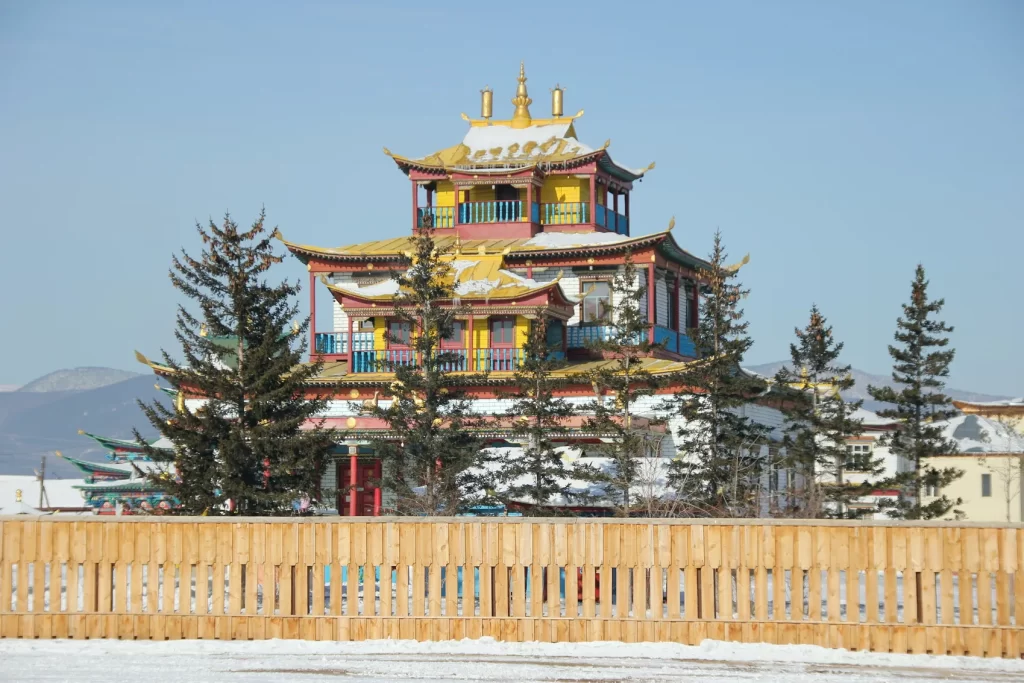
About thirty kilometers from Ulan-Ude stands Russia’s main Buddhist temple — the Ivolginsky Datsan. In photographs, its buildings look monumental, but in reality they are small wooden structures painted with bright ornaments, the corners of their roofs jauntily turned upward.
The trees around the temple are covered from top to bottom with colorful ribbons. These small flags — darcags — are tied to branches as offerings to the valley spirits. Each ribbon carries a prayer. They say that if you tie one yourself, luck will accompany you on the road and all obstacles will fall away. Such bright, ribbon-covered trees are common along Buryatia’s roads. Some drivers stop to respectfully toss a coin at the roots or sprinkle a few drops of specially kept alcohol onto the branches. And wedding processions — especially numerous in the days before Sagaalgan — stop here constantly.
As fate would have it, I realize I’ve left my wallet at the hotel. Naturally, there’s no alcohol at hand either. So the only way I can honor the spirits is to give a friendly honk to yet another wedding party pulled over beside a ribbon-covered tree. Despite the frost, the young men stand outside in suits without coats, and the girls wear short, low-cut dresses with light jackets. Laughing, they wave back at me. It seems the spirit of the road has forgiven my forgetfulness — which means my journey will be smooth and pleasant.
Text and photos by Yulia Zemtsova
Translated from Russian by Sofia Zemtsova