Here, you just want to pause and stay. To freeze, holding your breath. To fall onto the warm earth, arms outstretched, and gaze for a long, long time at the pale blue sky.
It’s beautiful and astonishingly comfortable — for the soul, the body, and the eyes alike. The air is infused with freshness and silence, peace and freedom — the very things capable of harmoniously replacing the elusive happiness one has yet to find. In the mountains. By the sea. In the enchanting, extraordinary land of Georgia.
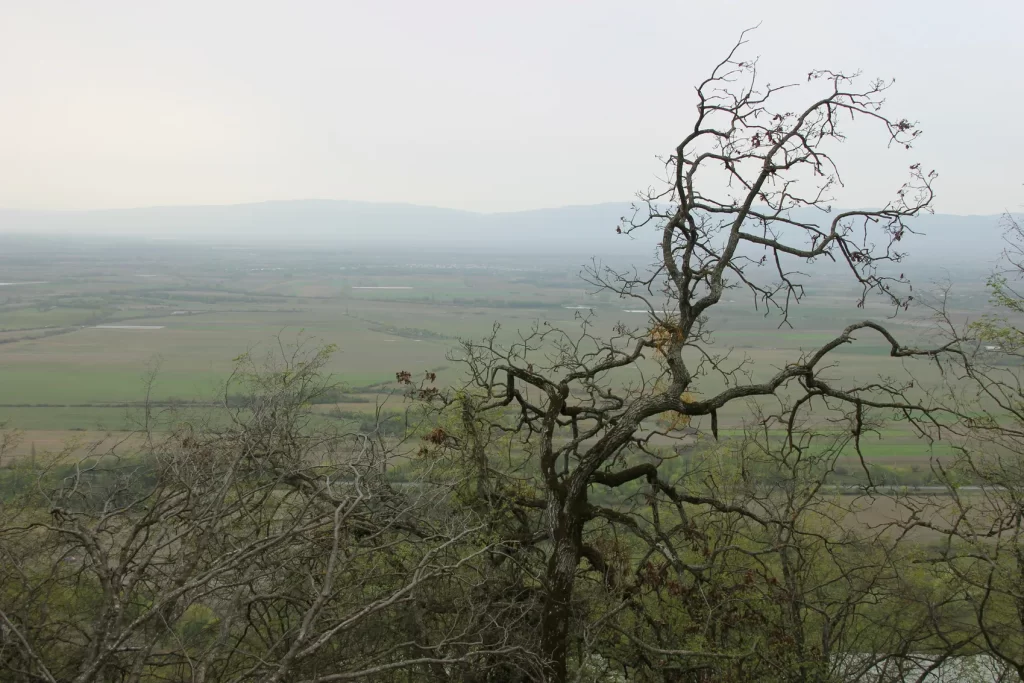

From a high mountain slope near Lake Kvareli, a stunning view unfolds over the Alazani Valley. In spring, tender and streaked with the first lush greens, it stretches out like a palm, framed by bluish mountain peaks. One could spend half a lifetime exploring its remarkable landscape, subtle colors, dancing lines, and shifting perspectives. Humans have cultivated this fertile land for eight thousand years, yet the majesty of this history feels entirely natural here. This is Colchis — the territory of modern Georgia — where the legendary Argonauts sailed in search of the Golden Fleece. Here also unfolded one of the most dramatic and ancient love stories: that of brave Jason and wise Medea, long before the Trojan War.
Even in those ancient times, Colchis ranked among the most beautiful and wealthiest kingdoms in the world, and its people endowed their rulers with magical power. King Aeëtes, Medea’s father, was, according to legend, the son of the sun god Helios. Even today, this land is kissed by warmth: Georgia enjoys over two hundred sunny days a year.
Mild winters, early springs, warm summers, and long, velvety autumns benefit not only nature but also local architecture. Well-preserved ancient fortresses and historic buildings can be found almost everywhere in Georgia. Aging gracefully is a true art, and here it is mastered by both buildings and people alike.
The small town of Sighnaghi, perched high in the mountains, resembles an intricate toy. Cobblestone streets, wooden houses, ancient stone churches, vine-covered fences, and colorful market stalls line the roadsides — are we in low-rise Asia or old Europe? This is where the great painter Niko Pirosmani lived and worked, the man who sold everything he had to gift “a million scarlet roses” to his beloved actress. Today, Sighnaghi is celebrated as Georgia’s “City of Love.” Local authorities actively promote this identity: they have curated a collection of Pirosmani’s paintings, organized tours to the supposed home of his beloved, and even established a 24-hour registry office. Love is palpable everywhere: for history, for nature, for one’s country, for oneself, for all things. True, encompassing, wise, and serene love.
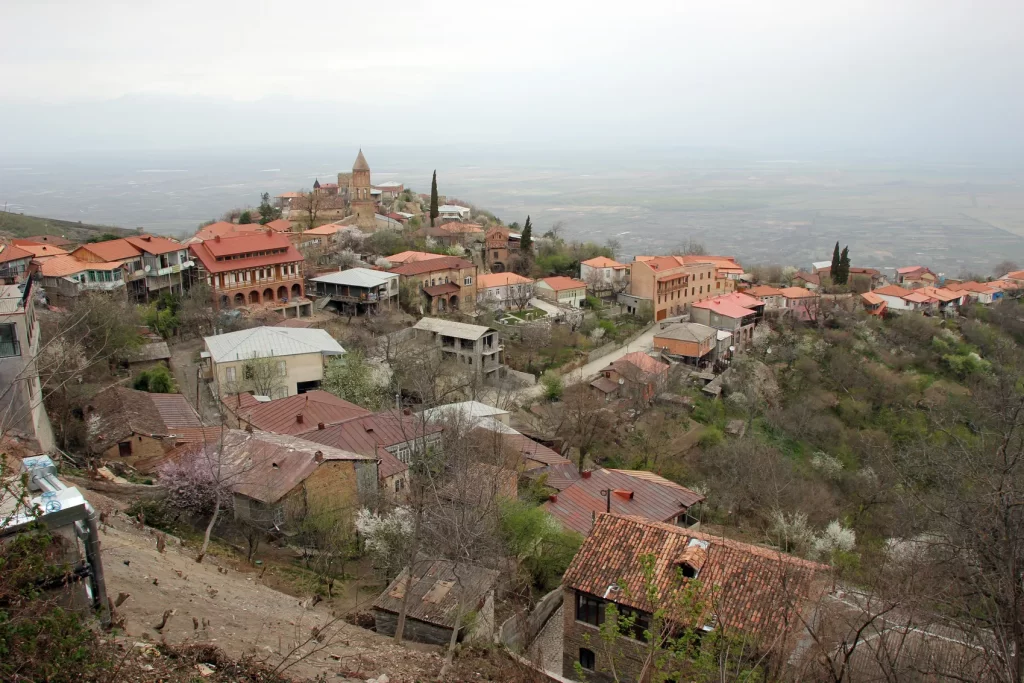
Visiting Georgia without becoming a poet or painter is nearly impossible. This extraordinary country quietly slips into the heart, leaving behind a bittersweet, enduring longing, an eternal desire to return, to declare your love — in poems, sketches, or melodies — and to pause in this amber warmth.
At every turn awaits a sea of endless pleasure: visual, emotional, gastronomic. Georgians are passionate yet unhurried, friendly, and exceedingly hospitable. Sitting at a Georgian table automatically grants you the status of a cherished guest, and your only task is to enjoy — wine, appetizers, shashlik, delicate sweets, pleasant conversation, and the flawless polyphonic singing of local musicians.
The local mindset resists globalization: mass-market goods hold little appeal, so everything offered by hosts is made especially for you. Homemade wine, rich and aromatic, aged not in barrels but in clay jugs coated inside with honey. Soft, warm lavash, freshly pulled from the oven. Hot khachapuri, juicy khinkali, shashlik prepared by the host himself. The table overflows with colorful, flavorful dishes, and the appetite they inspire seems limitless. Few cuisines can rival Georgian food for its vibrancy, richness, depth, and lightness. Remarkably, despite such abundant feasting, obesity is rare, for dining here is elevated to a true cultural ritual.
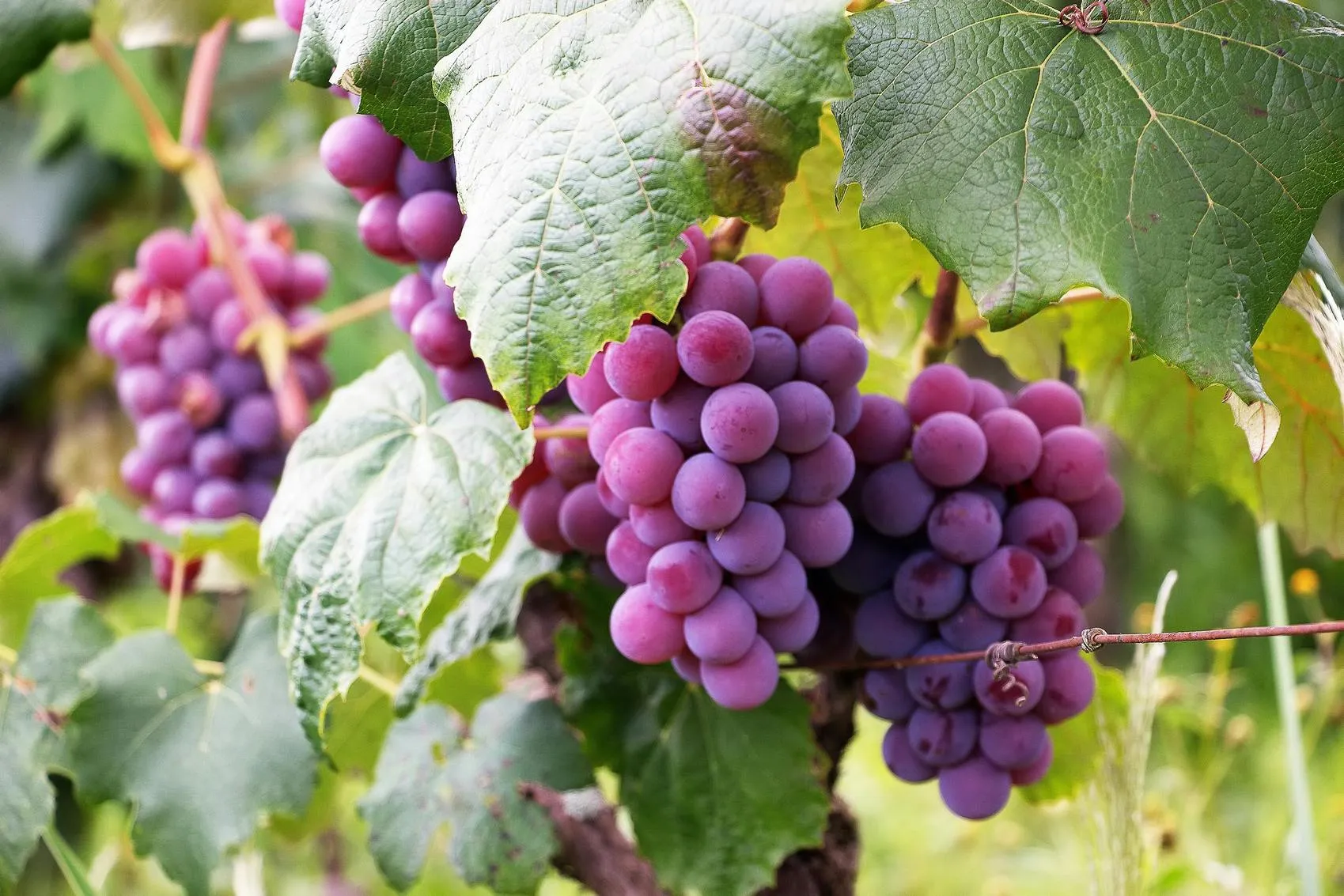
Mukuzani, Vazisubani, Tsinandali, Kindzmarauli — these small Georgian towns are world-famous for their wines, renowned for unique flavors and aromas. At one point, Russia attempted for seven years to go without Georgian wine, yet how could one truly do without it, especially when even in enlightened Europe it repeatedly reaches the height of fashion? Wine connoisseurs rejoice: this precious drink has finally returned to Russian shelves, carrying with it the warm Caucasian sun, long toasts, and the intoxicating charm of southern hospitality.
The intricate terrain of old Tbilisi captures the eye, compelling you again and again to stop, observe, absorb, and remember. It is one of the most charismatic and vibrant cities, whole and distinctive, retaining its proud character while exuding youthful energy and drive. Ancient facades with tall carved balconies harmonize with modern glass-and-concrete architecture. Life pulses day and night, and the bustling crowds fill street cafés, drawn by divine aromas and ringing melodies.
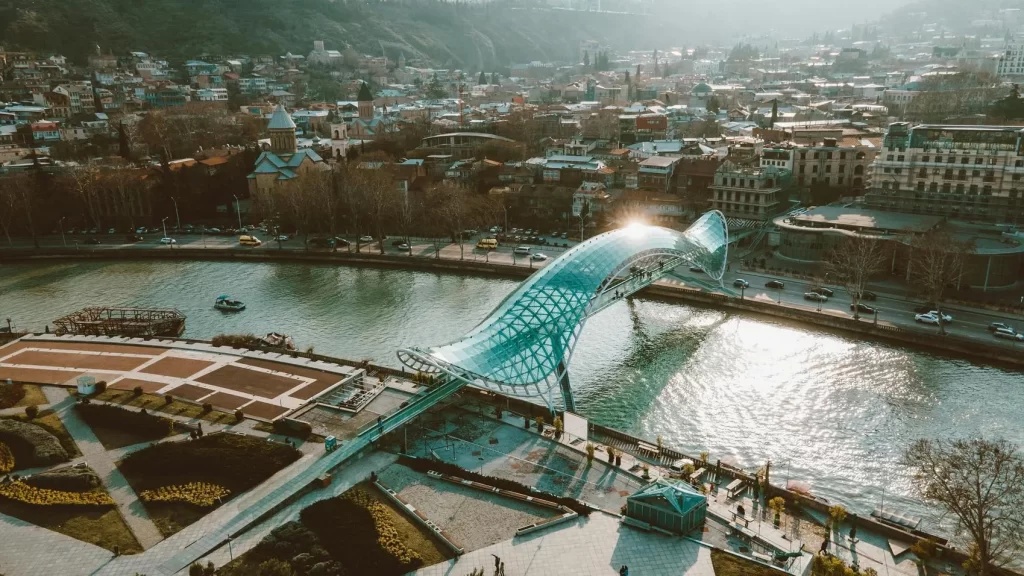
“It’s better to work than to do nothing,” says a Georgian proverb. And indeed, Georgians are industrious. Yet they also possess a rarer gift: the ability to accept others as they are, to encourage and inspire. “I love to draw,” you tell a local, and they respond instantly, constructively, without probing or doubt: “Grab your sketchbook, come with me — I’ll show you places you’ll never see more beautiful in your life!”
Even a short visit to this country is enough to see yourself and your life anew. If every moment here is so richly pleasurable, perhaps we too should take a closer look at ourselves. After all, timeless wisdom has long suggested that to achieve true happiness, one needs only one thing: to learn to cherish life in all its manifestations, in every moment — right here and now.
Text by Yulia Zemtsova
Cover photo by Luiz M. Santos
Translated from Russian by Sofia Zemtsova