Yugoslavia has long since vanished from the map, and from a distance it seems an eternity has passed since its breakup. But only when you find yourself in those newly independent countries do you realize that the old wound has healed for far from everyone. For many peoples, life remains forever divided into “before” and “after.”
Serbia, Croatia, Bosnia and Herzegovina are the largest parts of what was once a single country. They still share a great deal: endless mountains, delicate beauty, a cuisine rich in meat, almost identical languages — and the bitterness of shared memories of a terrible war that forced each of them, more than thirty years ago, to start life over.
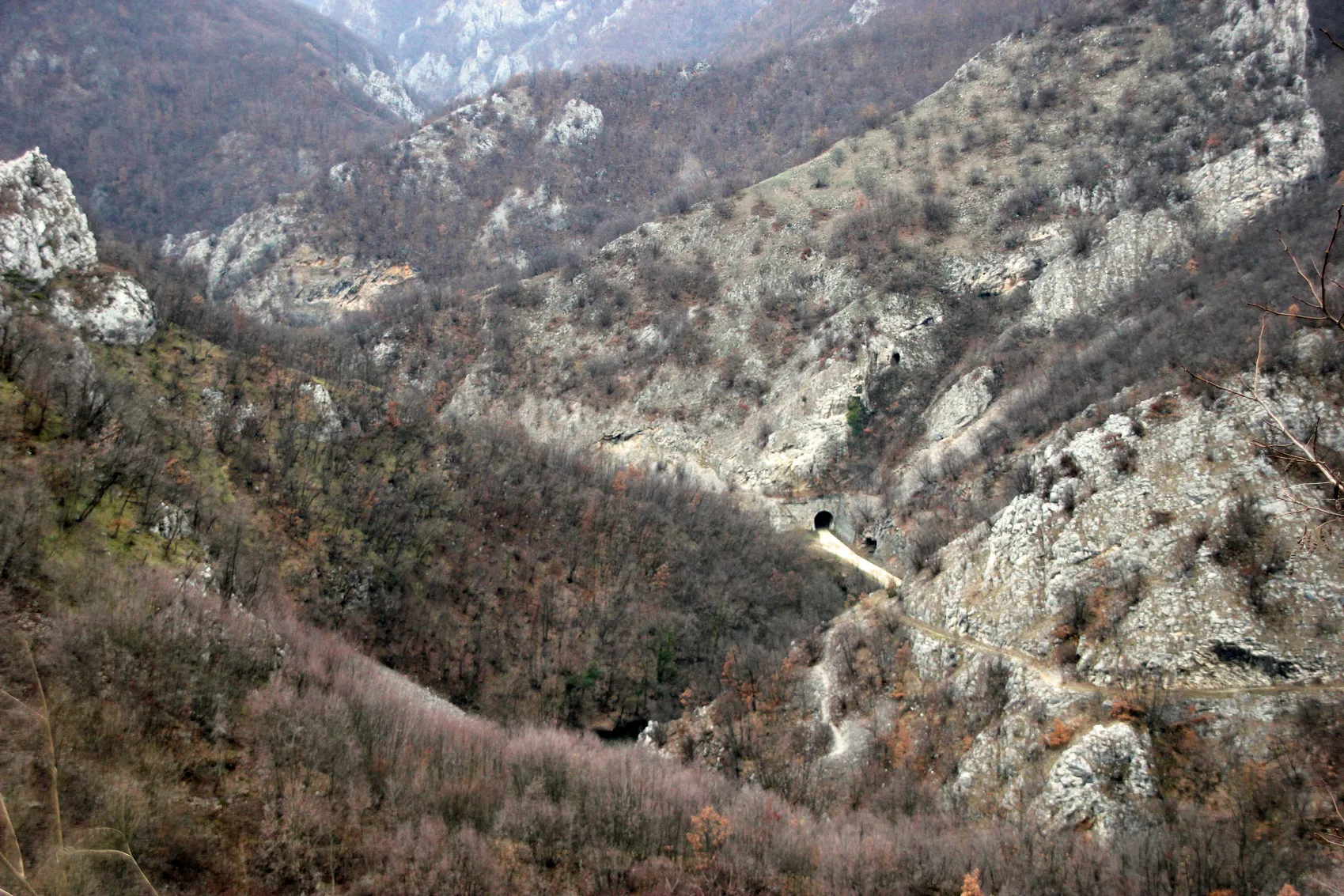
The city of Sarajevo, capital of Bosnia and Herzegovina, is cradled on all sides by towering cliffs. From here, endless mountain switchbacks wind toward the Serbian border: blind turns, tunnels bored through sheer rock faces. Locals live modestly, and it’s rare to see a car less than twenty years old on the roads. Old, tiny Renaults and Fiats thread their way along the two-lane highways, and overtaking them on these narrow roads is almost impossible. It’s a good time to look around — but all you glimpse through the car windows are forested slopes and grey stone masses disappearing into the clouds.
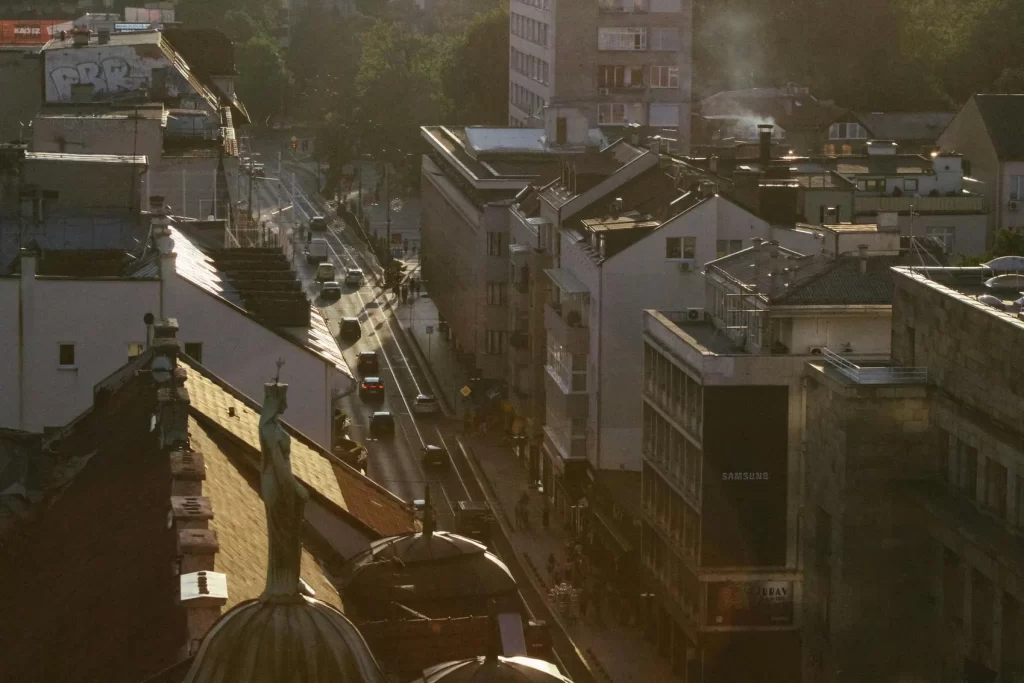
The echo of past war is palpable at every step. Sarajevo’s apartment blocks still bear the scars of artillery fire; facades are perforated by shrapnel, and locals admit the city simply lacks the funds for repairs. The Yugoslav economy as a whole had been largely tied to Serbia and Croatia, and now Bosnia and Herzegovina — severed from them — struggles to rebuild industry and find a path to prosperity.
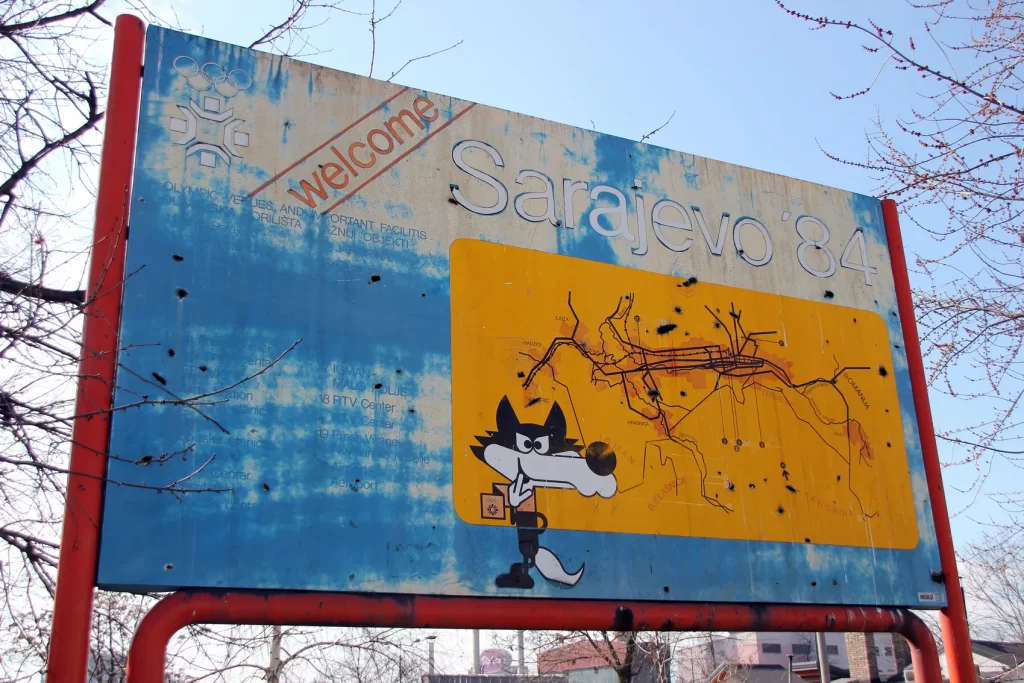
A few years before the war, in 1984, Sarajevo hosted the Summer Olympics, and that event remains the lone bright spot in the memories of many residents. Traces of it are everywhere: signs on buildings, the names of banks and restaurants, postcards in tourist kiosks, Olympic stelae and welcome banners — as if the city still hopes to return to that happier, jubilant past.
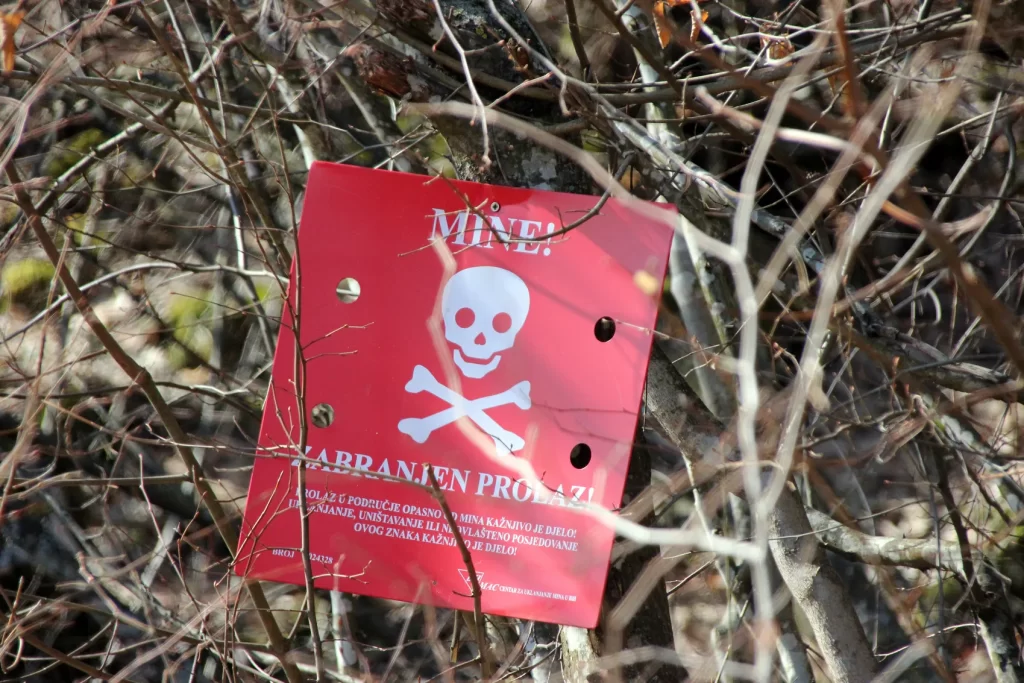
Along the roads running through the capital’s suburbs you’ll occasionally see bright red signs reading: “Caution! Mines!” This is no joke — the mountain slopes around Sarajevo are indeed deadly and, many believe, will remain so for a long time; ordinary Bosnians are convinced that demining them is impossible.
On the large square in front of the railway station stands a faded billboard welcoming guests to the 1984 Olympics — riddled with bullet holes. Opposite it rises a plain new skyscraper of blue glass. These two symbols of modern Bosnia, so sharply at odds with their surroundings, perfectly illustrate the country’s condition: stuck for a long time in a timeless limbo, small, bewildered, unable yet to find itself in this new life, but desperately trying to begin again.
Bosnians are remarkable people. Step out of your car and walk the bustling streets of the capital, and you are swept up by the locals’ extraordinary, almost defiant zest for life — their passionate desire for change, their urge to leave the past behind and start anew. Nowhere in Europe will you often find youth dressed so boldly and provocatively. Although the majority of Bosnians are Muslim, local women adore deep necklines, figure-hugging clothes, extremely short skirts and very high heels.
Bosnia has the feel of a land of tall people. Many Bosnians are comparatively tall by our standards. Dark-haired women with delicate features and fair-haired men with striking sideburns — these colorful figures invite you to look and remember. They laugh loudly, speak with vigor and gesticulate freely. There’s a determination here to live life to the fullest — to hope that happier days will return, that Bosnia will thrive again and that its natural beauty will once more draw tourists.
For now, they can’t quite shake the past. The burden of memory is enormous, and lack of money and strength makes an instant fresh start impossible. Yet people are not fleeing the country. On the contrary, they fill it with life, patiently waiting and hoping to see better times again.
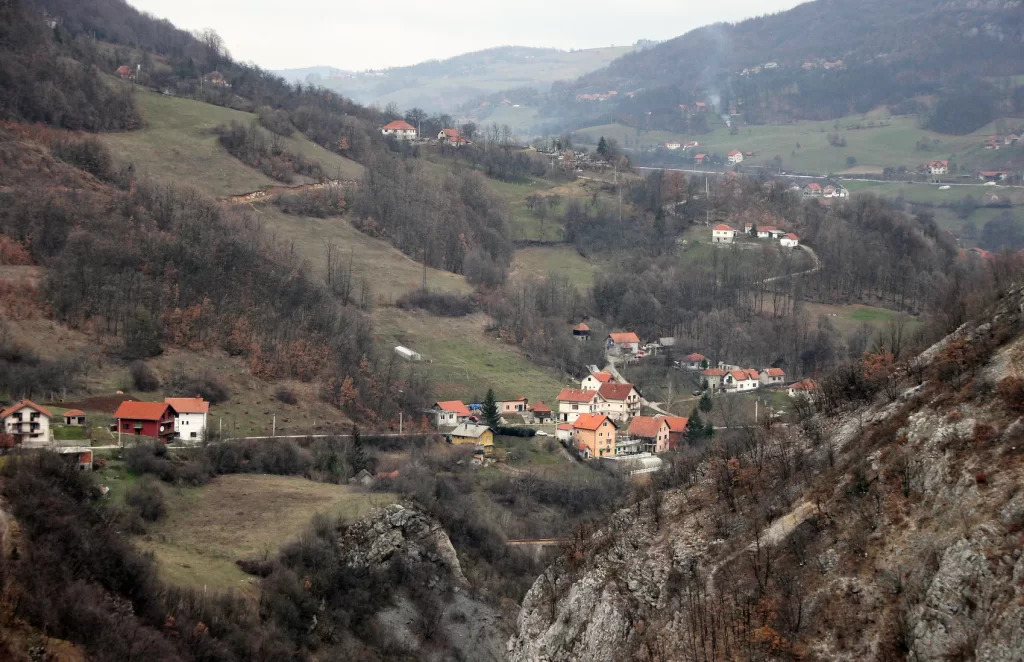
Bosnia and Serbia outwardly resemble one another like sisters: the same cliffs looming directly above the asphalt, the same houses topped with red tile roofs, the constant winds and those endless, endless mountains. Along the highways you frequently find scenic lookouts offering truly breathtaking views.
Unlike its neighbor, Serbia is an exceptionally visual country. Bright specks of houses scatter across the textured rocky backdrop — here is genuine Balkan beauty: intricate, multilayered, unspoiled by human indifference.
Serbs, like Bosnians, are strikingly handsome people. Their new history is being written cautiously, as if by touch, feeling their way toward an unknown yet coveted future. Their path has not been any easier: the country still bears the stigma of being the aggressor that started the war. Yet Serbs have adapted more quickly to the changed circumstances. Serbia’s snow-covered slopes are popular with European skiers, and the country has also been successful at exporting its culture and ethnic identity.
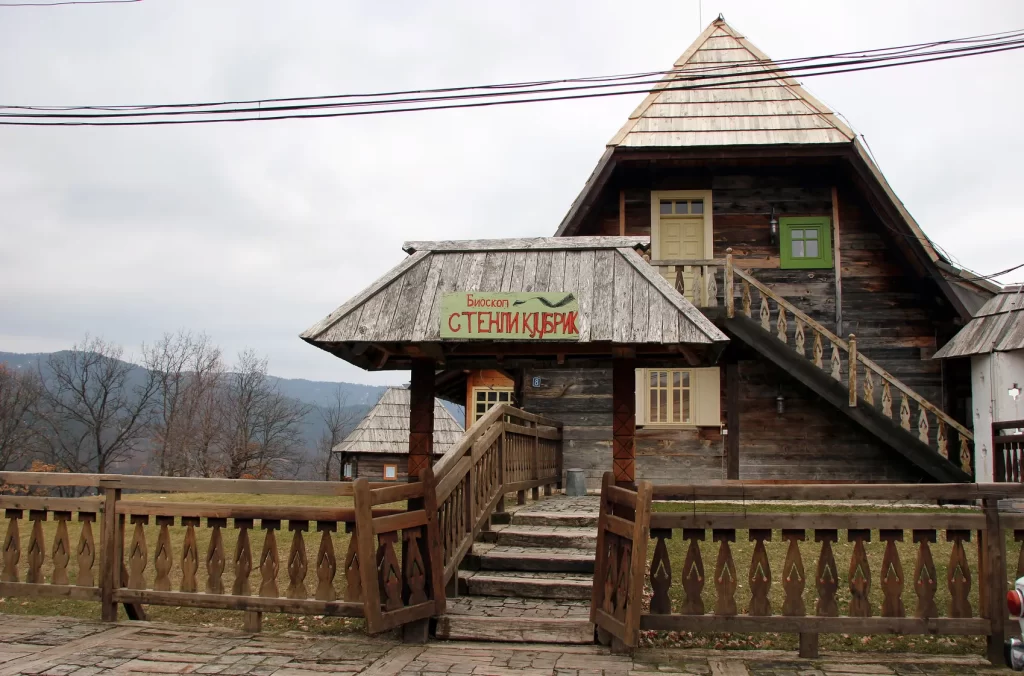
The celebrated Serbian director Emir Kusturica built an entire ethno-village, Mećavnik, which has become something of a pilgrimage site for his fans and for anyone wanting to plunge into traditional Serbian life. Perched high in the mountains, exposed to all winds and surrounded by astonishing landscapes, it prompts philosophical reflection and offers pleasure and peace to the tired urban eye. Serbs were among the first to realize that national color is a marketable asset, and that any past can be a stepping-stone toward the future.
Perhaps the luckiest of the post-Yugoslav states has been Croatia. This sunny country is friendly and welcoming — at least to tourists coming for a couple of weeks to warm themselves by the sea. Its Adriatic resorts are among the best, and in just twenty years Croatia has progressed from a poor post-communist republic to a full EU member. Their coastal towns have only recently begun to regain a true resort polish, and even now, here and there, abandoned “socialist” construction projects still jut out like beacons from the past.
As in Yugoslavia and the USSR, private property was once abolished, but Croats never lost their sense of responsibility for their state. In the new capitalist reality they adapted rapidly, and it seems the whole country moved together, fearlessly embracing a new life in the sun.
Relations with former “relatives” remain tense. Croats are said still to hold grudges against Serbs and to be openly cool toward Bosnians. In addition to political disagreements, religious divides persist: Croats are Catholic, Serbs Orthodox, and Bosnians Muslim.
Croatia’s drive to stride boldly into the future is impossible to miss. Prices at its resorts rise at breakneck speed, while traces of past wars have for the most part disappeared. What was destroyed has been rebuilt, leaving little to offend the casual tourist’s eye. To see the goal, ignore the obstacles and believe in yourself — that could serve as this country’s motto, aptly reflecting its spirit. No one promised it would be easy, but Croats clearly know what the past sacrifices were for. Their new history appears to be written with a confident hand — the country no longer stands at a crossroads.
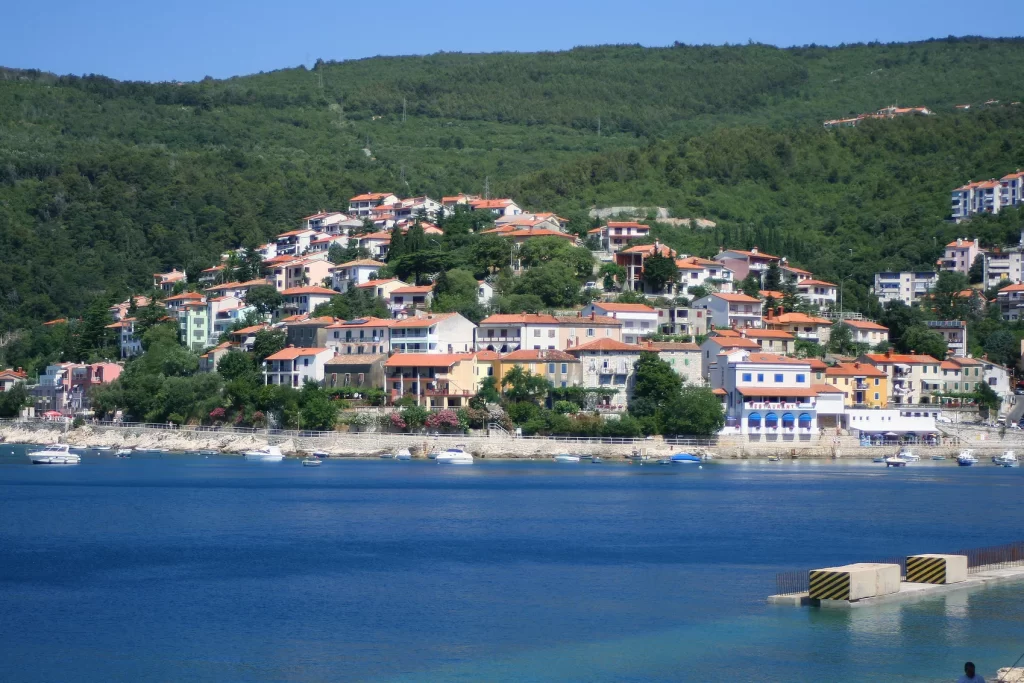
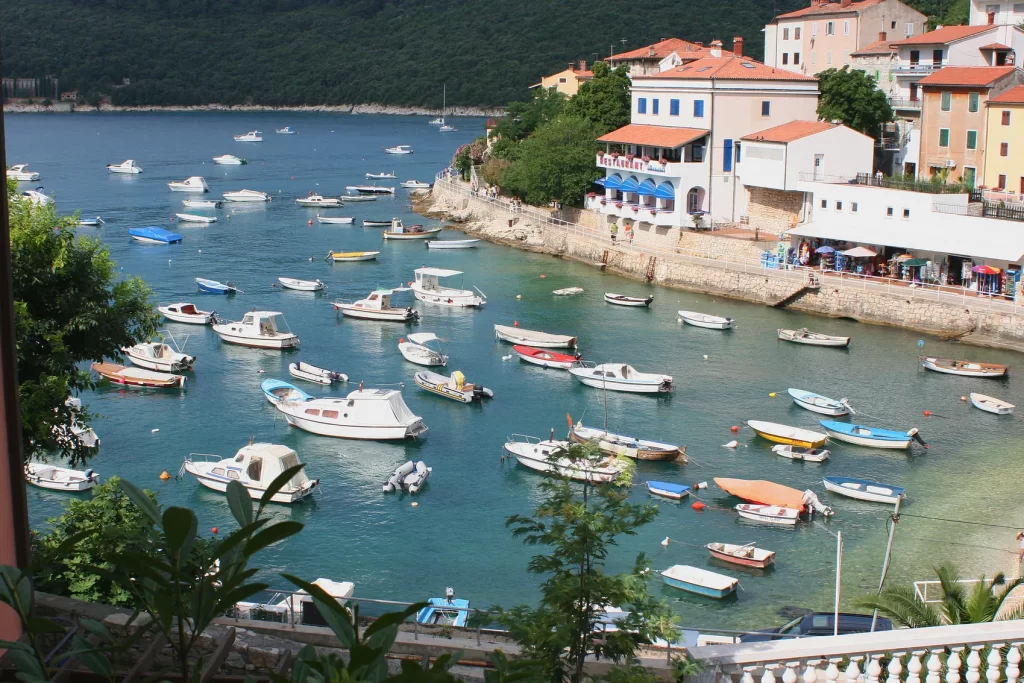
Traveling the Balkans in search of inspiration always brings a refreshing sense of novelty. On Croatia’s turquoise beaches one could spend a lifetime savoring juicy fruit, colorful ice cream and the gentle, unscorching sun. Bosnia’s stubborn zest for life, pushing through modest circumstances, shows that faith, hope and love are things no weapon can take away. On Serbia’s multi-tiered switchbacks you want to drive on and on — in silence, unhurriedly, letting time pass without ruminating over your thoughts.
The Balkans are a wonderful place to find oneself, to be alone with your true self, to look at your life from the heights of these sensuous mountains and understand that life is not a sentence — it can always be started anew.
Text and cover photo by Yulia Zemtsova
Translated by Sofia Zemtsova