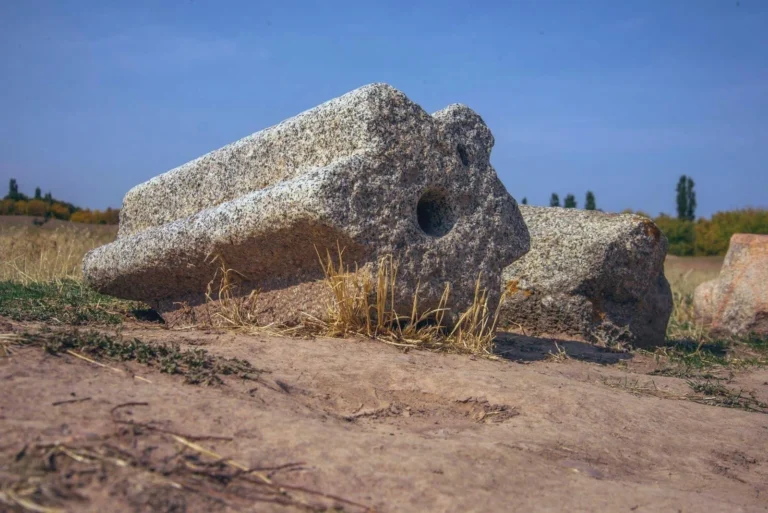

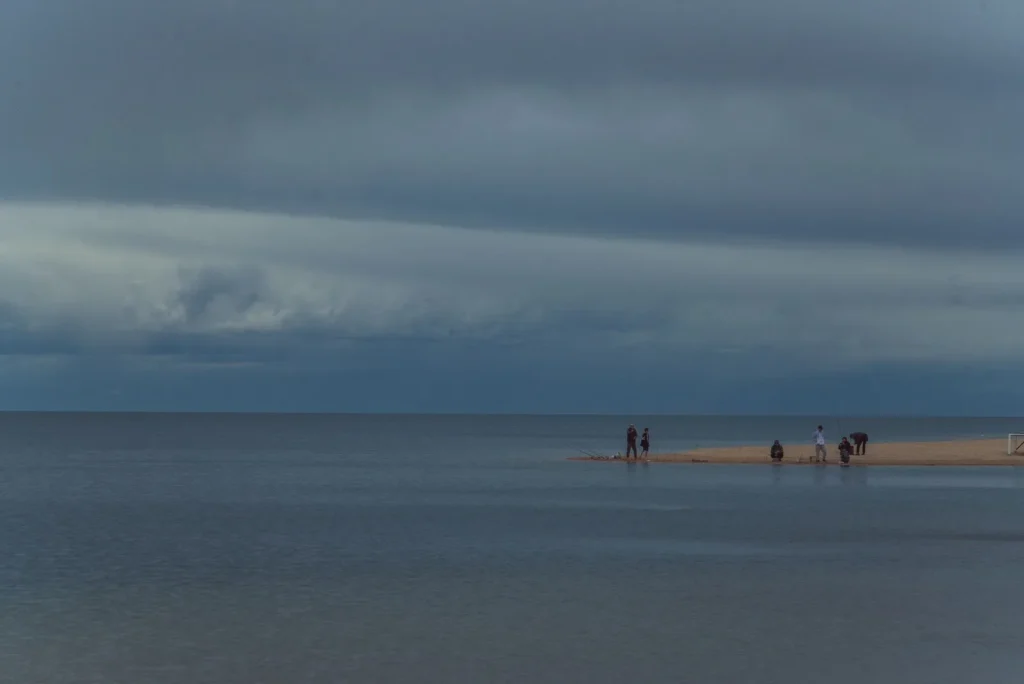
Issyk-Kul is one of the most mysterious places on the planet. This mountain lake looks and feels like a true sea — salty, faintly scented with iodine, and framed by beautiful sandy beaches. It is vast, nearly two hundred kilometers long and up to sixty kilometers wide. Yet it lies at an impressive altitude of 1,609 meters above sea level.



Because of its almond-shaped outline, it earned a very poetic and accurate name: “the Eye of the Earth.” In fact, this name only came about in the twentieth century, when cosmonaut Alexei Leonov saw it through the porthole of an orbital space station. Indeed, from satellite images, its deep blue surface, framed by mountain peaks, truly resembles a human eye.



Archaeologists and divers are constantly uncovering ancient artifacts here. In addition to weapons and everyday items, researchers have discovered Scythian burials on the lakebed, as well as the remains of a large city more than two and a half thousand years old. And all this was found at only ten meters deep, not far from the northern shore. What secrets lie in the lake’s greater depths, however, no one has even dared to imagine.




Photos by Ravshan Kazakov
Text by Yulia Zemtsova