A photo story from one of Bishkek’s most iconic places — soon to be gone
For more than 80 years, this spot has been full of life and trade. It all started back in 1942, when Bishkek itself was still a young city, not even a hundred years old yet. For decades, it remained a modest local market. Then, in the early 1980s, large marble pavilions were built here — and that was the moment Osh Bazaar became one of Bishkek’s most recognizable landmarks.
The name comes from the Osh region: construction crews arrived from the south, and the project was funded by the Osh Regional Consumer Union. In just six months, white-marble pavilions went up across five hectares, and more than 500 stalls opened at once. The market kept growing year after year, eventually becoming one of the largest in the city.
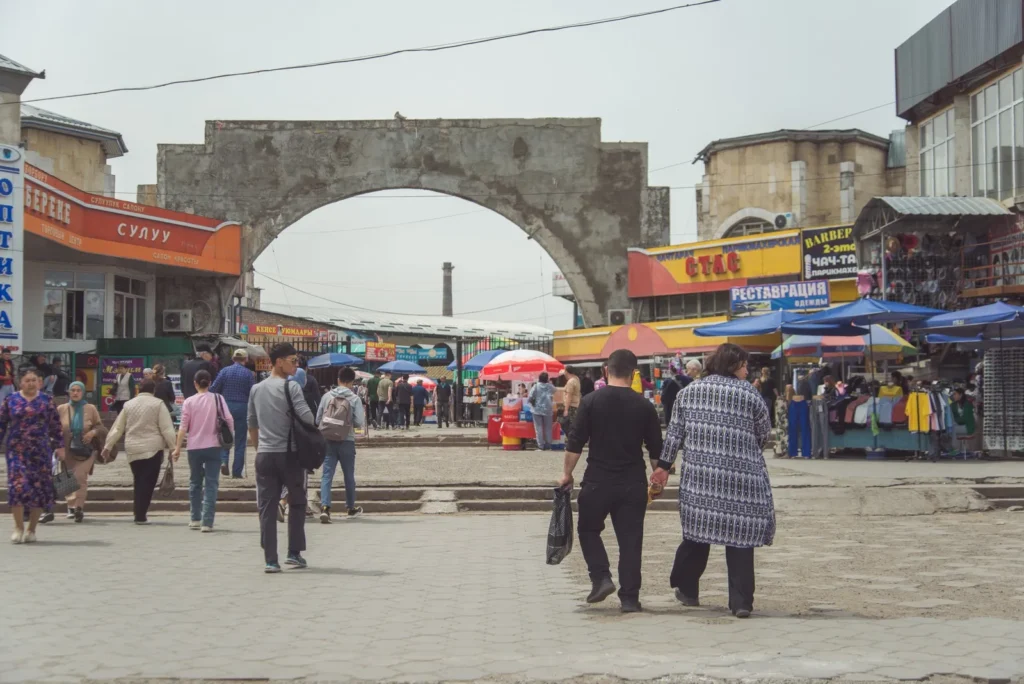


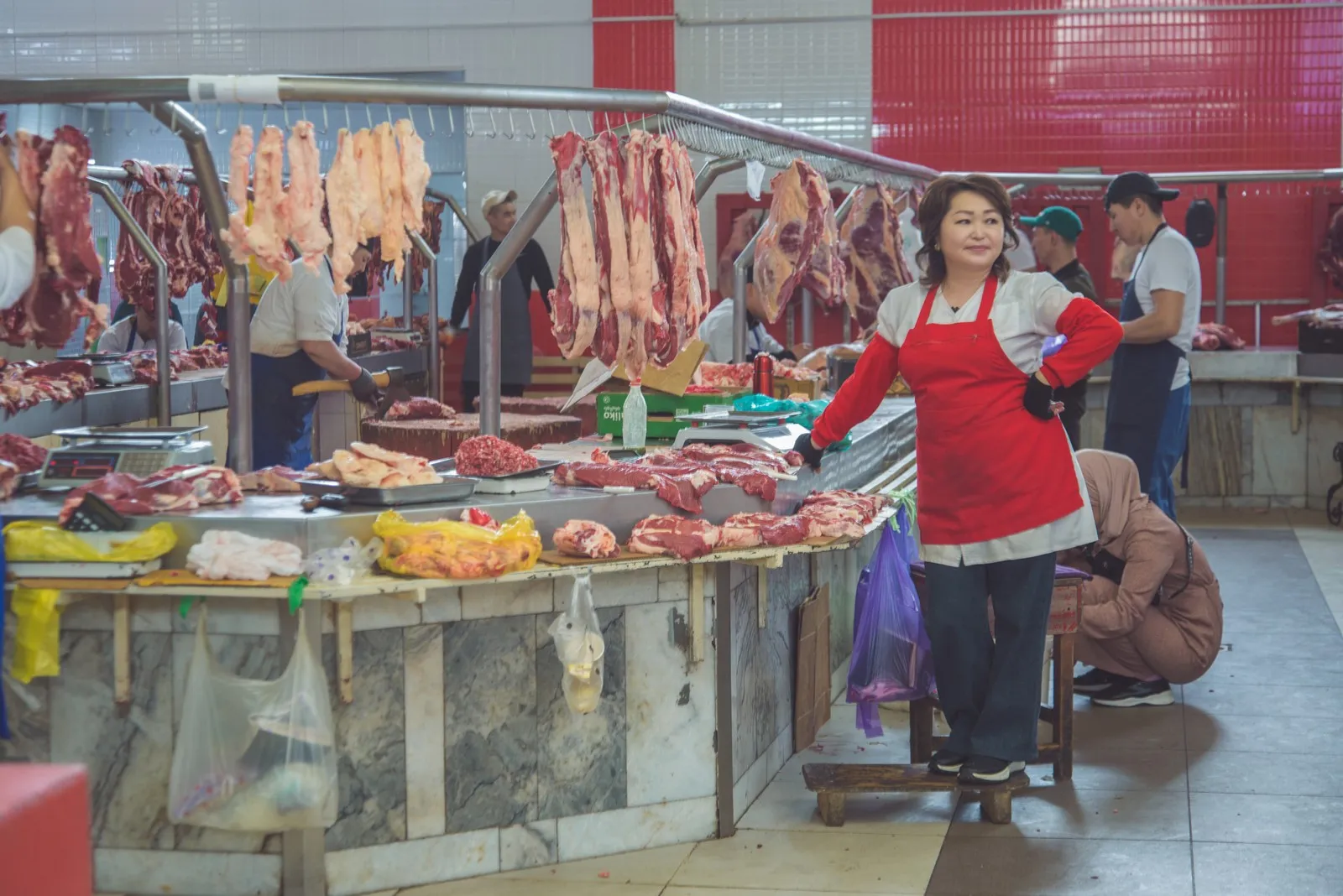
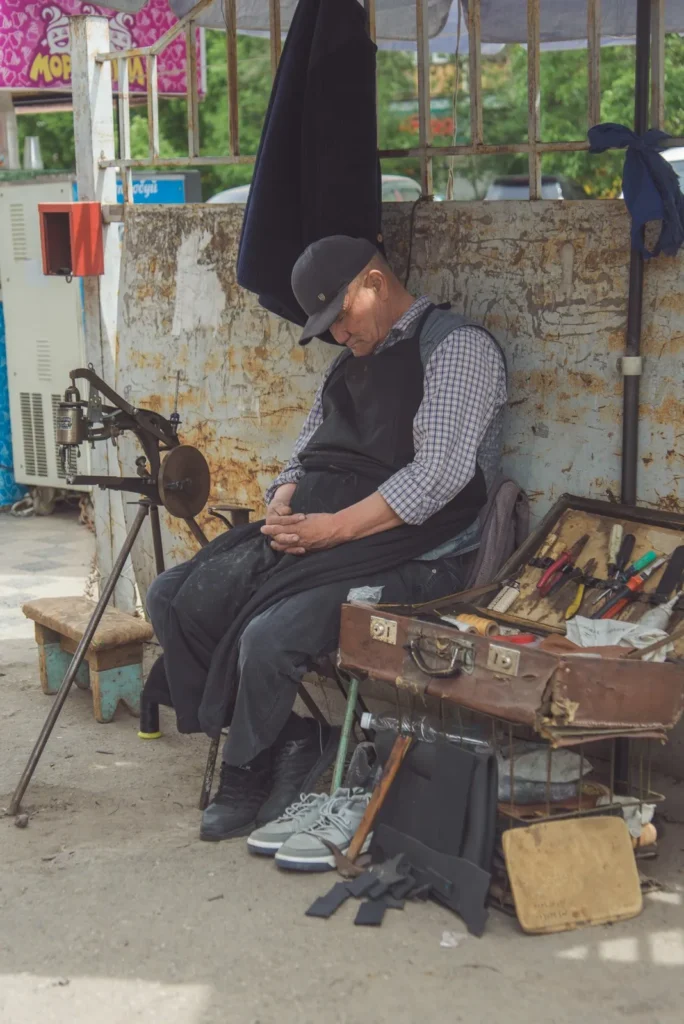
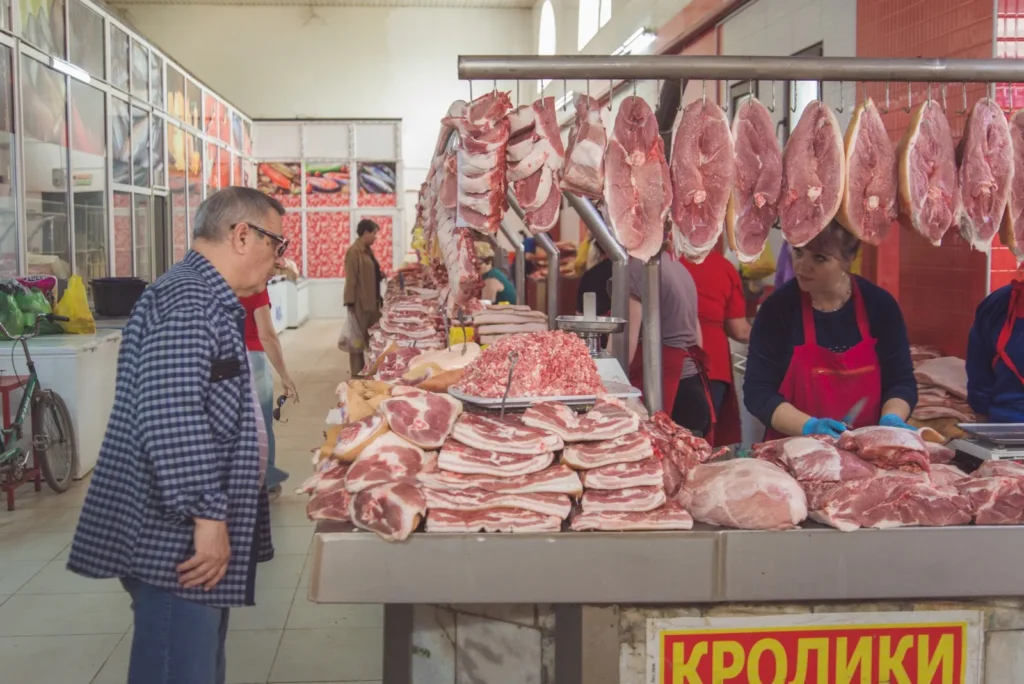
Bright stalls, endless crowds — Osh Bazaar is always in motion. You can buy fresh produce, shop for clothes, fix your shoes, get a haircut, or even book eyelash extensions. It’s loud, cheerful, and full of energy. And the vendors, with their trademark Central Asian hospitality, are friendly, open, and usually happy to pose for photos.

Ironically, the very scale that made Osh Bazaar famous also turned into its biggest problem. As it expanded, traffic around it grew worse and worse. For Bishkek — a city already stuck in daily, miles-long traffic jams — it became too much. So the decision was made to move the market outside the city.
Soon, this joyful chaos will be gone. In the spring of 2026, Osh Bazaar is scheduled to be demolished. A park is planned for the site, while part of the historic covered pavilion is expected to remain — preserved as a reminder of the market that once defined this part of the city.

Photos by Ravshan Kazakov
Text by Yulia Zemtsova