Most people imagine the perfect place to live in remarkably similar ways
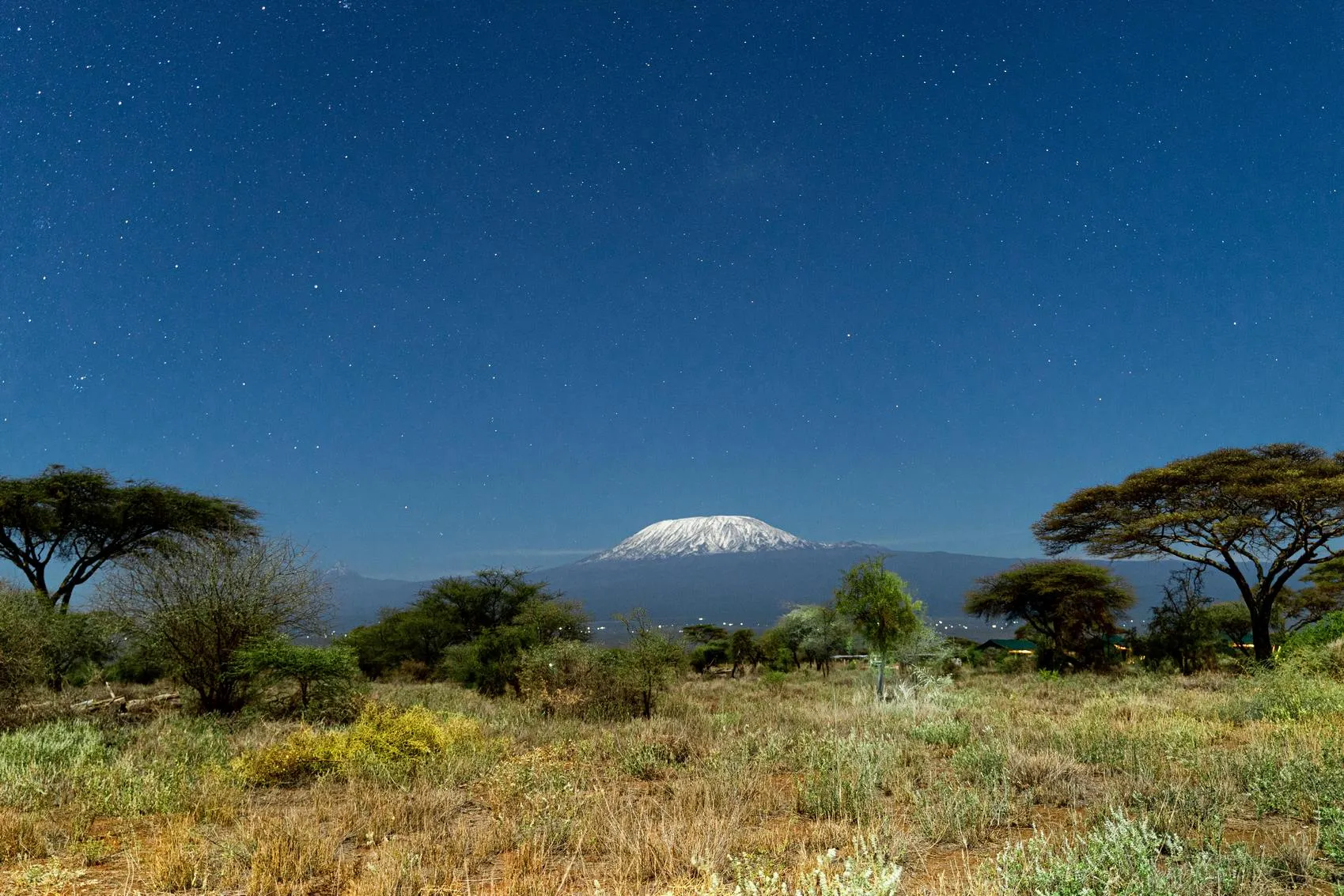
Wide open spaces, sunlight, a few sprawling trees, soft grass, a body of water (lake, river, or sea), and an unobstructed view of the surroundings — this is how people of different ages, religions, and regions describe their vision of paradise.
The researchers behind this study asked participants from six age groups (8, 11, 15, 18, 35, and 70+) to describe their ideal paradise landscape, and the majority of responses were strikingly similar. Open space, sparse yet evidently fertile vegetation, gentle transitions without sharp contrasts, and proximity to water — this is the kind of landscape many of us (especially children) instinctively perceive as most harmonious. Judging by the descriptions, that landscape is the African savanna.

Back in 1982, psychologists Jane Bolling and John Falk conducted a study in which they showed children and adults from various countries a series of images of natural landscapes — from snowy mountains to swampy forests — and asked them to pick the ones that could be the ideal place to live. Most respondents preferred environments resembling tropical plains. The results clearly demonstrated that savanna-like settings are more appealing to people than other types. In other words, we all carry roughly the same mental image of a “standard” paradise.
Interestingly, none of the participants had ever actually visited the tropical plains of Africa. The researchers therefore suggested that humans may possess innate, hardwired preferences, which can later be modified by personal experience.
As participants’ ages increased, their preferences became more varied. Teenagers, for example, going through puberty, were more likely to describe mountains and dense forests as paradisiacal, adding a sense of complexity and drama to their vision of paradise. Meanwhile, younger children — who had hardly traveled — almost unanimously chose savanna landscapes as their ideal.
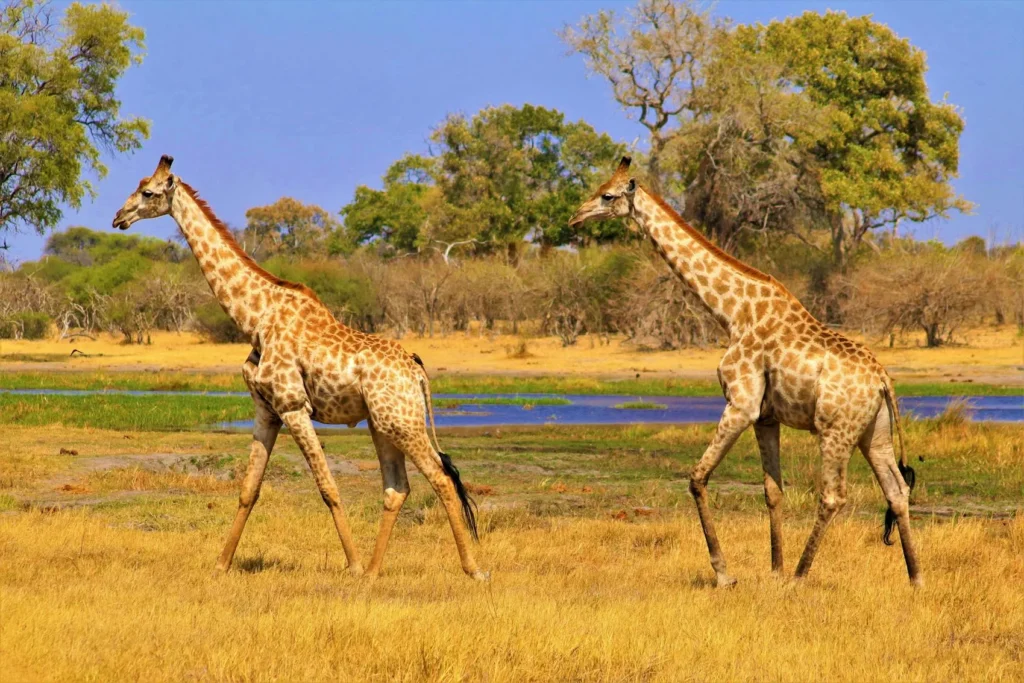
These findings became a cornerstone of the so-called “savanna hypothesis.” According to it, our aesthetic preferences are shaped not only by culture and civilization but also by echoes of ancient experience. The open spaces of East African savannas, after all, provided our prehistoric ancestors with the best chances of survival: they could find food and shelter, spot approaching predators from a distance, and live without enduring extreme cold or drought.
It was in the savanna, long ago, that the fundamental ideas of comfort and safety took root — ideas that later became deeply embedded in the human psyche. This means that our love for “paradise-like” landscapes is not merely a matter of taste, but a remnant of ancient collective memory of the ideal conditions for life.
Text by Yulia Zemtsova
Cover photo by Ken Mwaura
Translated from Russian by Sofia Zemtsova