
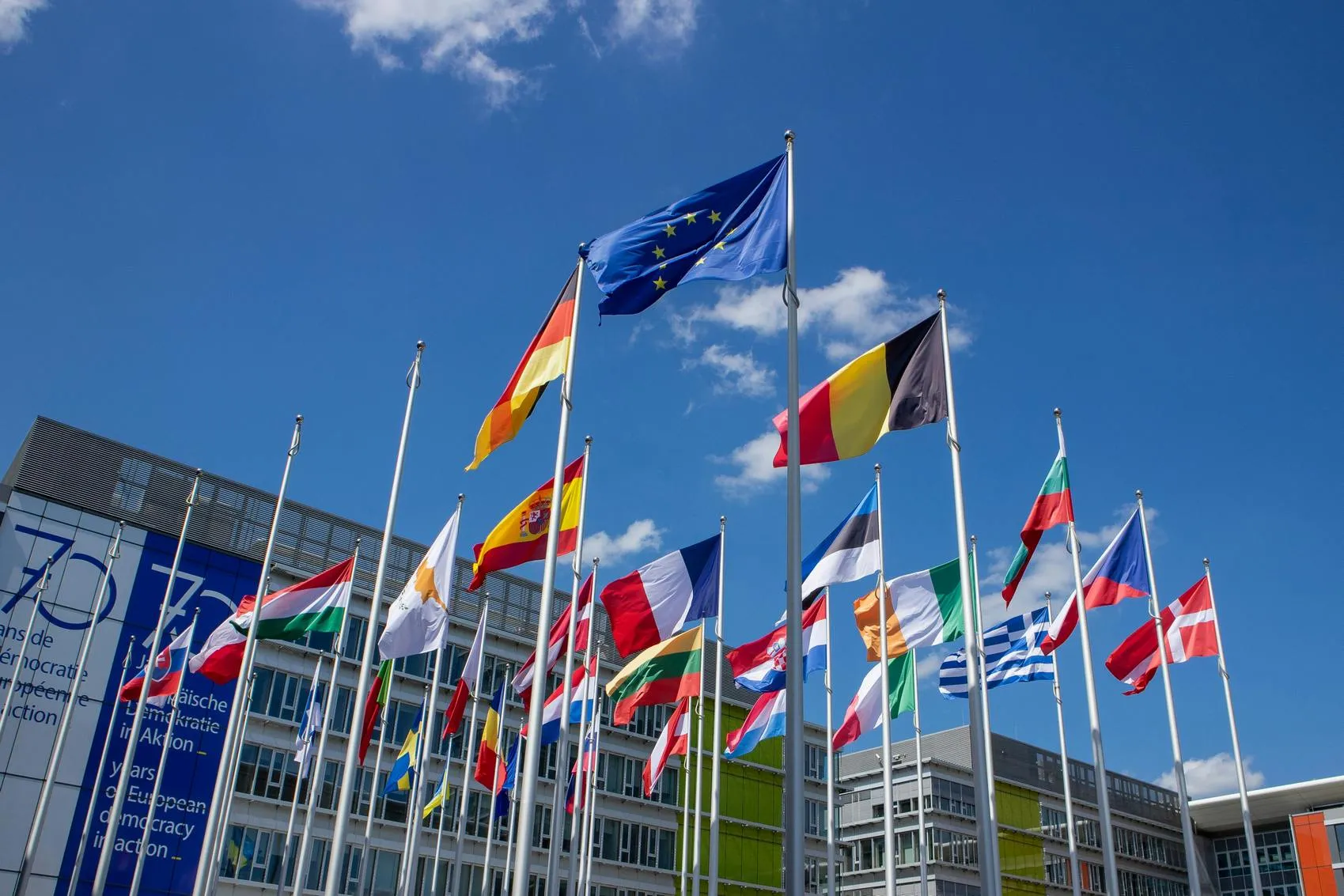
A flag is one of the key symbols of any state. And although its purpose is to indicate national affiliation and help distinguish “us” from “them,” many national flags look remarkably similar.
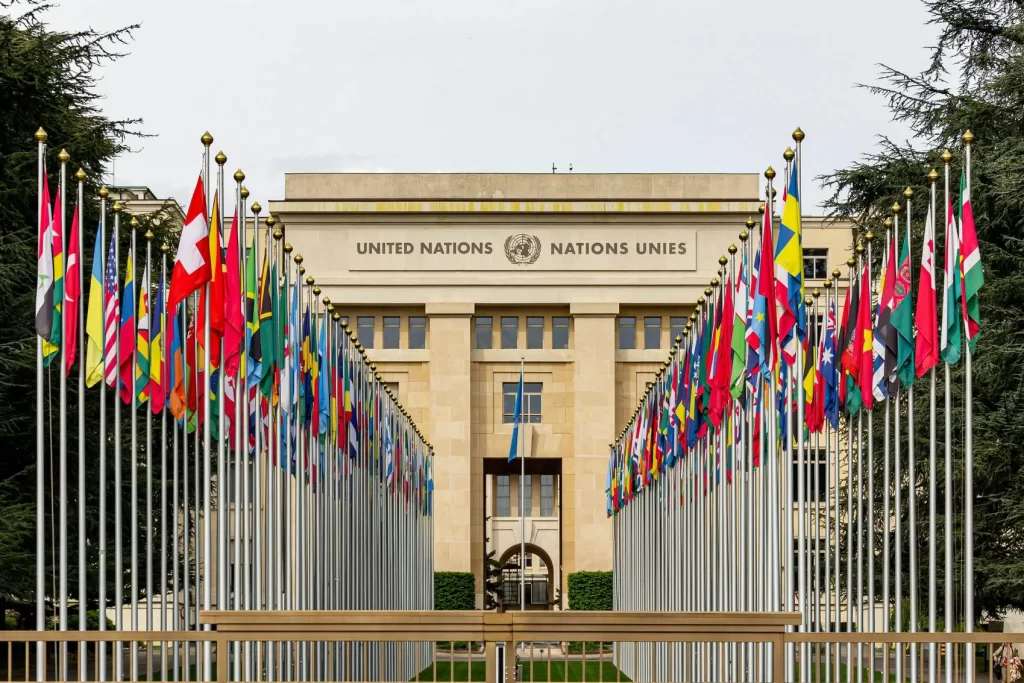
Among the 193 national flags that, according to the UN, exist in the world today, tricolor designs are the most common. They make up nearly 39% of all flags. Next in popularity are four-color flags (23%), followed closely by two-color flags (about 22%).
However, not all countries are so modest in their choice of how many colors to include on their flag. There are also five-color national flags (around 7%) and even eight-color ones (1%).
The most popular color is red: it appears on the flags of almost 77% of all countries. It is followed by white (nearly 73%) and blue (53%). As we can see, the Russian flag consists of the world’s most common colors — which means an average foreigner has a fairly high chance of confusing it with another flag.
In fourth place among flag colors is yellow or gold (46%), followed by green (45%). Black appears on nearly every third national flag (30.7%).
If we look not only at which colors appear on flags but also at the proportion of a flag’s area each color occupies, the picture becomes even more interesting. On average, red accounts for about 30% of the total color distribution on the world’s flags, blue for 21%, and white for 19%. They are followed by green and yellow (15% and 8%, respectively).
The whitest flag is that of Cyprus, with white covering more than 92% of its area. The blackest is the flag of Papua New Guinea (49.60% black). China has the world’s reddest flag (over 97% red), while Micronesia has the bluest (98.5%). The greenest flag is that of Saudi Arabia (95% green), and the yellowest belongs to Brunei (54.6% yellow).
Text by Yulia Zemtsova
Cover photo by Gintare K.
Translated from Russian by Sofia Zemtsova