

Want to get a truly good night’s sleep? Travel to India, Thailand, or France. According to the Global Sleep Survey conducted by Australian company ResMed, in collaboration with the McKinsey Health Institute and the Association of Professional Sleep Societies (APSS), these countries top the list for quality sleep. In India, France, and Thailand, 42%, 42%, and 41% of people, respectively, fall asleep easily and sleep soundly through the night.
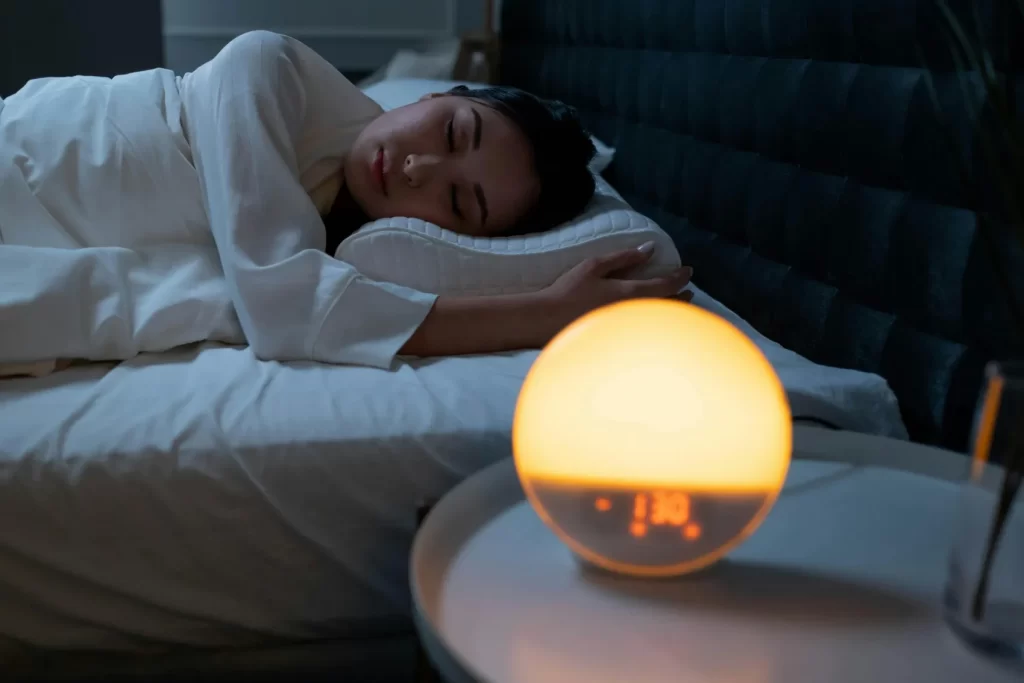
To fully recover from daily stresses, the human body generally needs 8–9 hours of quality sleep. In practice, however, such consistent rest is a luxury for most. Researchers who surveyed 36,000 people found that in 14 of the 17 countries studied, people sleep less than the recommended amount.
Japanese people are the least likely to get enough sleep: more than half (57%) reported having only one or two nights of adequate rest per week—or none at all. The situation is slightly better in the UK, where 47% struggle with chronic sleep problems, followed by New Zealand (46%) and Australia (45%).
A Complex Issue
The findings show that sleep deprivation is a genuine scourge of modern life. Globally, only one in four people (25%) can fall asleep easily—closing their eyes and sleeping uninterrupted through the night. Nearly 40% report that they manage to sleep well only once or twice a week.
Anxiety is the main cause of sleep problems, cited by 42% of respondents worldwide. Workplace stress comes second (27%), followed by financial worries. Anxiety most commonly disrupts sleep in Brazil (60%) and China (52%), and least in Germany (16%) and South Korea (25%).
Work-related stress affects sleep most in China (43%) and India (42%), and least in the UK and the US (17% each). Financial concerns keep people awake most in Brazil (39%) and the US (33%), and least in South Korea (13%) and Japan (14%).
Adding to the problem, more than half of respondents worldwide use gadgets right before bedtime, which can further interfere with sleep. About 62% spend up to 30 minutes on mobile devices before sleeping, and 51% scroll through feeds or messages while in bed.

The Source of Superpowers
To highlight the importance of sleep, researchers note that a restful night can turn an ordinary person into a superhero. Globally, 60% of respondents feel noticeably more productive at work after a good night’s sleep, citing better focus, increased efficiency, and a more positive mindset. Moreover, 89% associate quality sleep with overall wellbeing, and 83% link it to creative thinking.
This is why people around the world are actively seeking ways to improve their sleep. A new trend, “sleep tourism,” is gaining traction. According to the survey, 19% have already traveled specifically for rest and relaxation, and 8% are seriously considering it.
For those who can’t yet travel to sleep-friendly destinations, modern technology can help. Currently, 36% of respondents track their sleep using apps or devices, 67% of them regularly.
People who monitor their sleep also consciously adjust bedtime habits: wearing more comfortable clothing, practicing meditation or breathing exercises before bed, and avoiding caffeine. The highest percentages of sleep-conscious individuals are in India (68%), Thailand (68%), and China (52%), while Japan (9%), France (19%), and the UK (20%) pay the least attention to their sleep routines.
Text by Yulia Zemtsova
Cover photo by SHVETS production