

Who’s Leading the Race for a Longer Life?
Life expectancy is a mirror reflecting both a nation’s health and the effectiveness of its healthcare system. In the early 2020s, the world faced its first pandemic of the century. While it did cause statistical fluctuations, it did not break the long-term global trend: life expectancy continues to rise. According to Worldometers.info, in 2025 the global average life expectancy is 73.5 years — 76 years for women and 71 years for men.
It’s hard to believe, but just 65 years ago, in 1960, this figure didn’t even reach 50: men lived on average to 46, and women to 49. Since then, humanity has come a long way, significantly extending the human lifespan — and fortunately, there is no sign this progress is slowing.
However, despite steady improvement, not all countries can boast major success in longevity. Even today, in roughly 30% of countries people live on average less than 70 years, and in 3% — less than 60.
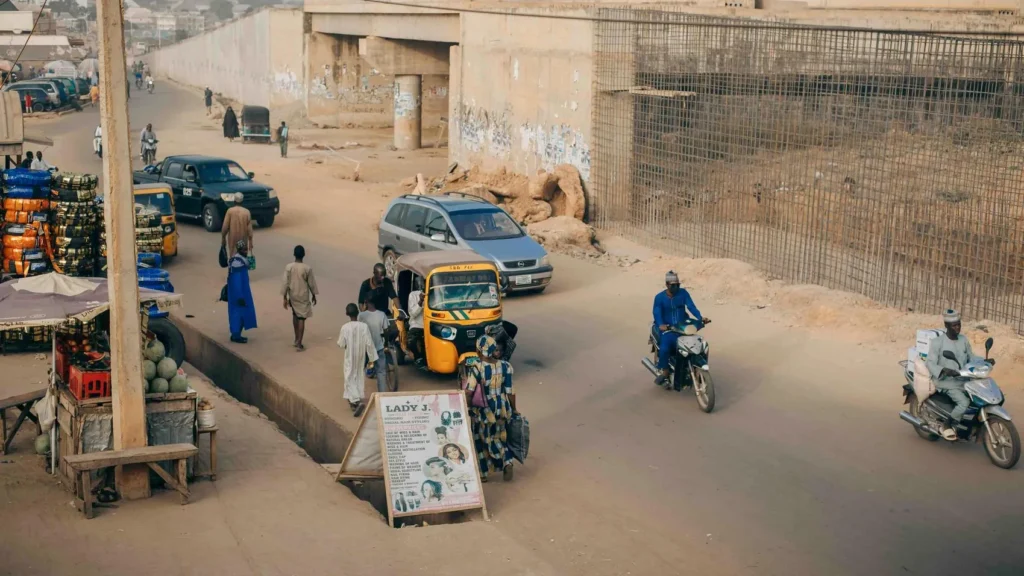
The lowest life expectancy is in Nigeria, where in 2025 it stands at just 54 years. Chad (55), South Sudan (57.8), the Central African Republic (57.9), Lesotho (58), and Somalia (59) face similarly difficult situations.
Meanwhile, the global leaders in longevity are Hong Kong (85.7 years) and Japan (85 years). Only these two places crossed the 85-year threshold in 2025. For reference, Hong Kong’s life expectancy was 84.7 years in 2020 — which means that in just five years, its residents began living, on average, a full year longer.
Rounding out the top five longest-living populations are South Korea (84.5 years), French Polynesia (84.3), and Switzerland (84.23). To be fair, Australia (84.21) is virtually at the same level, ranking sixth in 2025.

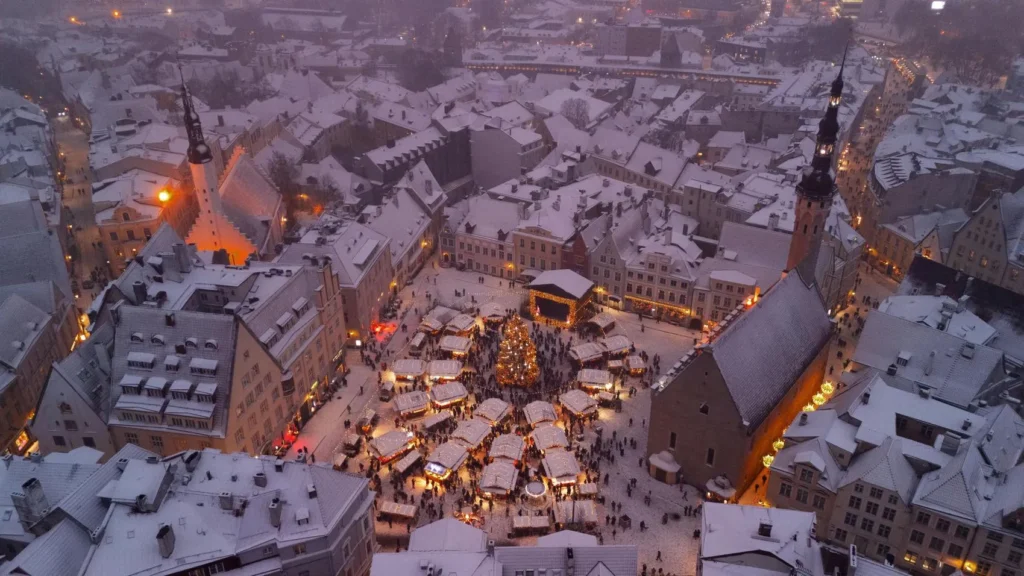
Among post-Soviet states, Estonia leads in 2025 with a life expectancy of 79.5 years. It is followed by Latvia (76.5), Lithuania (76.3), Armenia (76), Ukraine (74.8), Georgia (74.8), Belarus (74.8), Azerbaijan (74.7), Kazakhstan (74.6), Russia (73.5), Uzbekistan (72.6), Tajikistan (72), Kyrgyzstan (71.9), Moldova (71.4), and Turkmenistan (70.3).
Interestingly, Russia is nearly on par with Bhutan (73.5 years) — the country known for having some of the world’s happiest people and even its own Ministry of Happiness.
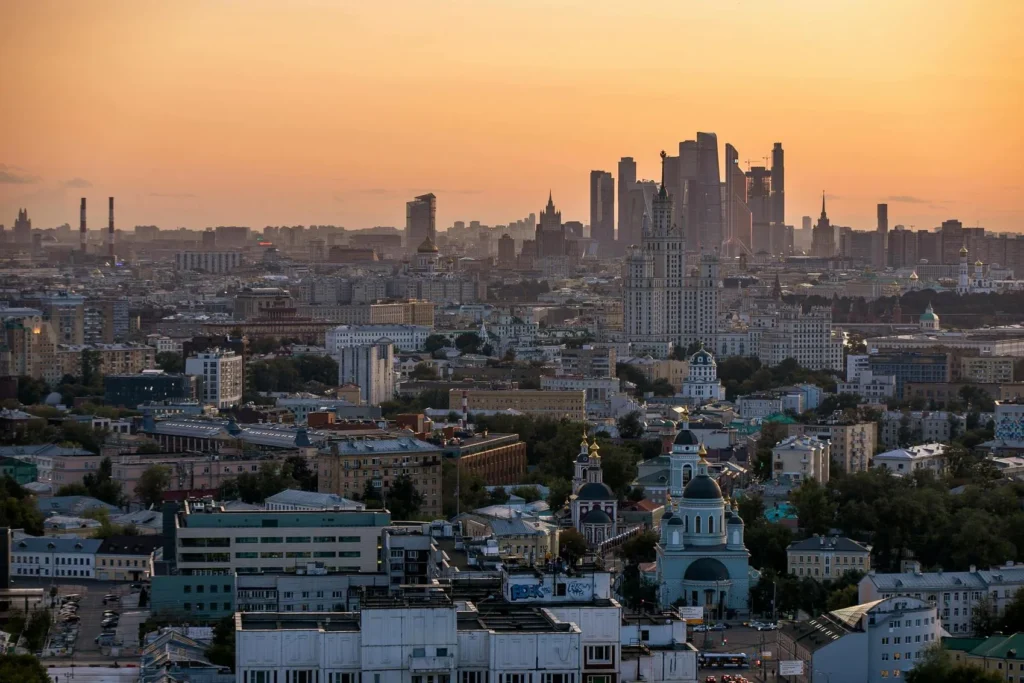
Over the past few decades, former USSR countries have significantly accelerated growth in life expectancy — largely thanks to economic development and improvements in healthcare. However, demographers note that one major factor still prevents them from rising higher: a substantial gender gap in life expectancy. In Russia, according to Worldometers.info, the gap is 12 years — an abnormally high figure, given that the global average is around 4–5 years. Russian men live on average to 67.7, while women reach 79.3. A similar situation is observed in Kazakhstan, where the gap is also extremely wide at more than 8 years (70.4 for men and 78.6 for women).
Researchers believe that narrowing this gap will inevitably lead to a further increase in average life expectancy in these countries — indicating that life there has become safer and more comfortable.
Text by Yulia Zemtsova
Cover photo by Alex Green
Translated from Russian by Sofia Zemtsova