
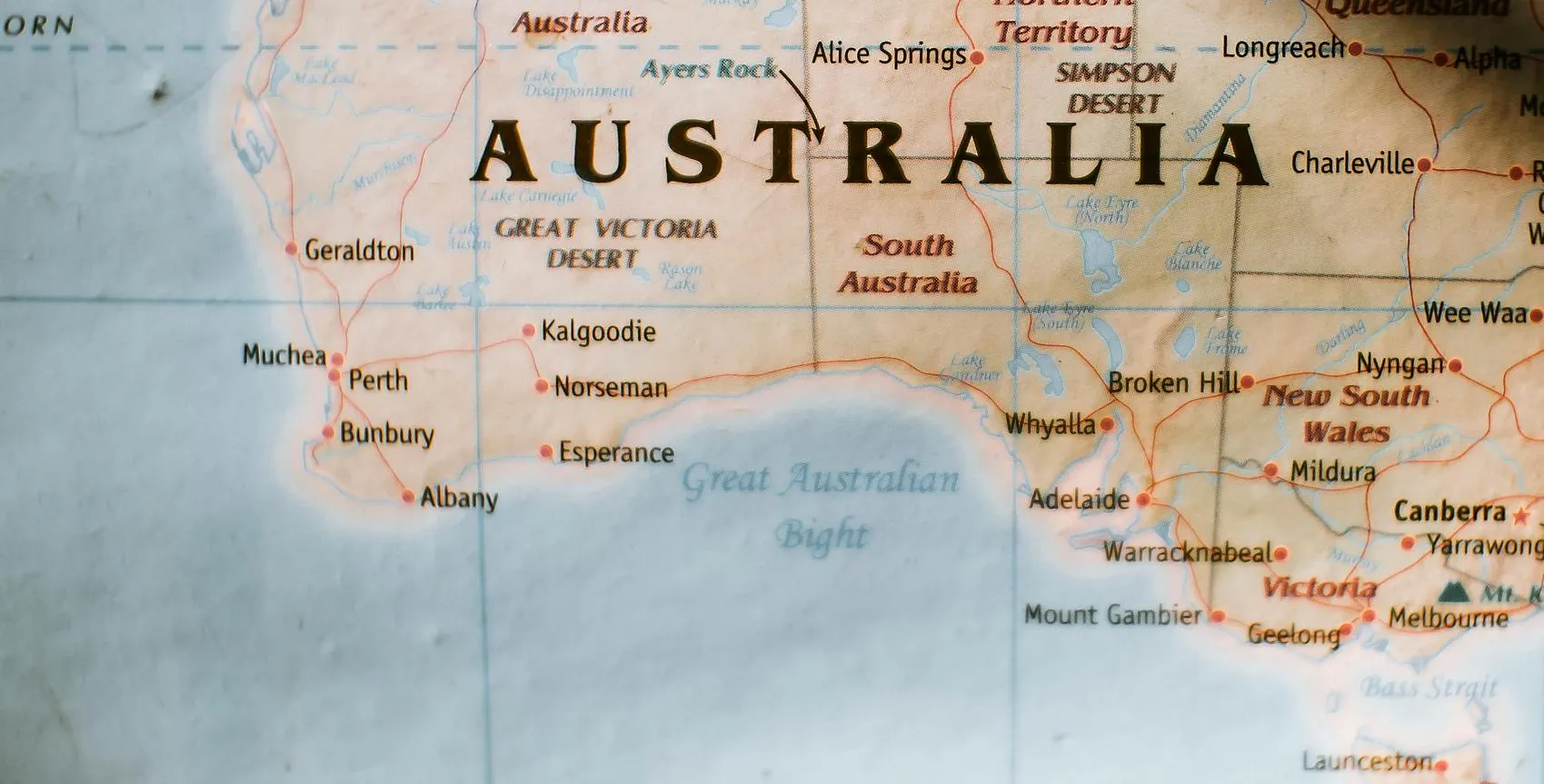
When traveling across Australia, it’s important to always keep track of the time. Although the continent isn’t particularly large, it spans three geographic time zones and as many as six administrative ones.
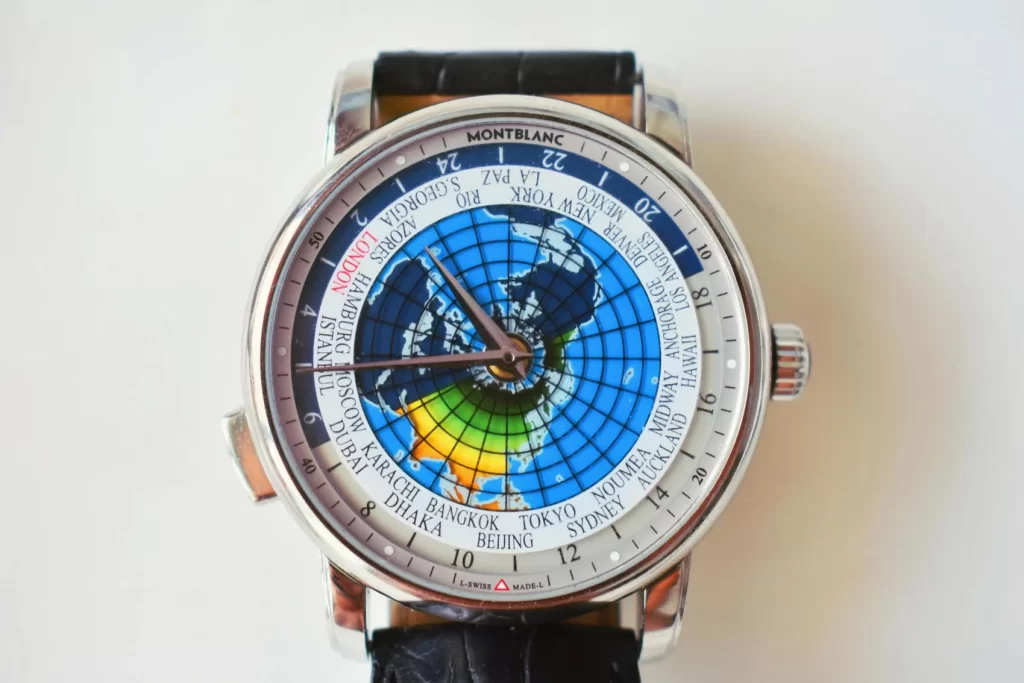
Geographic time zones are theoretical vertical strips, 15 degrees wide, running along meridians from north to south. The time difference between them is exactly one hour. Administrative time zones, however, are set by local authorities, and in practice, the official time can easily be adjusted in either direction.
Australia has no nationwide law regulating the switch between standard and daylight saving time. Each state decides independently, so neighboring regions can find themselves in the same or different time zones at various points in the year.
Time zones usually differ by whole hours, plus or minus a few. However, in Australia, differences can even be measured in minutes. For example, when it’s midnight in the central part of the continent, some villages in the southwest experience only 12:15 a.m. This Central Western Standard Time — 8 hours 45 minutes ahead of Greenwich Mean Time — is used by a handful of small settlements totaling around 200 residents. It is the smallest time zone in the world.
A 90-minute difference between regions is also typical in Australian states and islands. For example, the area observing Western Standard Time (+8 GMT) is followed by a region on Central Standard Time (+9:30 GMT), which in turn is followed by territories on Eastern Standard Time (+10 GMT).
Daylight saving time in some states adds even more complexity. For instance, Lord Howe Island, which observes GMT+10:30 in winter, advances the clock by only half an hour in summer, making its time 11 hours ahead of Greenwich.
Text by Yulia Zemtsova
Cover photo by Nothing Ahead
Translated from Russian by Sofia Zemtsova