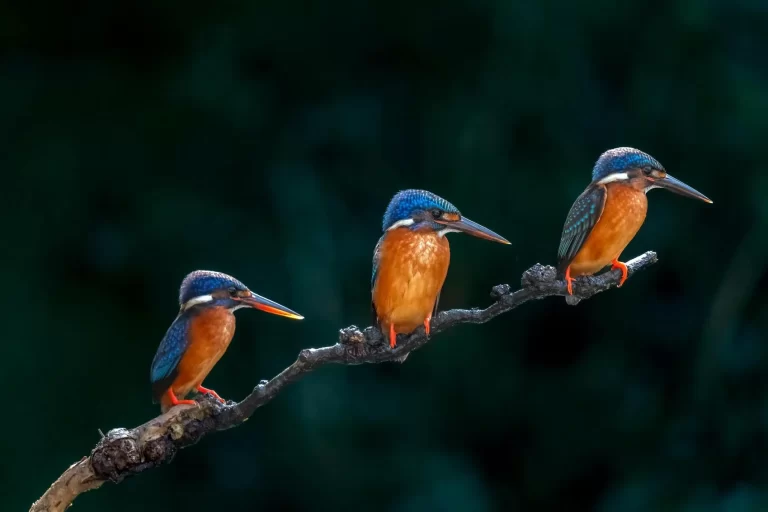

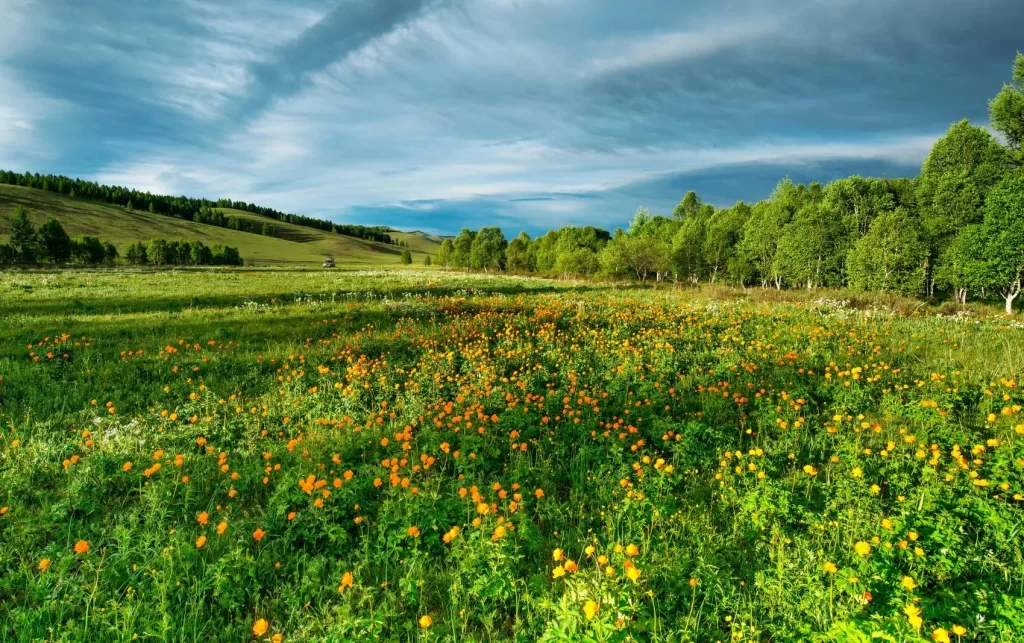
The riot of a meadow in July is an astonishing sight. Photographers and travelers often chase a mythical bluebird, not noticing the beauty raging right beside them.
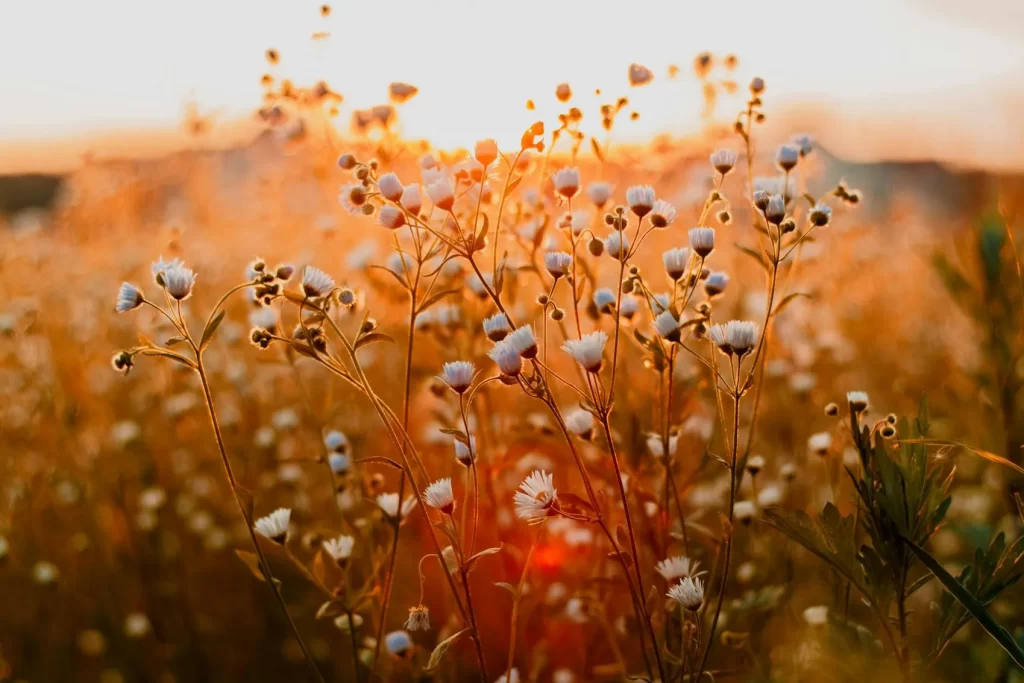
Meadow ecosystems are considered some of the most biologically diverse, which is why the same summer meadow will look different from year to year. What’s more, a meadow’s landscape changes even month to month: spring grasses finish blooming, summer species begin, and one overall color gives way to another.
Surprisingly, much of a meadow’s brightness and diversity is owed to humans — more precisely, to agricultural activity. Since ancient times, people have cut down forests to cultivate land, cleared areas for sowing, and grazed livestock. For a meadow ecosystem to function normally, human involvement is often essential. Mowing or grazing plays a decisive role in forming biodiversity. By mowing, a balance is maintained between dominant plants and their more modest neighbors. It’s like human society: the taller and stronger often fall under the scythe first, making way for less vigorous plants that haven’t yet grown as tall.
Often a meadow ecosystem is even more diverse than a forest. Mowing, just like year-to-year weather variation, strongly affects it, and it is constantly changing, residing in a so-called dynamic equilibrium. For example, in dry years certain plant species dominate, which increases the numbers of animals and insects associated with them. But the next year the weather may change — and completely different dominants will appear in the meadows. That is why hay meadows are floristically rich.
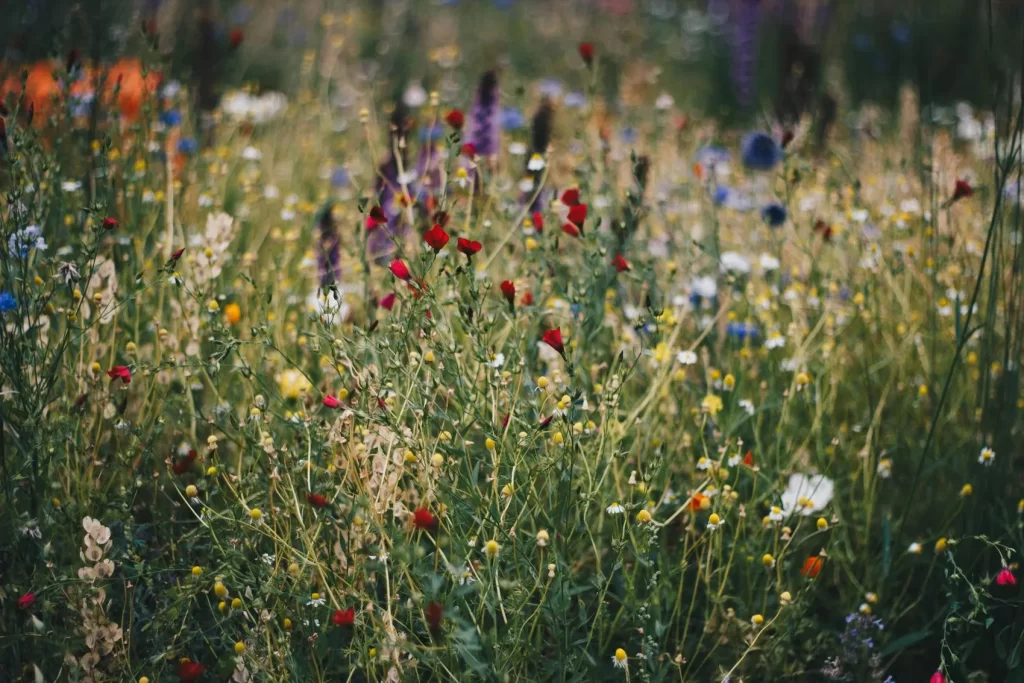
In one study, Russian scientists observed a waterlogged meadow. It was mowed unevenly — different parts at different times and with different intensity. As a result, six completely distinct meadow types formed within the same area. Each was dominated by different plants; the overall species composition changed. Meadow communities are extremely dynamic.
There are also primary meadows — those formed without human involvement. These include alpine meadows and floodplain meadows along major rivers.
How quickly can a meadow turn into a forest? If it’s a grazed meadow, it may take ten years or more. Hay meadows transform faster: leave them unmown for two or three years and shrubs and tall, stiff grasses appear, making mowing very difficult or even impossible.
Meadows most often become overgrown with alder. Some biologists even call alder the “tree of social catastrophes.” When a country’s economic situation worsens, people stop cultivating land at previous scales. Meadows go untended, livestock numbers fall, grazing decreases — and meadows rapidly become overgrown with trees, among which alder is one of the most aggressive.
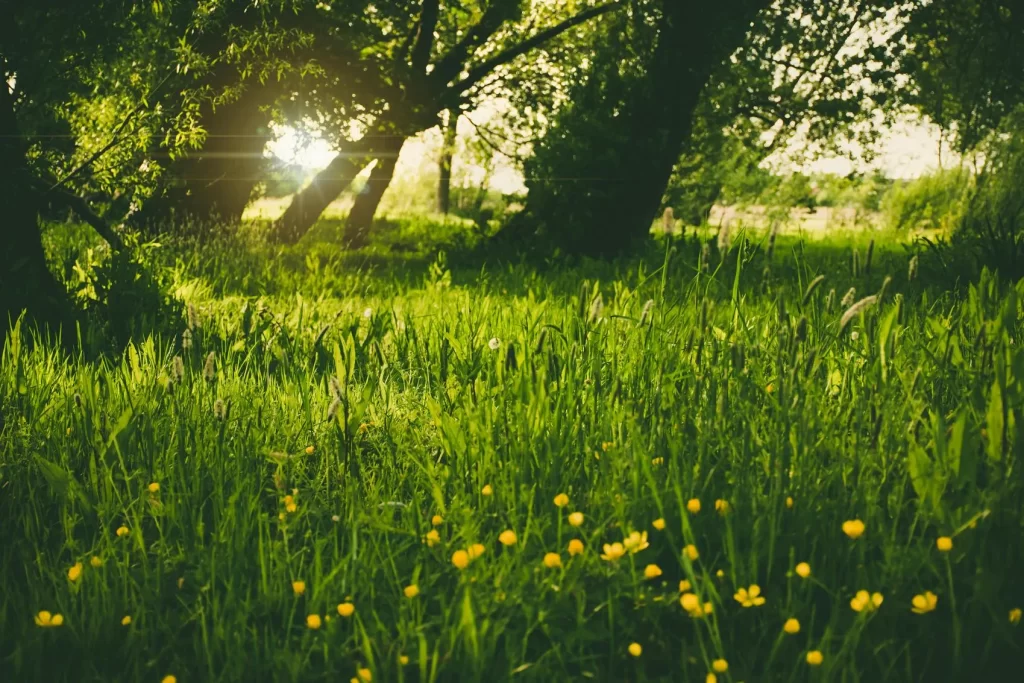
When mowing and grazing stop, we lose many species of plants and animals. Meadows cannot be protected simply by fencing them off and doing nothing. Protecting them means maintaining traditional types of land use. Only this will help preserve meadow ecosystems.
Animals and insects play a crucial role in plant life. Moles and mice disturb the soil surface, loosening and mixing it, which helps plants take root. Hoofed animals eat dominant species and allow rarer ones to grow. Insects are primarily pollinators — without them, many flowers would simply die. They also disperse spores of various fungi that are vital to some plant species. Without such a wide array of species, meadow ecosystems cannot exist.
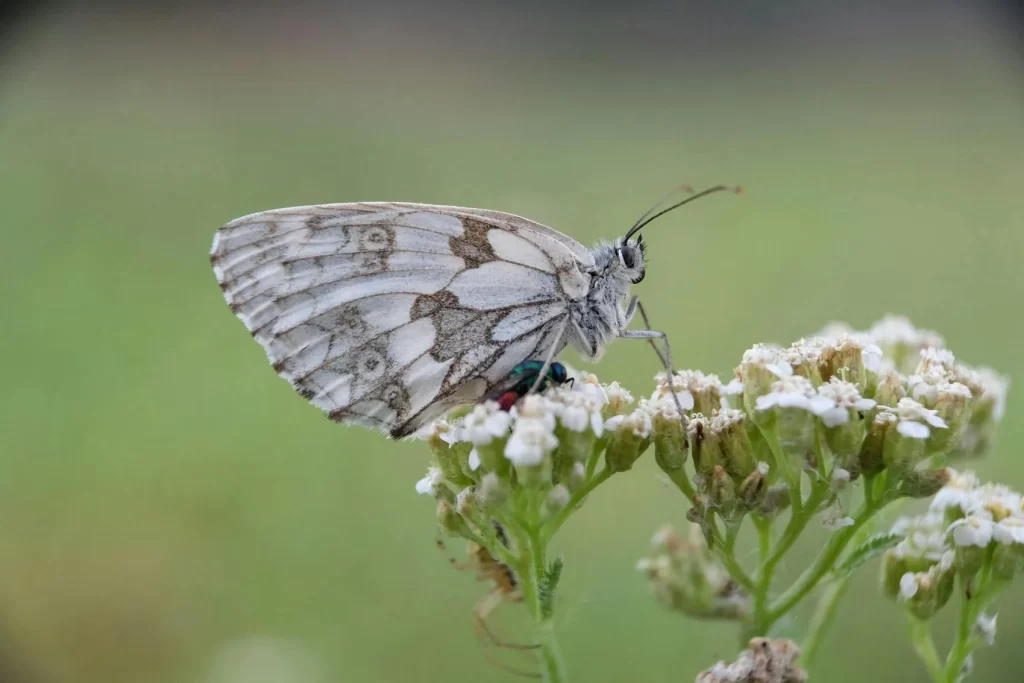
Today, many farmers try to make crop fields more meadow-like to promote floral richness and increase animal and insect diversity. In Switzerland, this is already common practice: fields include two- to three-meter strips sown with meadow plants and even weedy species specifically to support insects — predators, pollinators, ground beetles, and so on. They roam the fields and destroy agricultural pests. This kind of artificial maintenance benefits everything: flowering plants are preserved, the need for chemicals falls, and yields increase.
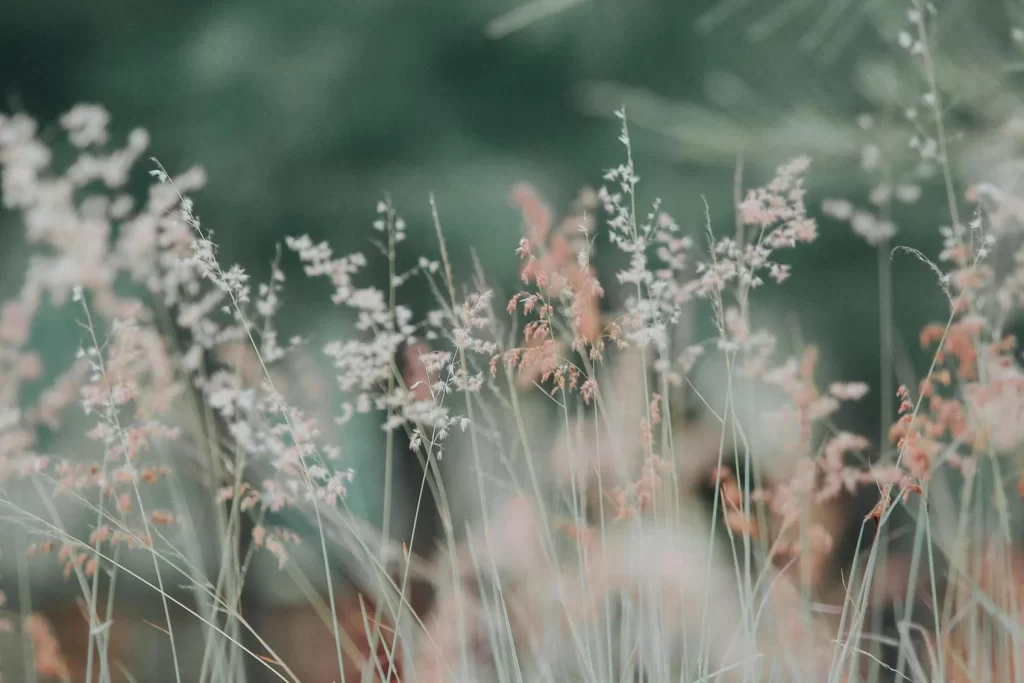
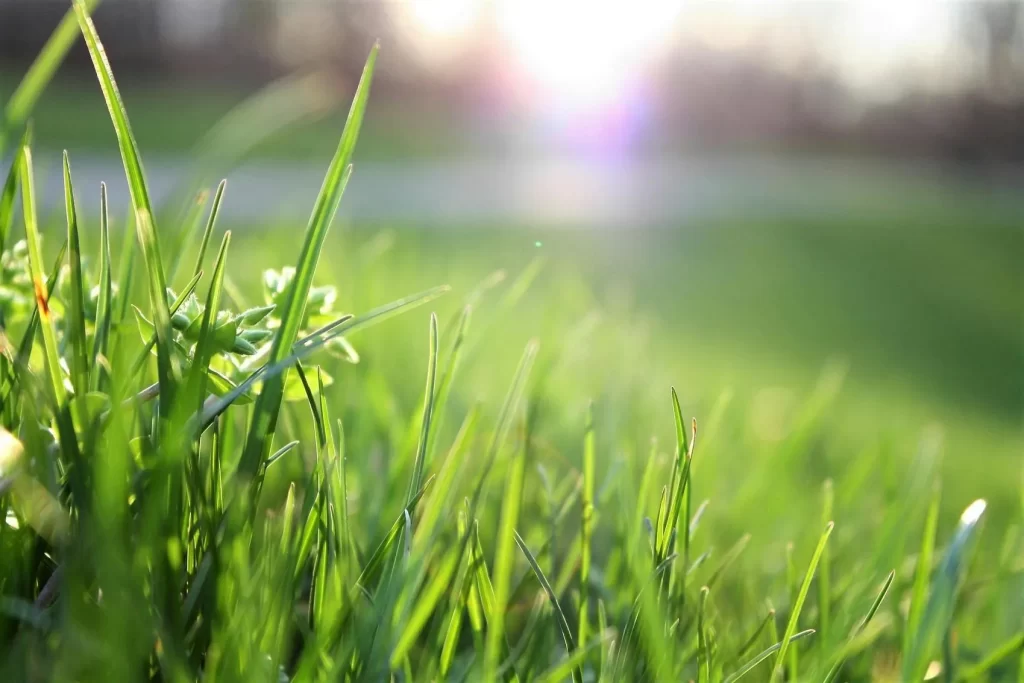
Photographing landscapes is not the same as photographing flowers. Morning dew can be heavy, so you need to come in waterproof boots. In search of a shot you often have to crawl on your knees or even lie flat on your stomach to capture something at ground level. Even on a sunny day, a raincoat is essential.
The best time to photograph meadows is early morning, just as dawn begins. In July, nature shoots typically take place from about four to six a.m., while natural light still retains its morning softness. A bit later, the light becomes bright and contrasty, and then unique shots become much harder to get. After all, a photographer’s work is all about finding the light — and chasing it.
Text by Yulia Zemtsova
Cover photo by FOX ^.ᆽ.^= ∫
Translated from Russian by Sofia Zemtsova