The spring equinox is one of humanity’s oldest celebrations
The spring equinox is one of the few moments on Earth celebrated at the same time by hundreds of cultures, across different languages and religions. It is the point when the year fully turns toward the light, and the days begin to grow longer than the nights.
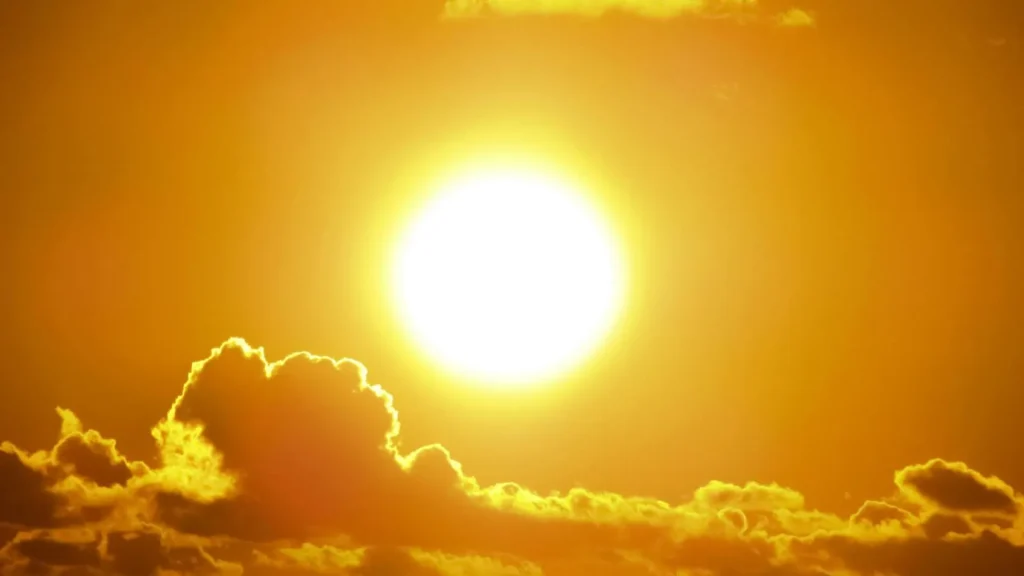
This is not just a date on a calendar. It is a precise astronomical event, a celebration directly tied to a cosmic cycle. Research shows that as early as the 5th to 3rd millennia BCE, people in the regions of Iran and Central Asia were already observing this day and setting it apart.
For nomadic Tengrian cultures, this time meant the renewal of pastures, the birth of livestock, and preparation for migration. Rituals honoring the turning of the solar wheel included symbolic offerings and fire ceremonies to bless the new cycle of life. Ethnographic records from the 19th and 20th centuries confirm this.
In Mesopotamia, in Sumer, Akkad, and Babylon, the solar and agricultural calendar was at the heart of religious life. The spring equinox was linked to goddesses of fertility such as Inanna and Ishtar. Celebrations included rites of renewal and purification, marking the beginning of a new agricultural year, as we know from cuneiform texts and temple records.
In the Islamic world, the equinox festival came from Zoroastrian tradition. Early Iranian texts from the first centuries CE mention it, and in Pahlavi sources of the Sasanian period it is called “nōg rōz,” meaning “new day.” In this tradition, it marked the beginning of a new cosmic cycle. Later Persian legends say that on this day the mythical king Jamshid ascended the throne, which is why the celebration became known as Nowruz, the New Day. This version appears in the epic Shahnameh.
In Sogdiana, in what is now Uzbekistan, Tajikistan, and the Fergana Valley, this day was celebrated as the New Year as early as the first millennium CE. Written sources describe fire rituals, offerings, and ceremonial songs, which later became part of the Nowruz tradition.
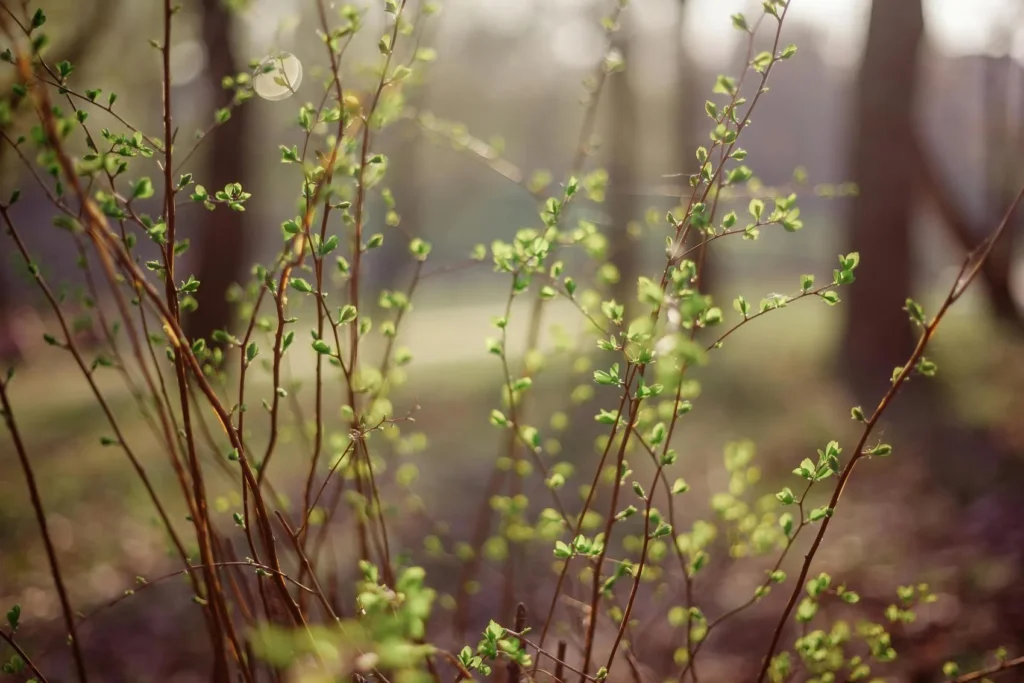
In the modern world, the spring equinox is often known as Ostara, named after the Germanic goddess of dawn and spring, Eostre. Her name is also the root of the English word Easter, as well as “east.”
Ostara is a moment of balance and harmony. A beginning of growth and emergence. A quiet affirmation of life. A time to set new intentions and move forward with clarity and strength.
And the wish for this day is simple:
May the returning light awaken new life.
Blessed Ostara!
Text by Yulia Zemtsova
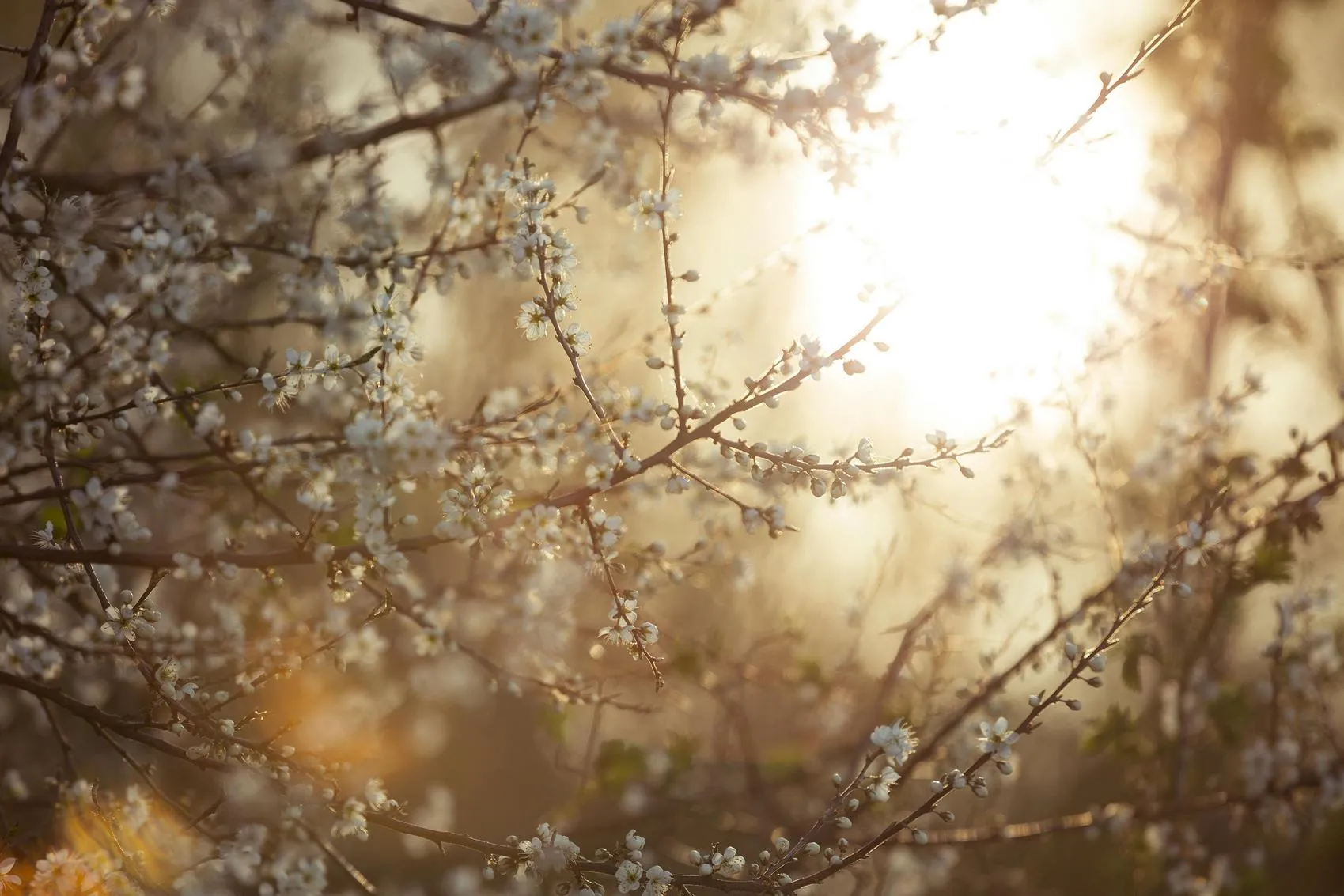
Cover photo by Thomas Wenzel-Jensch