Orthodox miracle, woven from symbols of Mithraism, Zoroastrianism, Greek antiquity, and the Middle East
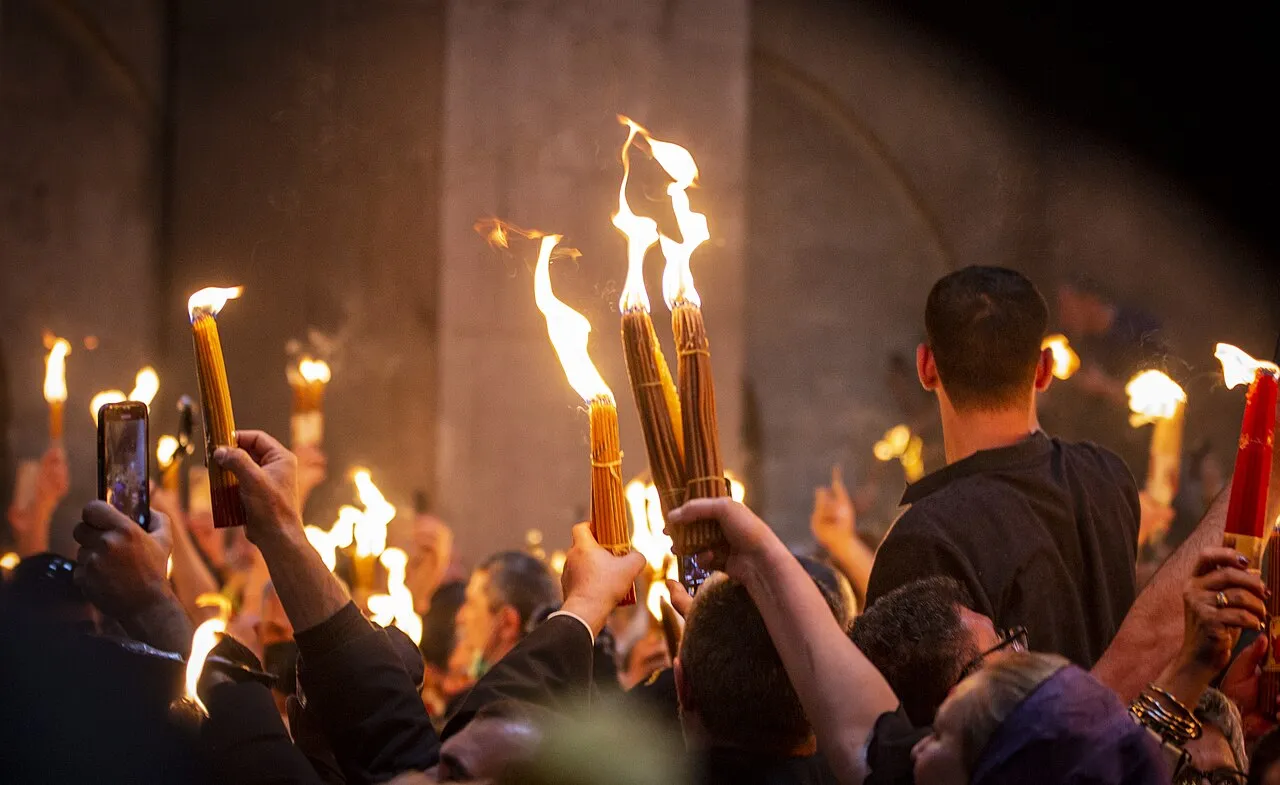
Every year on the eve of Orthodox Easter in Jerusalem, the miracle of the Holy Fire takes place, watched by millions. In 2026, the Church of the Holy Sepulchre is closed to pilgrims, and believers will not be able to take part in this ceremony. However, the ritual itself will still take place.
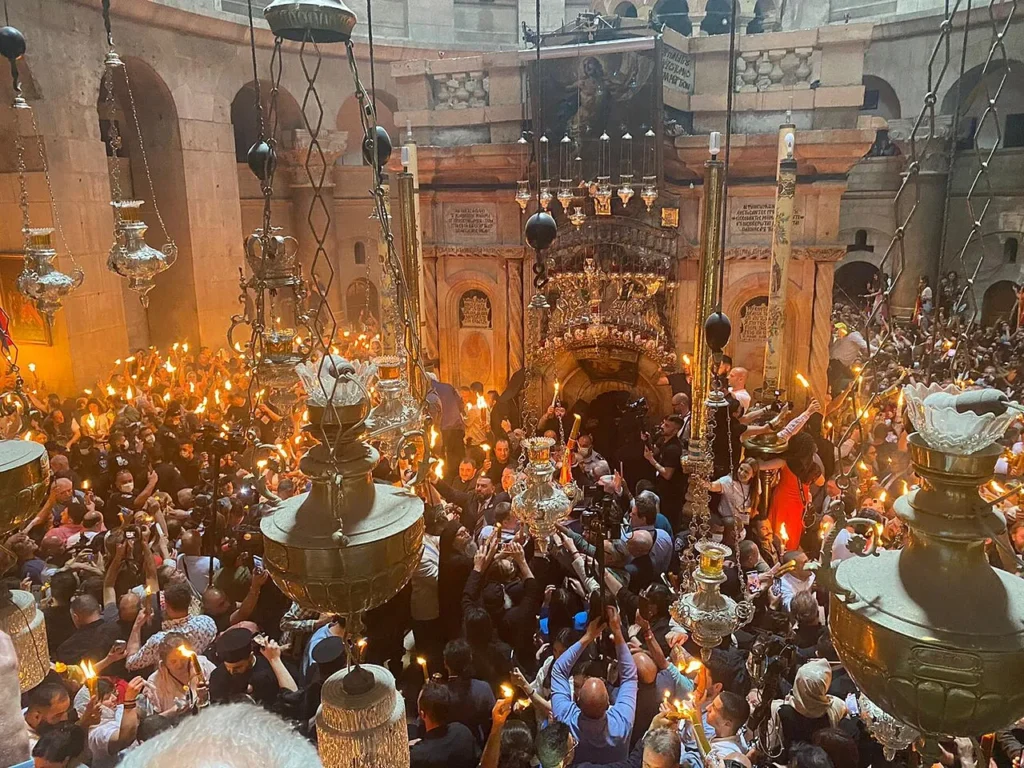
Let’s leave aside the question of whether this miracle is real or not. If we remove emotions and look at it through a historical lens, we will see not a unique phenomenon, but a ritual built from ancient codes that humanity has been repeating for thousands of years. The Holy Fire, whose non-man-made nature has been questioned more than once even by representatives of the Orthodox Church, is a careful reconstruction of ancient traditions from Mithraism, Zoroastrianism, Greek antiquity, and the Middle East.
Let’s break down what it is actually made of.
Light from stone is a story much older than Christianity. In the iconography of Mithraism, the god Mithra is born from a rock with a torch in his hand. This is not just a myth. It is an ancient formula: light emerges from a closed, dead space. Now look at the Edicule: rock, a closed chamber, and fire is born from inside it. A coincidence?
In 2016, during the opening of the tomb, a real ancient limestone burial bed was found under the marble covering. Even the material basis of the ritual speaks the same language: rock, depth, darkness, and the light of fire as a symbol of renewed life.
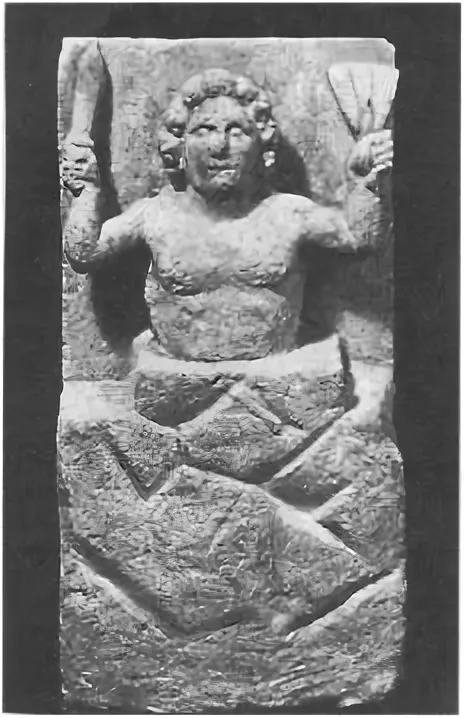
Fire as a divine manifestation is also a very common theme. In Zoroastrianism, fire (Atar) is not a symbol. It is the presence of the divine in its pure form. And here again we see a key idea that has survived for thousands of years: sacred fire is not lit by humans, but appears by the will of heaven. This is the logic behind the expectation of the miraculous descent of the fire, not its ignition.
Fire as a sign of the presence of God, his “signature,” a clear proof that a prayer has been heard, often appears in the Old Testament tradition. This means that the structure of such a miracle was known in the region long before Christianity.
Resetting the world through darkness is another ritual known at least since antiquity. In ancient Greek and Roman “new fire” rituals, the old flame was extinguished throughout the city so that a pure one could then be lit from a sacred center, the “navel of the earth.” Here we see an ancient cosmological model: first total darkness and chaos, then a sudden flash, light, and the restoration of order.
In Jerusalem, essentially the same thing happens. Before the ritual, there is complete darkness in the church. Then a flash, divine light, and collective joy. This is the same scenario that is more than a thousand years old.
And by the way, at the entrance to the Edicule there is also a stone vessel called the “navel of the Earth,” marking the center of the world. This means that, ritually, the action takes place at the same point where ancient people sought the center of existence.
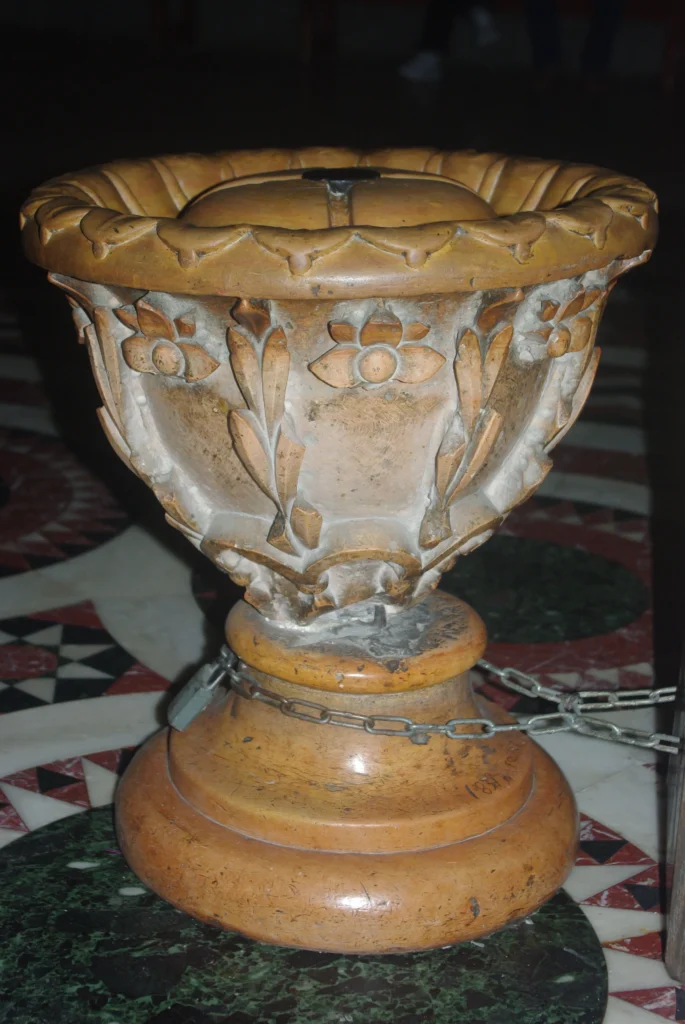
Photo from Wikipedia
This entire multilayered structure of symbols shows that the human need for an annual “reset” of the entire cosmos is far stronger than any dogma. The sacred decorations may change, but the architecture of meanings remains the same: ancient, pagan, and eternal. Beyond the reach of changing religions and paradigms.
What do you think? Should religion acknowledge the historical roots of its rituals, or does that weaken their power? Join the discussion on our Instagram.
Text by Yulia Zemtsova
Cover photo from Wikipedia